Last weekend, I took my very first bánh chưng class at Alma Backyards in Compton with my friend Rie McClenny, hosted by the Bánh Chưng Collective, to celebrate the Lunar New Year. Until now, I’d never eaten bánh chưng—let alone tried making it.
If you’re unfamiliar, it’s a Vietnamese steamed rice cake filled with sticky rice, mung beans, and a generous slice of fatty pork, all wrapped into a neat little parcel using banana leaves. The wrapping is meditative. The tying? Absolutely terrifying. Releasing the bundle from the mold felt like letting go of a newborn. I was convinced the whole thing would collapse the second I loosened my grip.
Thanks to some very patient, very wise instructors, nothing fell apart—and I somehow walked away with four little cakes. I brought them home and steamed them in my electric pressure cooker, which felt like a small personal triumph.
Elsewhere on the internet, the algorithm decided I needed to learn about a tiny baby monkey in Japan named Panchi-kun. He was abandoned at birth, given an IKEA monkey for comfort, and initially rejected by the rest of the troop. I don’t know if I’m so invested because he reminds me of my own cat, Drogy (also abandoned, also tiny but a little terror), or because I am deeply susceptible to cute animals with backstories. I adore him and want nothing but success for his tiny monkey life.
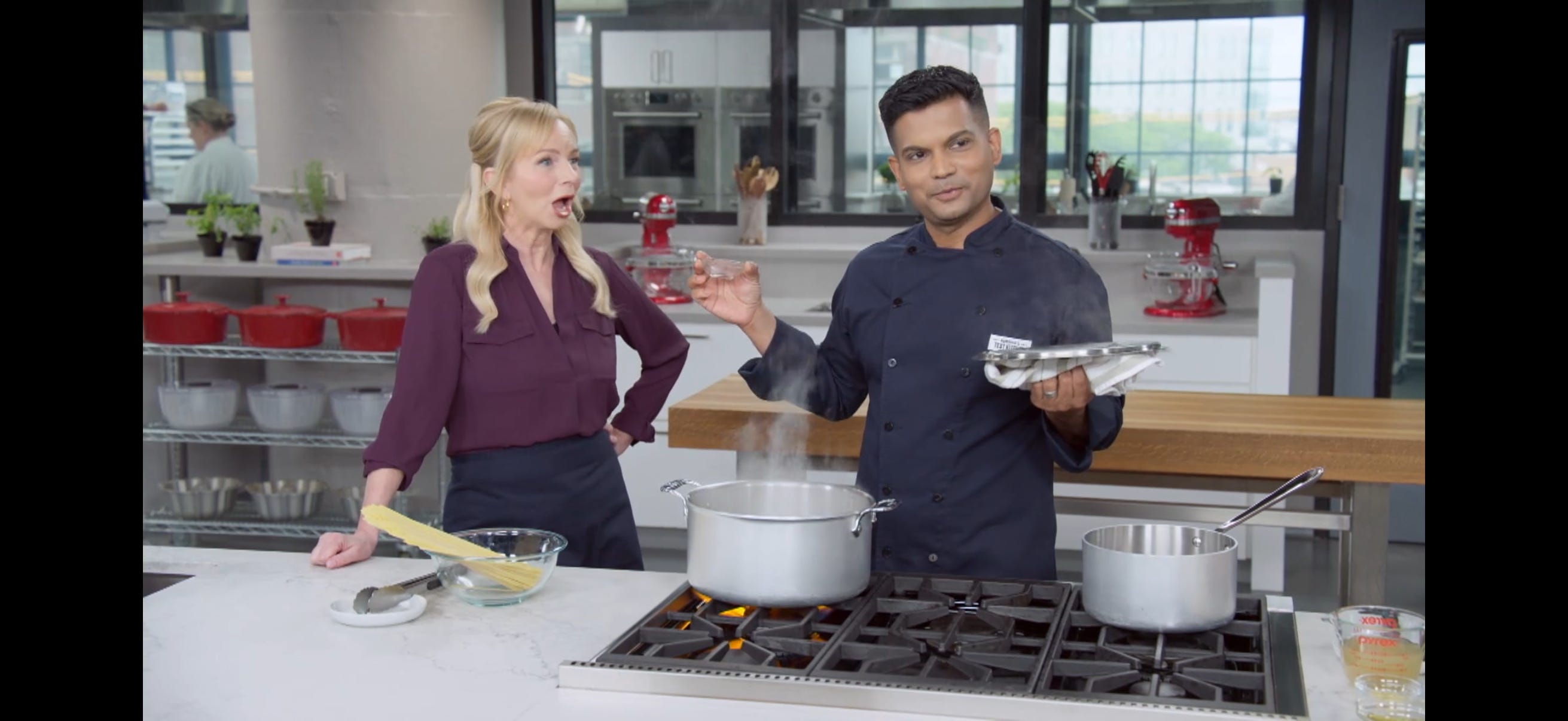
While I am not, sadly, a viral internet sensation like Panchi-kun, I did have a pretty special moment of my own last weekend: I made my debut on America’s Test Kitchen’s flagship show with Bridget Lancaster on PBS. A true full-circle moment for me. If you missed the episode, you can watch it online—though if you’re outside the U.S., you may need to get a little creative with a VPN.
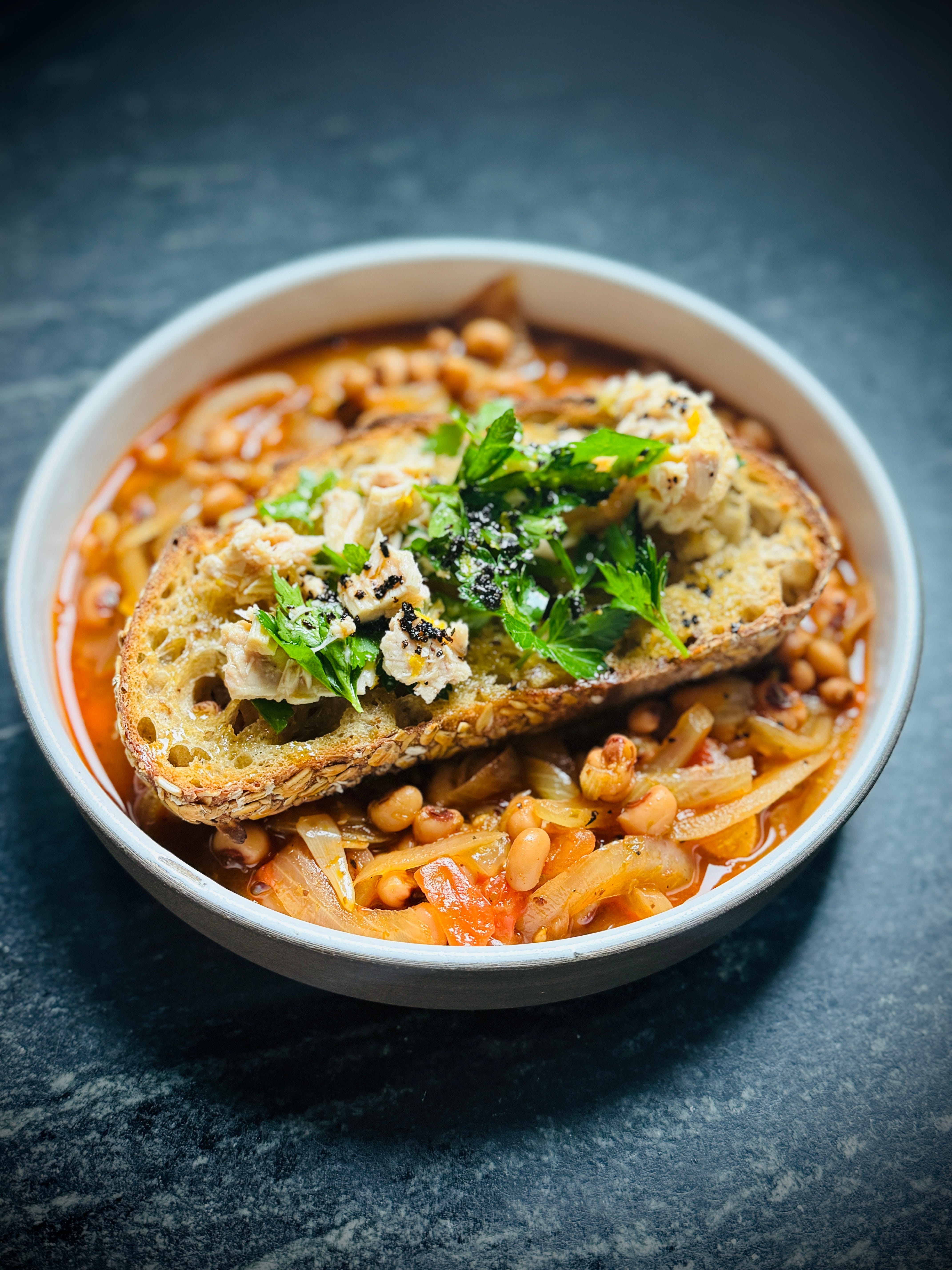
This week’s recipe is what I jokingly call “a pantry meal that doesn’t taste like cat food.” (I say this with love—and with canned tuna.)
We start with black-eyed peas. Garlic and onion are sautéed until sweet, then chopped tomato, smoked paprika, and Urfa pepper firmly move things into grown-up dinner territory. A splash of sherry vinegar snaps everything awake just when it needs it.
The beans get spooned under crunchy sourdough toast, which does an excellent job of making this feel intentional. On top, olive-oil-packed tuna is tossed with lemon zest and parsley—rich, bright, and very much not for the cat. A final drizzle of good olive oil and another pinch of Urfa pepper, and pantry cooking suddenly feels deliberate, confident, and worthy of a plate.
The recipe is available on America’s Test Kitchen and is free to access.
I love seeing you share your excitement! America’s Test Kitchen makes several recipes from the residency available for free. You might need to enter your email so they can send you more great content, but you can always opt out at any time. I’ve been a longtime subscriber to their newsletters and have found them super valuable. I hope that helps clarify how to access these co-created recipes—we put a lot of love into them, and I’d love for you to check them out! I appreciate your support!
Happy cooking—and if you also find yourself emotionally invested in obscure internet animals, know that you’re not alone.
The Meaning of Life, these days, it’s a pretty loaded topic. Watching life unfold, it’s hard not to wonder why people do things to each other. Unless I’m missing something, we’re all in this together and it seems in everybody’s best interest to try to make things work, which is how recipes are: You take a bunch of disparate ingredients, mix them all together, and the result is better than the sum of its parts.
Most baking books follow a familiar pattern—a mix of baking tips, recipes, and in some cases, headnotes before the recipes, and chapter openings that explain the recipes and give some background about them. (Except in France, where recipes don’t have headnotes, which may be true elsewhere?)
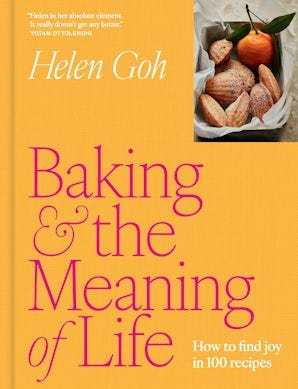
Helen Goh is a trained psychologist who became a baker and pastry chef, and in addition to being one of the principal recipe developers for Yotam Ottolenghi, co-authored the books Sweet and Comfort with him. Helen has talked about the way baking has helped her manage her anxiety - and unlike other anti-anxiety prescriptions, baking has no unpleasant side effects. Others know her as the creator of what’s been dubbed the World’s Best Chocolate Cake…
That, and over a hundred other recipes, are in Baking & the Meaning of Life: How to find joy in 100 recipes, a book about sharing, giving, and receiving. I’ve got my eye on the Favorite Orange Cake (page 159) made with whole oranges and topped with a dreamy-looking, zesty orange icing, an airy Pandan & Coconut Chiffon Cake (page 185), and Crisp & Chewy Chocolate Chip Cookies (page 70).
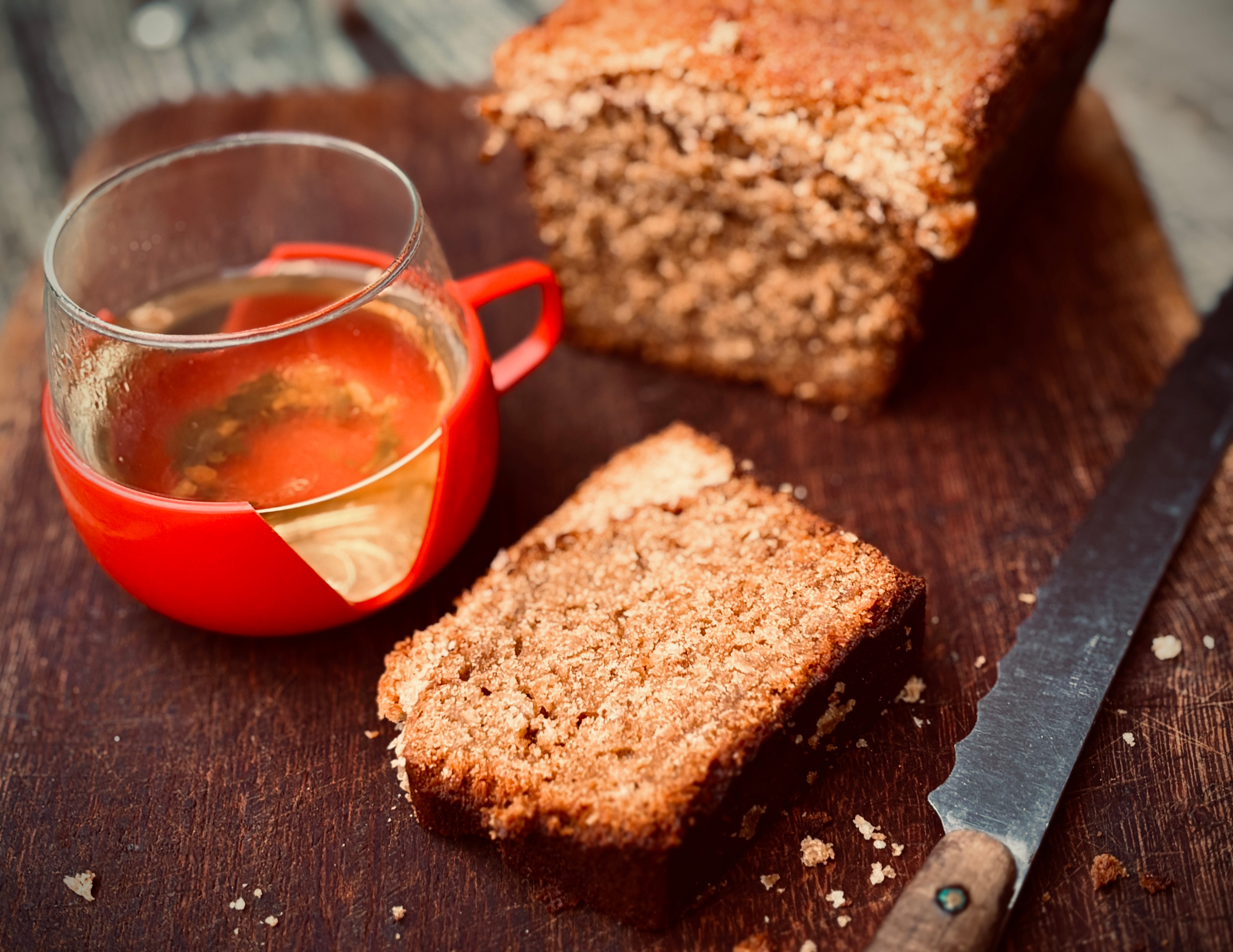
The book also prompted me to make Helen’s Anzac Cake, which appeared in a newspaper a number of years ago, and I never got around to making it. Topped with the flavors of Anzac Biscuits—coconut, oatmeal, and golden syrup—how could one not?
Helen’s Anzac Cake
As readers may have read in a recent newsletter (Feb 2026), I’ve been on a tear, cleaning out my freezers and kitchen cabinets…
I’m pretty sure that’s another anti-anxiety activity that doesn’t have any bad side effects, except maybe some guilt that you’ve let so many things get ignored or pushed back to the rear of your cabinets.
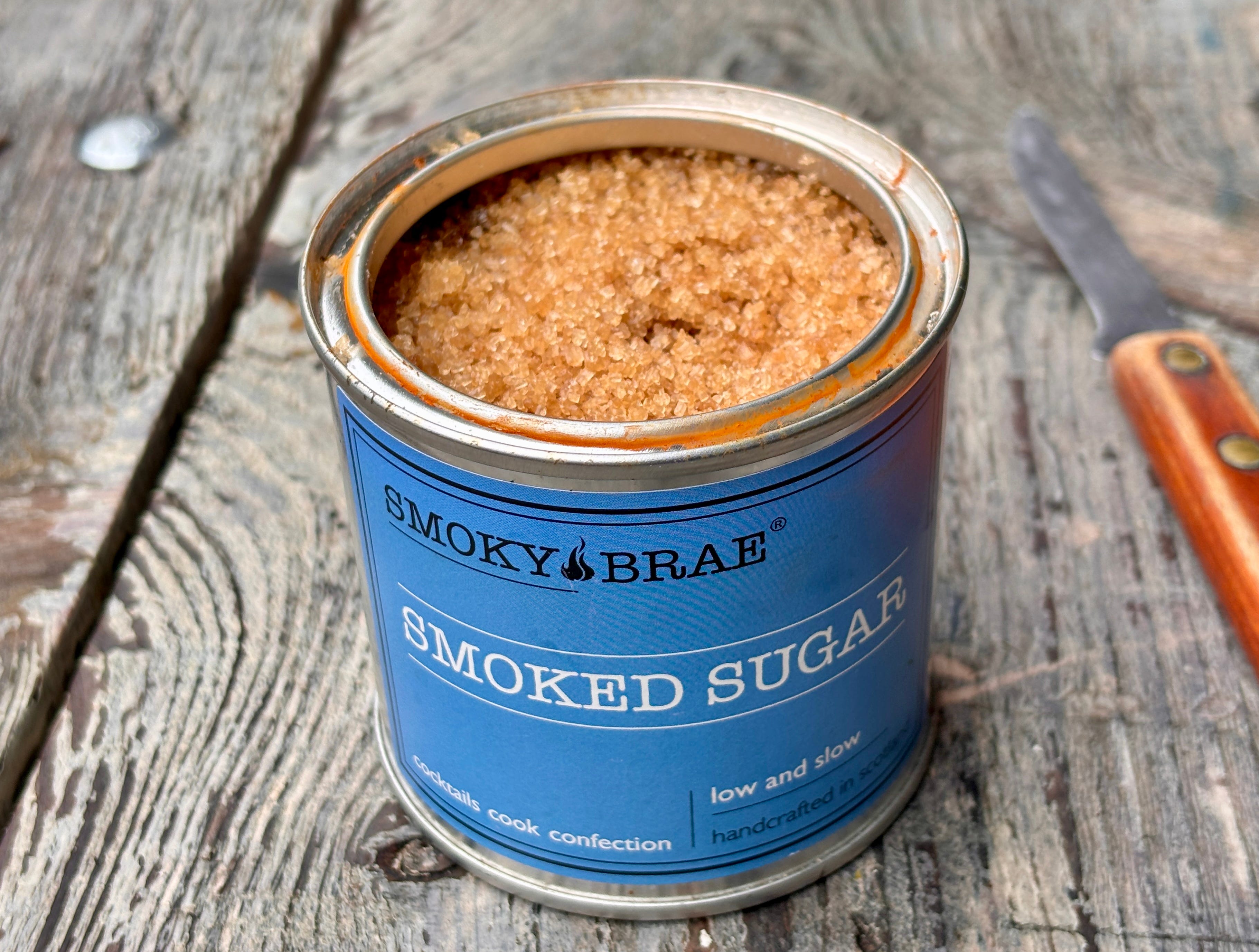
Back there, I found all sorts of odds and ends that I’d amassed over the last few years, including this smoked sugar I bought in Scotland. At the time, I wrote about it - “How could I not?” Then it languished in my kitchen cabinet for a couple of years before I finally found a place to use it.
In addition to everything from Sicilian pistachio paste to salsa negra in my cabinets, I’ve also got a problem with preserving things. I just can’t let anything go to waste. (If anyone knows what I can make with a quart jar of pickled samphire, let me know!)
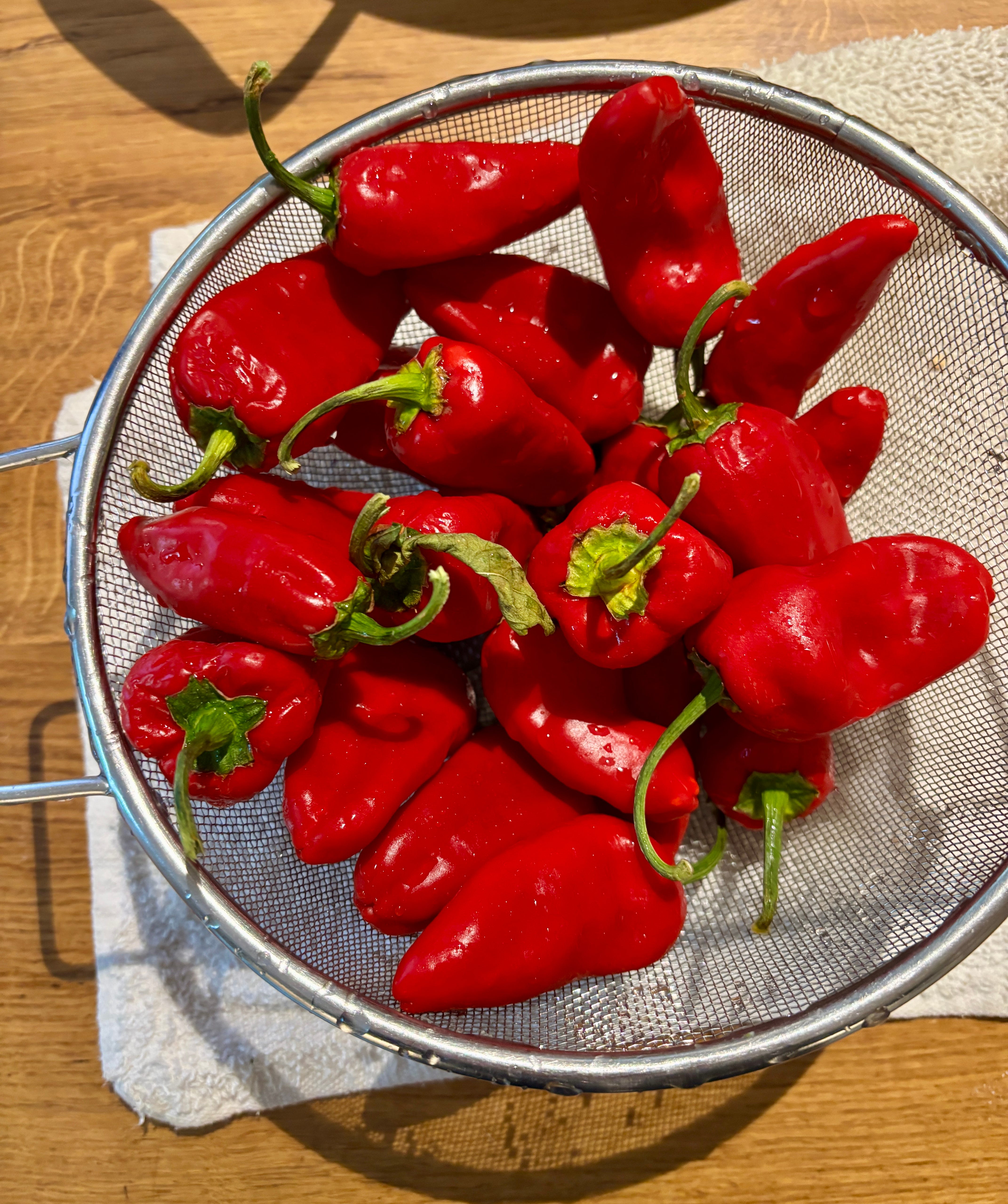
Often in the summer we’ll head to the south of France and this year, the woman who runs the farm stand in the village had a wooden crate filled with chile peppers. Almost everything else was sold out by the time we got there. Her produce is beautiful and it’s popular, but you need to have patience because once it’s someone’s turn, they need to spend some quality time catching up with her :) So you can’t be in a hurry.
While most of the other crates were empty when we got there a bit too late one morning, it looked like no one had touched the chiles. When I expressed interest, she put them all in a paper bag and gave them to me.
Score!
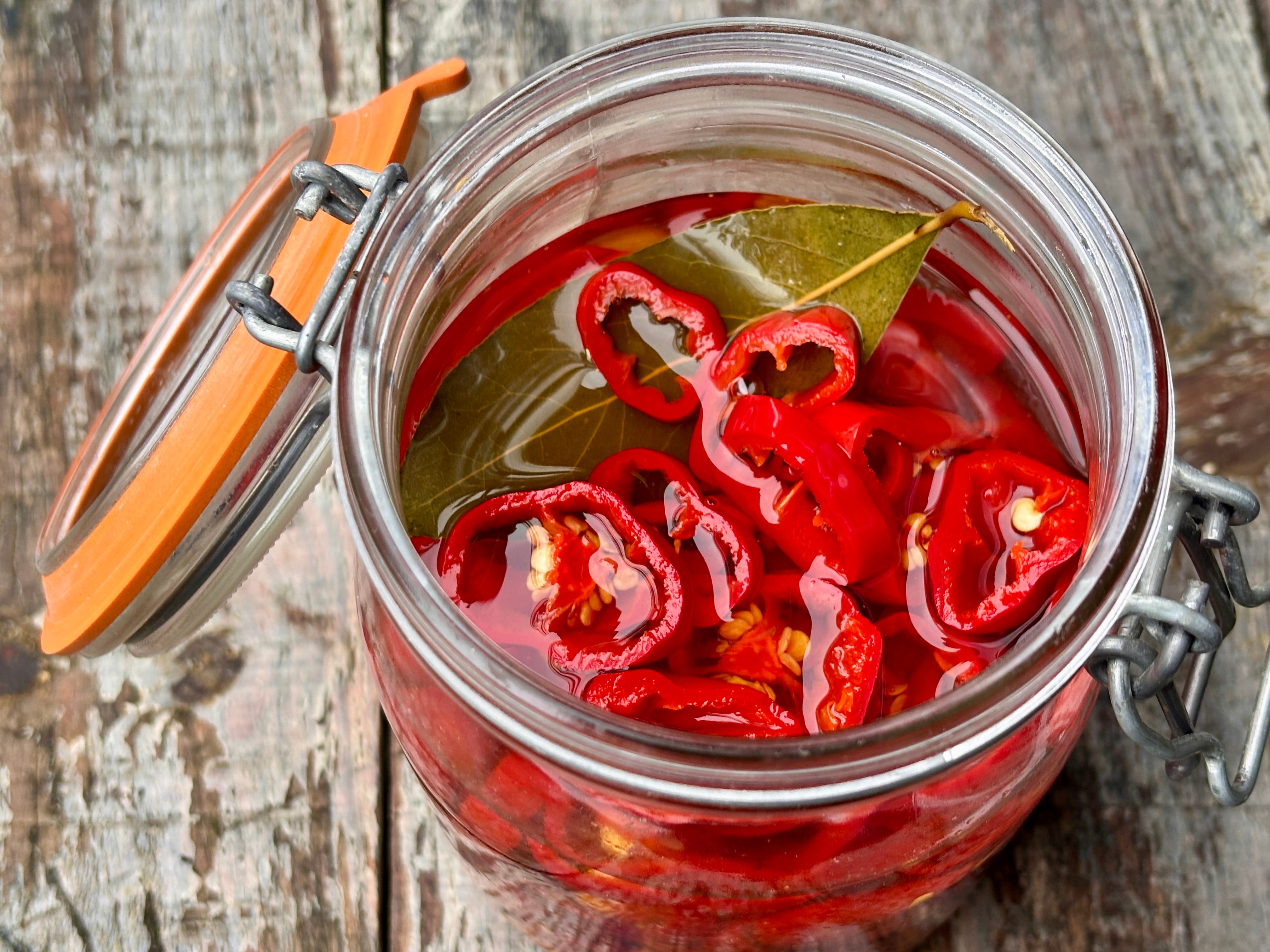
There were so many that I ended up pickling them, using my pickled jalapeño recipe, minus the carrots, red onions, and dried oregano.
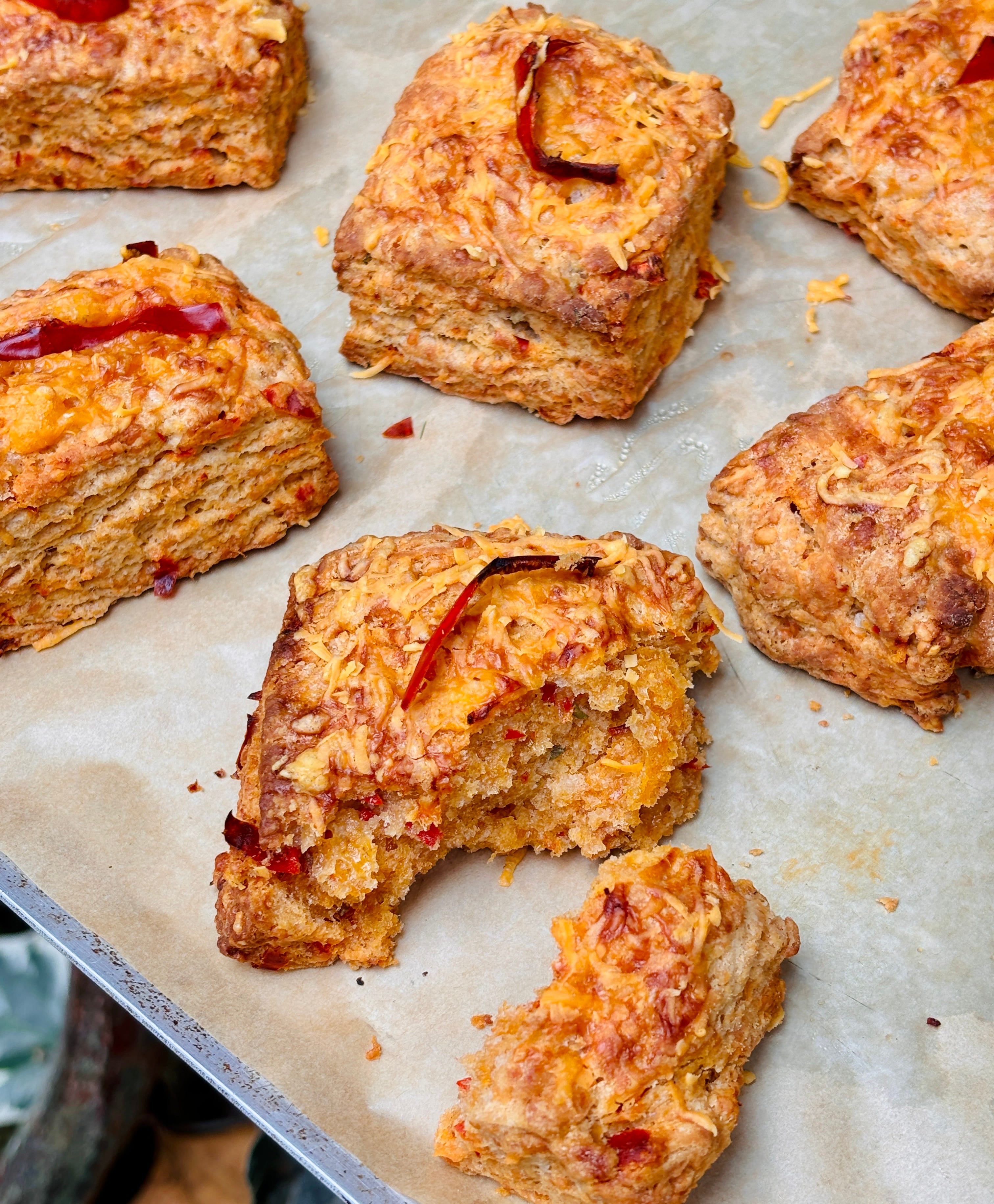
The jar of pickled peppers has been in my refrigerator for a few months, and when I spotted a recipe in Helen’s book for Pickled Jalapeño & Cheddar Scones, I realize that this was their destiny. The recipe called for a generous amount of pickled chiles, and her recipe had come to the right place. (I also used that smoked sugar here, too.)
Living in France, I often have to modify recipes for what we can get here. I was emailing with a friend who wrote a Thai cookbook and mentioned how important substitutions are, when possible, because you want your recipes to be accessible to as many people as possible (or at least I do), while still preserving the basic integrity of them.
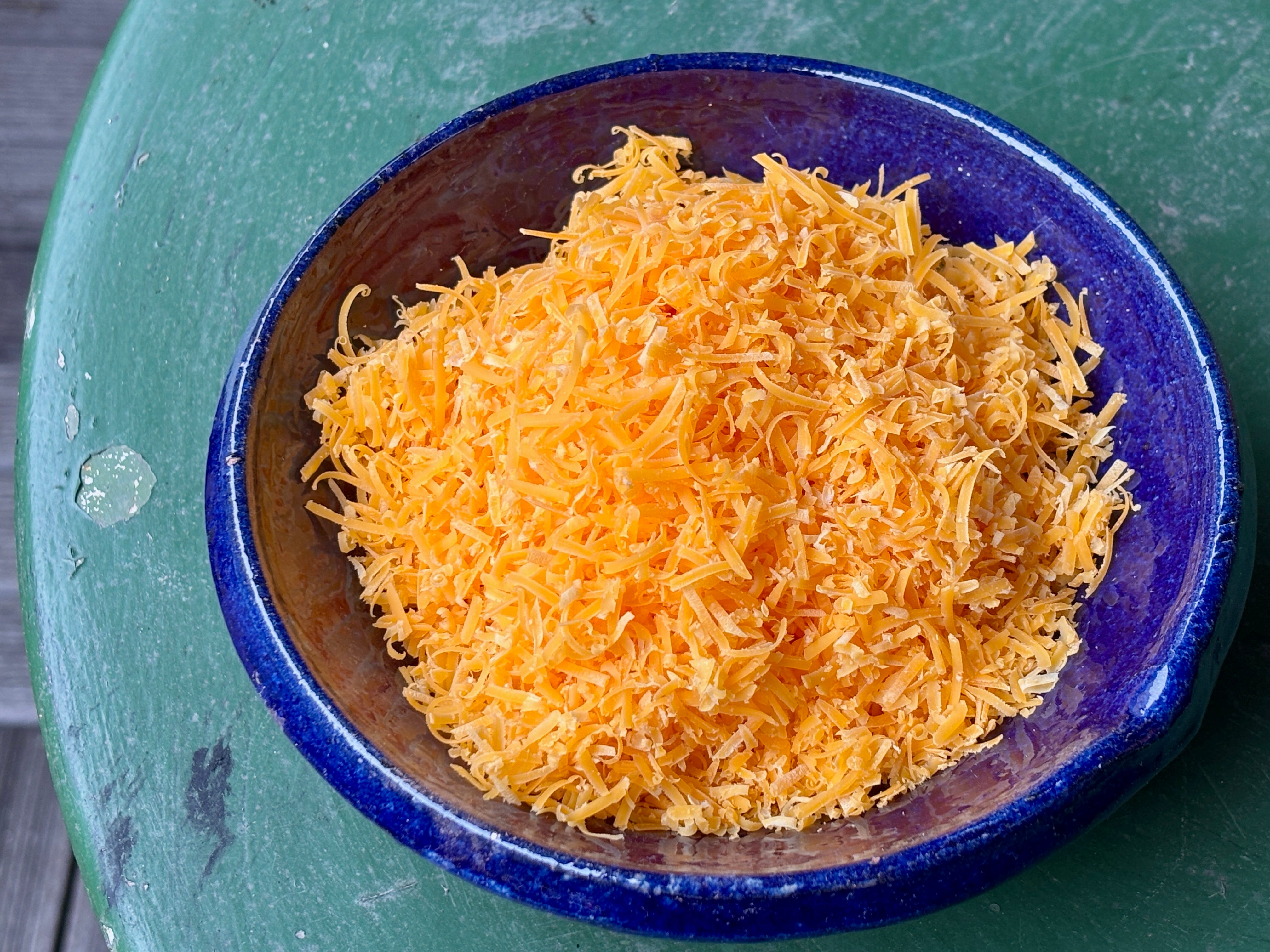
The original recipe called for cheddar, but I decided to keep it French, since I was using French-grown chiles, and grated some mimolette, a cheese that was briefly banned in the U.S. but is now available.
As Helen notes, these scones are close to American biscuits, and let me tell you, they were soooo good. Even before baking, when I was mixing and rolling the dough, they already smelled amazing.
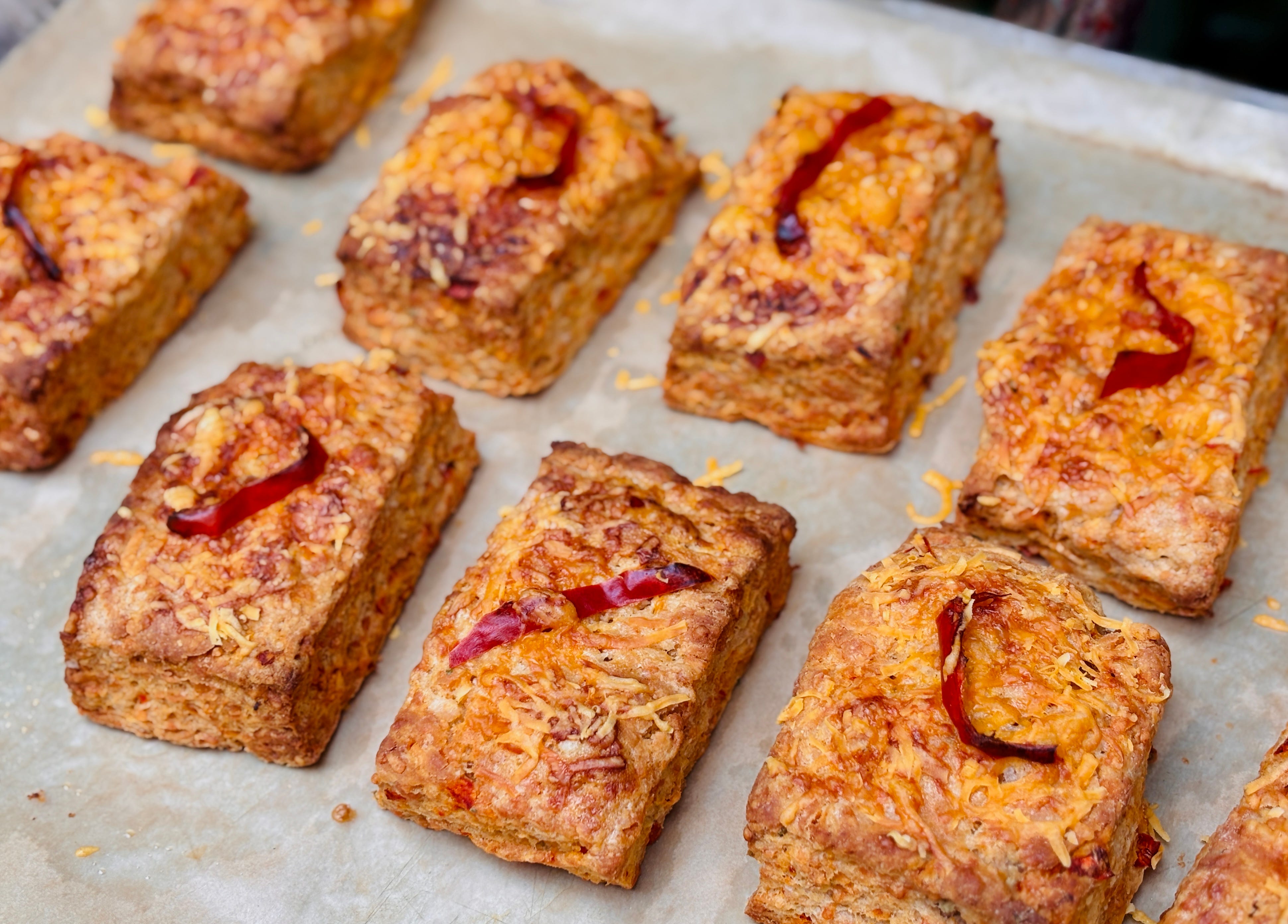
And after I baked them, the taste blew me away. They were spicy and cheesy and crispy and flaky. It was hard to resist breaking into one right when they came out of the oven because my kitchen smelled so good. Letting them cool slightly allows the cheese to firm up a bit, but they are absolutely heavenly eaten warm.
I’m sure there’s a snappier way of ending this post, but you’ll have to excuse me. I’ve got some biscuits to eat…
1 teaspoon flaky sea salt or 3/4 teaspoon fine salt
1 clove garlic, grated or finely chopped
1/2 teaspoon dried oregano
6 tablespoons (85g/3oz) cold unsalted butter
5 tablespoons (70ml) whole milk
1/3 cup (75g) plain full-fat yogurt, plus 1 additional tablespoon for brushing the tops
4 ounces (115g) grated cheddar or mimolette cheese, divided
1 1/2 ounces (50g) drained weight, pickled jalapeños, blotted dry with a paper towel and finely chopped (you’ll have about 3 tablespoons of chopped chiles), plus 10 slices of pickled chiles
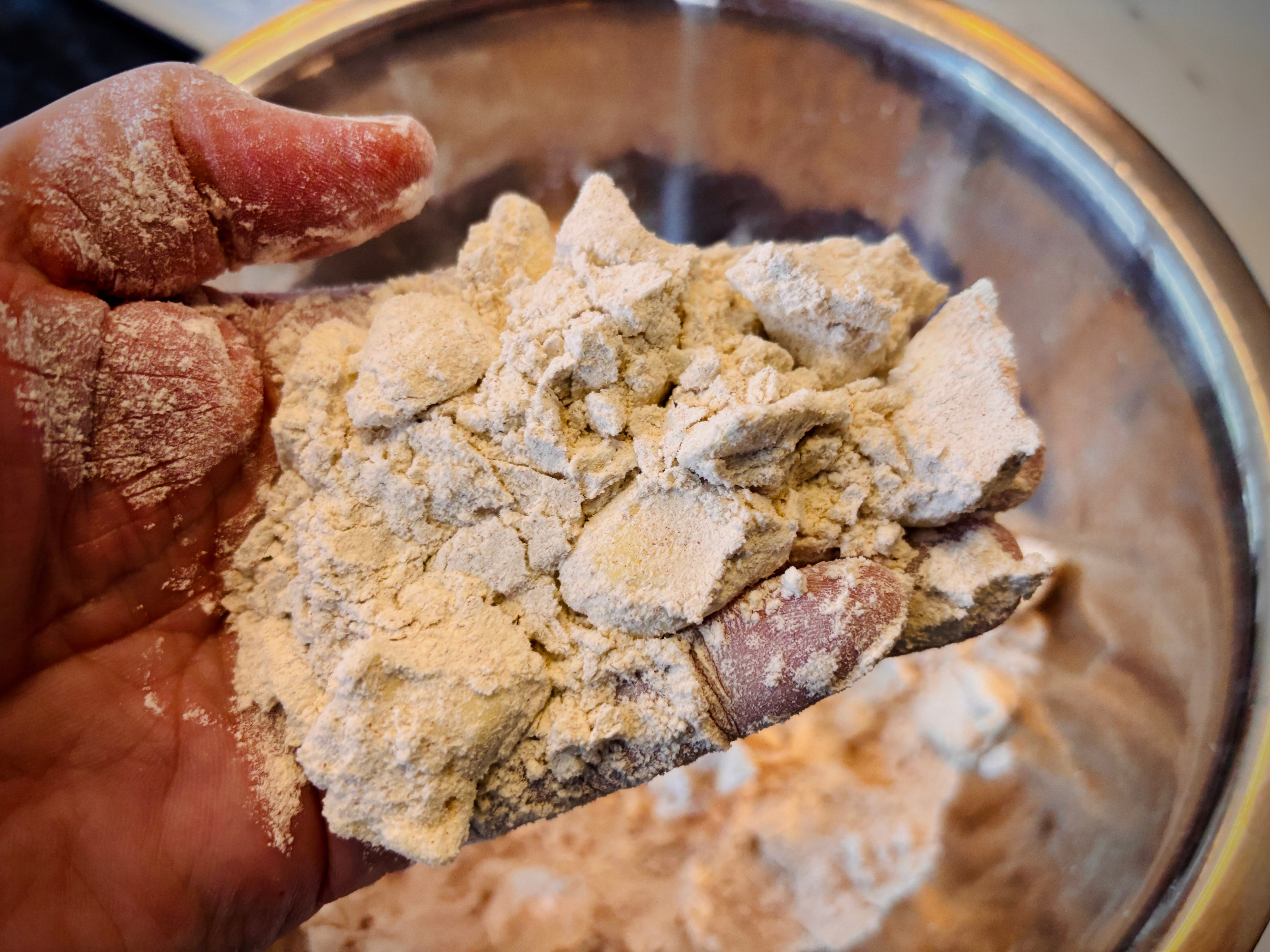
Whisk together the flour, baking powder, baking soda, paprika, sugar, salt, garlic, and oregano in a medium bowl. Put the cold butter between two pieces of parchment paper (or plastic wrap) and whack it with a rolling pin until it’s about as thick as your thumb. Unwrap it and rip the butter into pieces, tossing them in the flour mixture. Using your fingers, smoosh the butter into rough 1/2-inch (2cm) flakes.
Don’t overmix the dough. You want visible flakes and chunks of butter in there.
Refrigerate the bowl of ingredients for 30 minutes.
To assemble and bake the scones, preheat the oven to 400ºF (200ºC) and line a baking sheet with parchment paper. Remove the flour mixture from the refrigerator. Add the milk and yogurt, stir a few times with a flexible spatula, then add three-quarters of the cheese and the chopped chiles. Sprinkle the countertop lightly with flour.
Stir everything together until the dough starts coming together, then use your hands to gather the dough into a more-or-less cohesive mass. Transfer the dough to the countertop and shape it into a rough rectangle. Note: The dough will smell really good at this point.
Using a pastry scraper or chef’s knife, cut the dough into three rectangles (see the photos in the post). Pile the rectangles on top of each other, then press them down, forming a rectangle. Repeat the process, patting the dough into a rectangle, cutting it into thirds, piling them on top of each other, and pressing them down again into a rectangle.
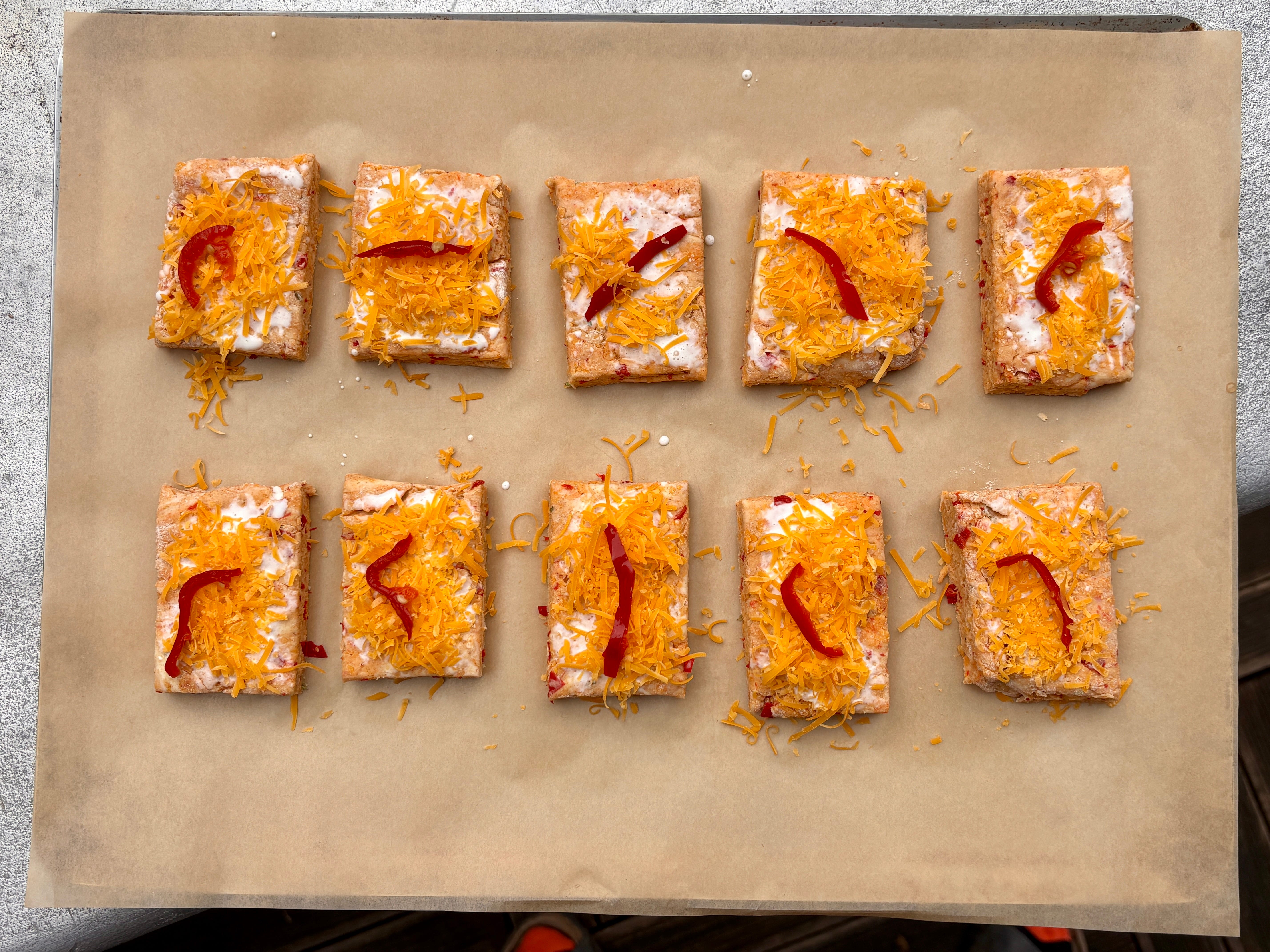
With a rolling pin, roll the dough into a long rectangle measuring 10 x 4 inches (24 x 10cm). Cut the dough lengthwise in half, then cut it vertically, creating ten individual rectangular scones. (You could trim the outside edges of the rectangle to straighten them out before cutting the dough, if you want the scones neater. If you do that, gather the scraps together into a small mound and bake that alongside the scones, which’ll be a baker’s snack.) Place the unbaked scones evenly spaced apart on the baking sheet. Brush the top of each with a little yogurt, then top each with grated cheese and a thin slice of chile pepper.
Bake until deep golden brown, 18 to 20 minutes, but start checking them a few minutes before.* They’re done when they’re browned across the top and up the sides, and feel almost fully baked when you press the tops.
Serving: The scones are delicious on their own, or split in half and buttered. They would also be great for breakfast, served with scrambled eggs. You could cut them smaller (and reduce the baking time) to serve as appetizers.
Storage: The scones are best the day they’re made. They can be stored in an airtight container overnight at room temperature.
*My oven has a silly (and annoying) feature: When you open the door to check something, the oven turns itself off unless you remember to press the "Start” button again. Whoever came up with that idea never developed or tested recipes. I’m now hyper-vigilant about it, since I’ve had to redo recipes while testing them.
I forgot to turn it back on while baking these but luckily I remembered less than a minute after I checked on them. Helen’s book says to bake the scones for 20 minutes, but you can check them a few minutes before. (And if you have the same oven that I do, don’t forget to turn it back on!)
Today’s Sunday Special dispatch is short because the real meat of what I have for you is elsewhere.
First, although I’m not one to praise Whole Foods much, I did notice at my local store that there’s still Lunar New Year signage for “fortune foods” like whole fish at the seafood counter. The store is still running sales on Chinese, Korean, and Vietnamese condiments — soy sauce, gochujang, and fish sauce, for instance. So, in the spirit of continuing the party, at my website, I assembled 25 recipes to help you further usher in the Year of the Fire Horse. Extend the holiday because that’s what Asian people traditionally do!
If you have a Vietnamese banh chung and don’t know what to do with it, I’ve got you covered with a primer and video! Ditto on pickles, noodles, sweets, and other foods to go along with the must-have Tet sticky rice cake (below, top left and center). Or if you just want to cook up a pan-Asian feast to celebrate the new year, the recipes will give you plenty of options. Head to 25 Recipes for Pan-Asian Lunar New Year Menus.
Second, I created a PTFS recipe index for you to more easily explore and find what you need. The index is one of my 2026 ,Year of the Horse goals!
The index includes all the exclusive PTFS recipes for paid subscribers as well as ones that are available for everyone. Since this newsletter started in September 2022, it has fostered a collection of about 150 recipes — the size of two modest cookbooks or one big one!
None of this would have happened if it wasn’t for your enthusiasm for Asian cuisines and cultures and my approach to them. Thank you! In particular, we wouldn’t have this robust, hardworking collection of recipes and audiovisual how-tos without paid subscribers pitching in. Seriously.
Before this newsletter, I thought my food writing career meant I had to deeply bow to the SEO algorithm gods in perpetuity. Pass the Fish Sauce liberated me and I thank you all for your kindness.
Now head over to the NEW RECIPE INDEX and start looking and cooking around.
Hey there, if you’d like to check out the newsletter recipe archive via an index, you’re at the right place. This listing of over 150 recipes covers the first three years of the newsletter from its inception in late 2022. You’ll find PTFS exclusives and free recipes in the newsletter and on my website.
The recipes are grouped in broad categories but are not listed in alphabetical order within the categories. I’ve done my best to cross list them but this is not a professionally done index.
How to use this index
You have 3 basic options: Browse the entire list from top to bottom, use the search function on your computer (⌘ + F on a Mac; Ctrl + F on a PC) to look for specific terms, or click on a link below to jump to particular categories.

 Login
Login