Normal view

Received — 28 December 2025 Pass the Fish Sauce

How pâté chaud, an obsolete French hand pie, endures in Vietnamese culture

28 December 2025 at 15:44

Hello there!

Happy Holidays and then some. I hope you’ve not had to spend too much time returning gifts to the store. I’m skipping the upcoming Midweek Gems because we’ll be traveling. Happy early 2026!

But folks, we’re still in 2025, which marks the 50th anniversary of when my family left Vietnam. For that reason, certain foods are top of mind. I’ve been thinking a lot about pâté chaud, a puff pastry snack that has a long history in Vietnam and with my family.

In Vietnamese, we call these treats bánh patê sô — not too far off from the French pâté chaud. I’d like to close out the year with the iconic favorite because it’s a great lens for viewing the modern Vietnamese experience.
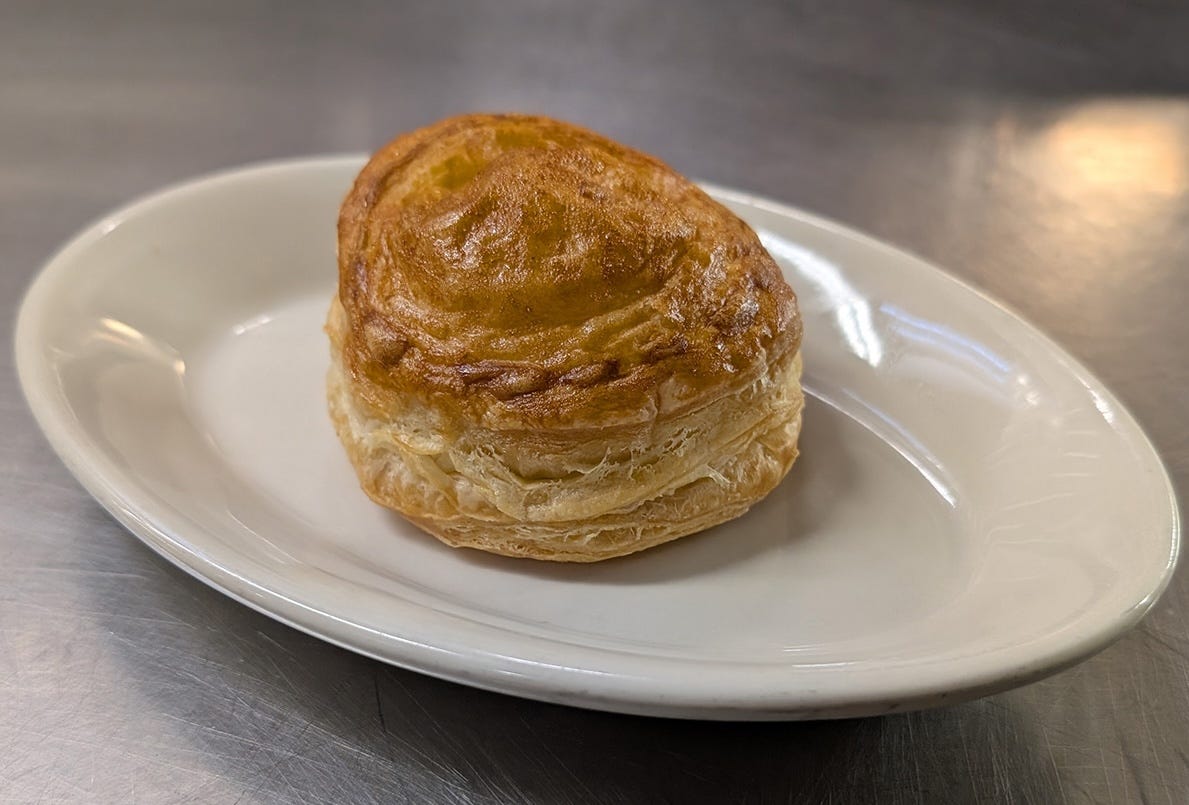
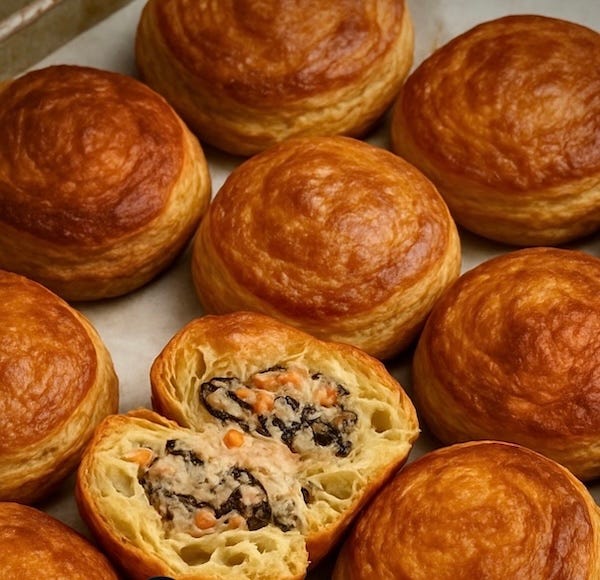
Pâté chaud — just imagine the rich, crispiness!

I’ve been researching their history and working on new recipes for them. However, I am not yet satisfied with what I’ve got, despite having baked through three boxes of pastry dough! And the history of the pastries themselves turns out to be more interesting than I had initially thought.

So, I’m going to share what I’ve found out about pâté chaud in this dispatch plus where to buy them. In a couple weeks, when we’re back from vacation and I’ve had a chance to do another round of testing, I’ll share the recipes so you can make your own versions.

January 11, 2026 UPDATE » My Pate Chaud recipe is now available!

My family fled Saigon in April 1975 with few material possessions, but we did bring many food memories with us. One of them was of patê chaud, savory puff pastry hand pies filled with a country-style pâté or meatloaflike mixture. Involving culinary skill plus butter and wheat flour, bánh patê sô were considered a luxe breakfast item in Vietnam, to be enjoyed hot to showcase their crispy pastry shell. The literal meaning of pâté chaud is “hot pastry pie”.
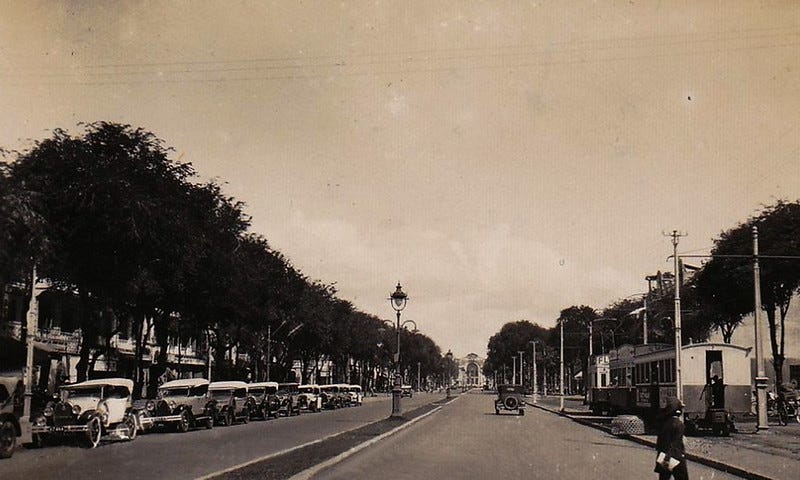
1930s Saigon

Typical Saigon residents went out for them at fancy French-style bakeries, like Givral, which made all-butter puff pastry. Lesser versions relied upon margarine, my mom recalls. Founded by Frenchman Alain Portier, the bakery called Givral opened in 1950 across the way from the Continental Hotel made famous in the Graham Greene novel, The Quiet American. However, bánh patê sô had been in Saigon since around 1930, prepared by clever cooks and entrepreneurs such as Mrs. Pham Thi Truoc, who had a shop specializing in the pastries.
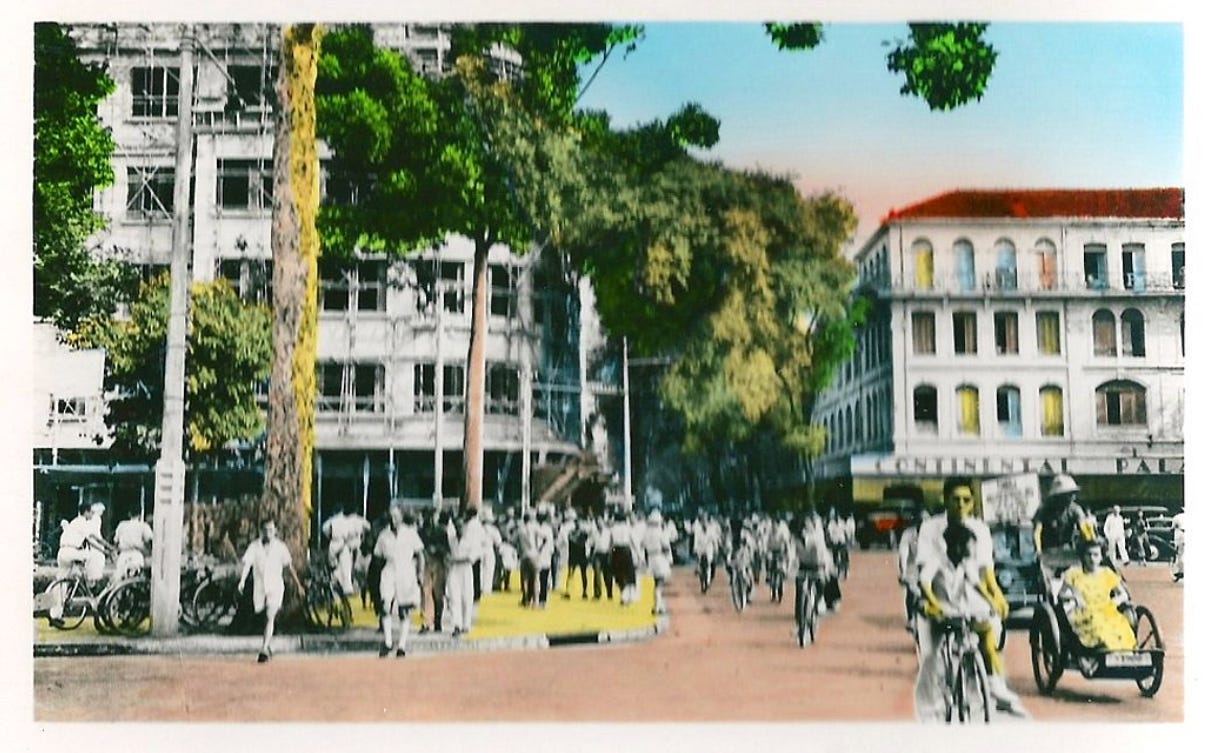
Near the Opera House in Saigon, this postcard image shows the Continental Hotel on the right. Givral bakery is across the street in the curved corner building on the left.

By the time my mother migrated to Saigon from northern Vietnam in 1954, a result of the Geneva Accords that split the country into two, Givral was the place to purchase French pastries and baked goods like patê chaud, cream puffs, eclairs and yule logs. Vietnamese people who opted to go southward felt that North Vietnam was conservative and limiting. South Vietnam was freewheeling, liberal and full of new ideas and foods.

Subscribe now

Pâté chaud is mostly a Saigon specialty. I’ve never spotted it in the northern city of Hanoi or central city of Hue when I visited there. In the early 1960s, Mom, her girlfriends and even my cousin, Bich Tu (who was a teenager then), were rolling out puff pastry dough at home. Butter was expensive and you had to source good wheat flour with enough gluten, my mom said.

Puff pastry needs a relatively cold environment for the dough to behave and develop the hundreds of layers of laminated dough. I have no idea how cooks in tropical Saigon, where the weather is either hot or hotter with humidity, could patiently make pate feuilletée (puff pastry in French). But they were able to do so because they were curious, determined cooks.

Our family arrived at Camp Pendelton Marine Base in Southern California in May 1975 and the temperature was likely in the low 70s. Mom said that the dry, moderate climate was dreamy; she missed her father and sisters but didn’t miss the weather. She had her notebook of recipes, one of her prized possessions that came with us when we left Vietnam. But it didn’t contain a recipe for bánh patê sô.

Soon after we settled into our new home in San Clemente, my mom began to make puff pastry from scratch and baking up dome-shaped bánh patê sô. She knew the recipe by heart and relied upon Julia Child’s Mastering the Art of French Cooking for technical guidance.

As a result, as an elementary school kid, I ate pa tê sô for breakfast, reheated in a toaster oven until the exterior was crisp and the interior was blazing hot! There was liquor in her beef and pork filling so the first bite often gave me a whiff of alcohol. I’d gobble it up and go off to school, oblivious to how different that breakfast was to what my peers had eaten. I also didn’t realize how unusual it was for a home cook like my mom to make puff pastry over and over again.

But that’s what Vietnamese people are like – obsessively working to polish a skill, to mimic and master a foreign notion, and to make it their own.
Curious cooks, readers, and eaters fuel Pass the Fish Sauce. For the full low-down on pâté chaud history, where to buy them, and soon, how to make them, become a paid subscriber! You’ll gain all that information, 100+ recipes, and sponsor my work. This content takes days to develop and I appreciate your support at any level. Your generosity matters. A LOT.

Read more

Received — 25 December 2025 Pass the Fish Sauce

season's greetings

25 December 2025 at 15:29

I hope you are enjoying a wonderful day wherever you are, however you are celebrating life and all its blessings. Thank you for being here.

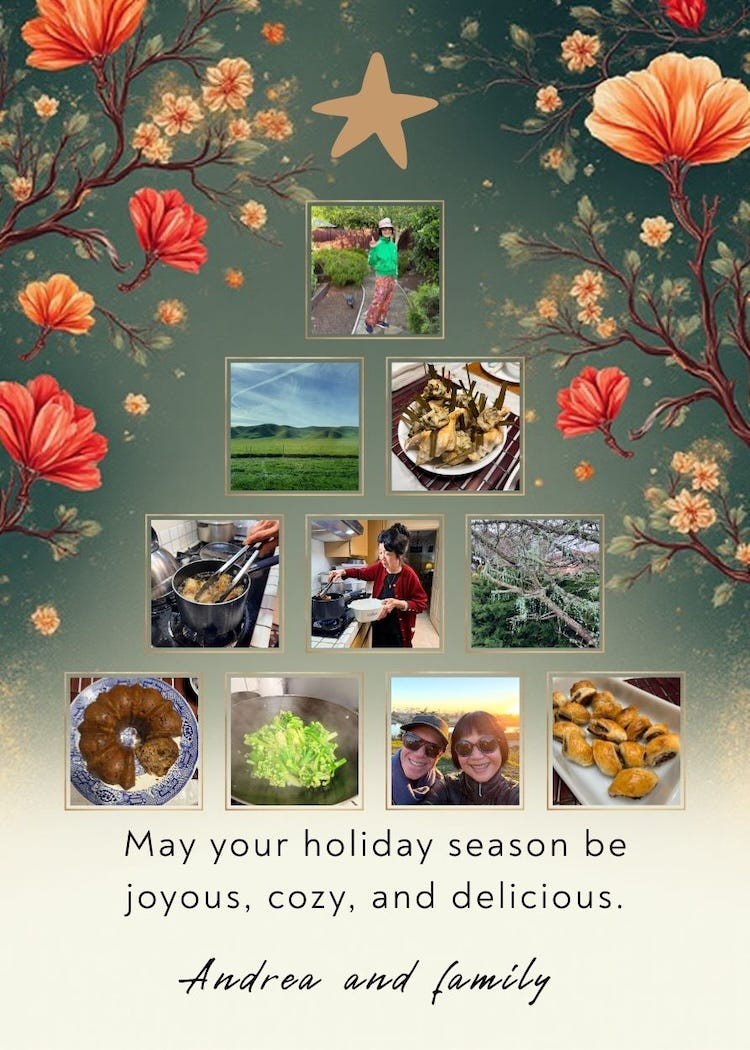
My 2025 e-card contains snapshots of scenes from this week, including my mom’s welcome home dinner for Rory and me. She served us stuffed whelk (ốc nhồi) with lemongrass and ginger sauce and fried imperial rolls (chả giò). It was wonderful to enjoy such a relaxing feast after a day of driving and negotiating holiday traffic.

I took over from there to give Mom a rest, though she’s always willing to be my sous chef. Cooking together is very special for my mother and me.

What was on our Christmas Eve menu? Roast chicken with porcini butter, sticky rice and chestnut dressing, buttery chestnuts, roasted Okinawa sweet potato, stir-fried blooming cauliflower, chanterelle gravy, and of course, my homemade fruitcake (which has been marinating in liquor for over a month now!).

Things kicked off with my mini pâté chaud which is featured in the last photo on the bottom right. It’s my modern take on an iconic Viet-Franco snack. I’ve been playing around with it for years and my family and friends have been taste testing the latest vegetarian and meaty versions. Someone has to do it, or else I’d be as big as a house. Details coming on Sunday!

Received — 21 December 2025 Pass the Fish Sauce

Buttery Chestnuts and Red-Cooked Chestnut Chicken, two special recipes for cozy eating

21 December 2025 at 15:40

Hello everyone!

When we’re just a few days away from Christmas, there’s always heightened excitement but also anxiety. For me, it’s mostly food related because I want to make a memorable meal for my family. But I also want to make sure that we’ve got satisfying, tasty meals leading up to and after Christmas. All that requires a little planning and advance prep.

This year, I’m leaning hard into chestnuts because Rory and I have peeled a lot of them. Just last Friday night, we tackled scoring three pounds and then roasted and shelled half of them, went to bed, then took care of the rest on Saturday afternoon.

So that’s a total of five (5) pounds of chestnuts this season for me, the most I’ve ever prepped. I wouldn’t do it if was super hard but I also don’t expect you to commit to that many! I did it for practice and learning as much as for having chestnuts to eat.

New Chestnut Intel

I have a few new observations to report on the chestnut front.

What to use to score the nuts if you don’t have a bread knife? I dug up a small serrated paring knife from one of my drawers and found out that it’s just as good as the bread knife. Its tip is also fab for digging out the bits in the crevices. So if you have that kind of paring knife, it can do double duty.

How to get softer roasted nuts:? I tried a tip from and set a pot of just boiled water in the oven while the nuts roasted. The peeled chestnuts came out a little softer than without the water so that’s a terrific tip if you’re going to eat them as you peel them! Martin got the tip from a chestnut farmer who ought to know what’s what. Peeling was normal, with about ten percent initially being stubborn to peel. I’ve got more tips to deal with stubborn nuts in the chestnut peeling video, available at my website and further down in this dispatch.

Are chestnut knives worth it? The charming Opinel chestnut knife I purchased folds (in case you want to travel with it! ) has a chestnut wood handle. The short curved blade is easy to control for dealing with scraping the stubborn brown skin off the chestnut. The knife is designed for cutting the softer part of the shell, not the hard butt end.

With chestnuts in the freezer and fridge, I’ve prepared about half a dozen chestnut recipes in the past two weeks. In the process, I realized that they are a low effort, big payoff ingredient for several beautiful reasons:

  • Not many are required. You don’t need a ton of chestnuts to make a special tasting dish. Their unique sweet flavor and rich texture make a big impact on food.

  • They look and taste impressive. If you peel the nuts yourself, they’ll look extraordinary. Whoever that’s lucky enough to enjoy your cooking will appreciate your efforts but you will know that you didn’t have to exert too much effort. Each nut looks like tiny edible sculptures! Even when a nut falls apart during cooking it’s still cool looking and tasty.

  • Chestnut dishes are low stress. They mostly require simple cooking. I reckon that it’s because the nuts themselves offer a complex, appealing web of texture and flavor. You don’t need much to amp up their flavors and they’ll enhance companion ingredients in the dish. They’ll also satisfying tasting.

3 + 2 = 5 chestnut recipes

Those wondrous chestnutty qualities are present in the three dishes that I have presented to you, so far. From last Sunday, the Japanese sweet potato rice and Chinese braised chestnut and napa cabbage are two quickies that can be served together or with other dishes for knock out meals. You can grab those recipes and chestnut peeling pointers here.

Additionally, there was last year’s popular holiday dish — sticky rice, chestnut and shiitake dressing. I adored Rory’s aunt Helen for her oyster and bread dressing but I always saved room for my Nguyen family sticky rice dressing, which is now easier to achieve with a 45-minute microwave method for soaking and cooking the rice (the normal method takes hours of soaking alone plus a Chinese steamer setup). If you have not, try the sticky rice dressing recipe this year. It’s not a stressful project. I’m over that kind of holiday cooking.

This week, I’m adding two (2) more chestnuts recipes because four is an unlucky number in East Asian numerology (it sound like death to some people) and five (5) recipes makes a nice collection of chestnut recipes to add to your repertoire.

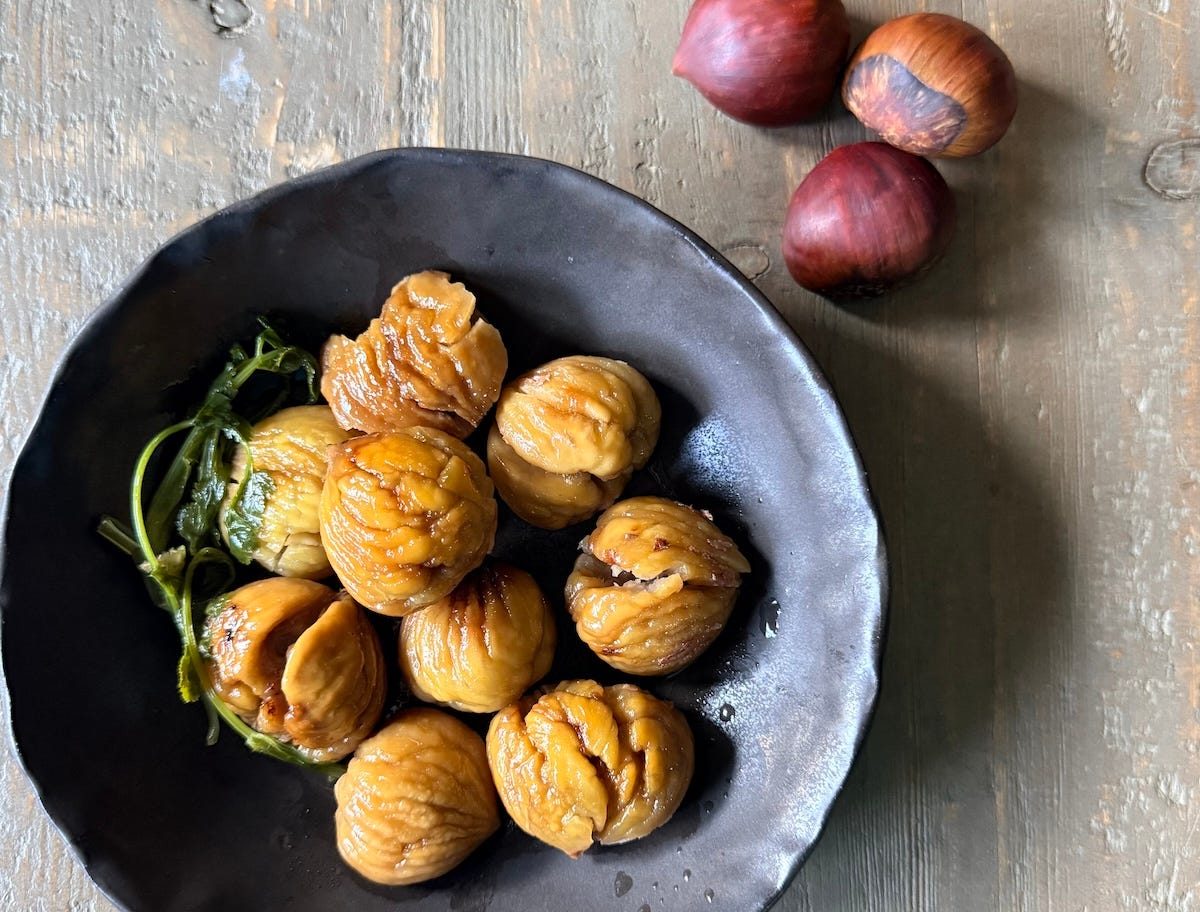
First up is a four-ingredient personal favorite — buttery chestnuts, which you can serve during the holidays as an indulgent-seeming elegant side dish or incorporate it into another dish to make it extraordinary. The recipe is low-key cooking and you can keep the chestnuts for days, if you can hold back from eating them ASAP!

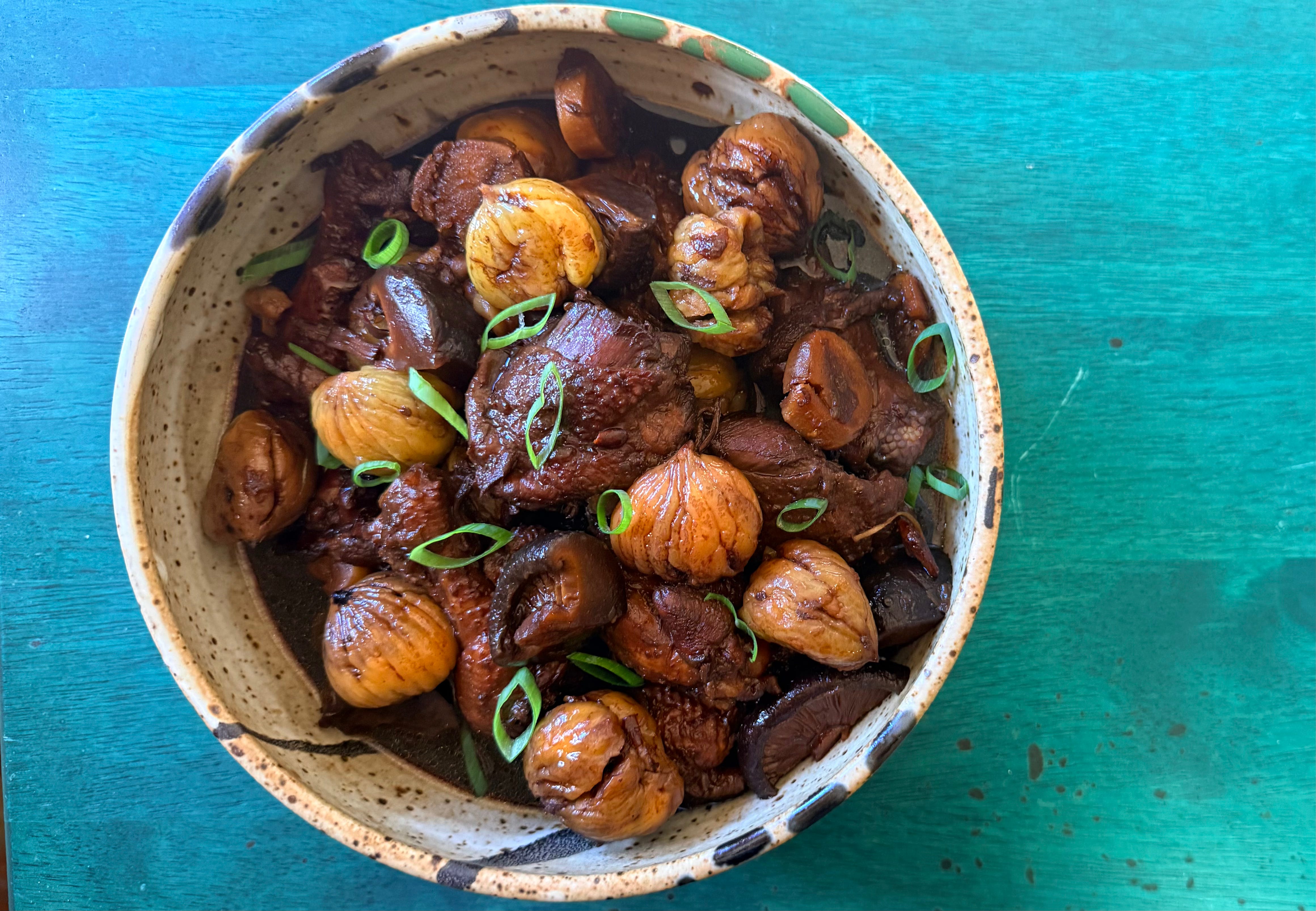
The other new recipe is Chinese red cooked chestnut chicken (Banli Shaoji, 板栗烧鸡). Red cooking refers to a braise that’s primarily seasoned with soy sauce so there’s a mahogany cast to the end result, which is considered homey fare but with the addition of chestnuts, the dish becomes rather luxe to me.

Savory-sweet with a touch of spice, red cooked chestnut chicken is typically associated with Shanghai. It’s similar to Vietnamese caramel sauce (kho) preparations like this coconutty one, but distinctively different — like cousins rather than siblings. The Chinese dish comes together in about 45 minutes, most of which is passive cooking. I tried it with different chicken parts to give you options for preparing banli shaoji with ease.

Cook up one or both dishes while it’s still chestnut season. Use nuts you roast and peel for best outcomes but if you don’t have time, use pre-peeled ones like Melissa brand. Below you’ll see the following:

  • Recipes in full text plus downloadable PDFs so you can file them away!

  • Sensible substitution suggestions so you can tailor these dishes to your needs.

  • Tips for using commercially sold, pre-peeled chestnuts.

  • Ingredient pointers so you may better understand dark soy sauce, a key ingredient in East Asian cooking and red cooked dishes. Which works best? How to substitute for it if you don’t have it or don’t want to shop for it?

  • Process shots and tips to help you butcher the chicken well if you want to cook old school style.

I’m ready to cook, how about you?

When I launched PTFS three years ago, I thought I’d hear crickets. Who would be interested in connecting the culinary and cultural dots between East and West in offbeat ways? Many of you have stepped up to generously support this endeavor and I thank you for your kindness. If you have not, pitch in and join us as a paid subscriber. You’ll gain access to the full PTFS recipe archives, seed future content, and get class discounts when they resume in 2026. I welcome your involvement at all levels.

Read more

❌