Most 10-year-olds in the kitchen are just there to sneak a taste of cookie dough. But for Terrence Gutiérrez, that early curiosity turned into something more. Somewhere between watching his mom bake and helping with the mixing, he started falling in love with the whole process—the precision, the care, the transformation that happens in the oven. Now, nearly two decades later, that spark has become his full-time job.
If you’ve ever stumbled upon one of Terrence’s videos on TikTok or Instagram—soft-spoken, smiling, effortlessly walking you through homemade Pop-Tarts or a simple snacking cake—you know the vibe. The lighting is warm, the instructions are clear, and the energy? Incredibly comforting. His corner of the internet feels like the opposite of intimidating pastry perfection. It’s playful, practical, and quietly confident.
The 4th of July is right around the corner—and if you're planning a backyard barbecue, beach picnic, or just looking for a reason to fire up the grill, we’ve got you covered with recipes for every kind of celebration.
This roundup of 70 festive dishes covers all the bases: juicy burgers, vegetarian BBQ recipes, classic potato salad, red-white-and-blue desserts, and even a few big-batch cocktail recipes to keep the drinks flowing. Whether you're looking for a patriotic cake, no-fuss grilling recipes, or something a little unexpected (spiralized hot dogs, anyone?), you’ll find the makings of a very good holiday menu right here.
You’ve seen the red-and-white checkered tablecloth before, but now’d your chance to do something different. This summer, swap the standard cookout vibes for something more curated. With styled-to-a-T tabletops and menus that take their cue from around the world, these combinations prove that outdoor entertaining can be both easygoing and elevated.
Lean into easy elegance with a clean, minimalist setup. Think white linens, unfussy wildflowers, and natural wood accents that feel both grounded and elevated. Pair the look with equally refreshing dishes, like lemon-dill gravlax and a Scandinavian summer strawberry tart, that channel the cool, unfussy spirit of a Nordic summer.
Welcome to Like a Local, our series where travelers share their ideal long weekends. This time, Tessa shows how to do Sonoma—wine, food, and fun—with kids in tow.
Sonoma, affectionately known by locals as "Slow-noma," offers a charming, laid-back pace that’s perfect for a relaxing weekend trip. While Wine Country isn’t typically known as a family destination, after spending time there with two toddlers, I’ve realized that Sonoma is a place people of all ages can (and should) enjoy. It’s one of our home bases when we visit the U.S., and a spot we never tire of exploring. Though Sonoma is a small town of roughly 11,000, it offers renowned food and wine while remaining down-to-earth and unpretentious.
Welcome to Forkcast—our weekly meal plan with five recipes, a grocery list, and tips to keep dinner easy. This week’s lineup comes from Lee Anthony, a pro meal prepper and busy mom who knows how to make weeknight meals work for the whole family.
After a long day, my daughters often ask, “What’s for dinner, Mom? We want something tasty but that won’t take too long because we are hungry!”
Tabbouleh fans, have you tried making it with quinoa? This recipe is a fun variation on classic tabbouleh made with quinoa instead of bulgur wheat. It turns our favorite Lebanese salad into a gluten-free dish. The quinoa is fluffy and has a somewhat nutty taste, but overall, the flavor profile is quite similar.
Since I already changed one primary ingredient, I took the liberty of adding some chickpeas and feta cheese, more ingredients that you would not expect to find in tabbouleh. They’re entirely optional and absolutely delicious. They make the salad more hearty; if you use both, it could qualify as a light meal on its own.
This herbaceous salad is so refreshing on a warm day. It features fresh parsley and mint, tomato and cucumber, olive oil, lemon juice, garlic, and quinoa. The proportions remain true to the traditional recipe, so it contains more parsley than quinoa, and the lemon packs a punch. I think you’ll love it.
Welcome to Sunday Reset, where we share how we’re unwinding and what we have planned for the week ahead. This time, New Jersey–based cook and creator Peter Beckwermert (@petey_cooks) makes the case for a taco-filled Fourth of July.
Tradition says the Fourth of July is to be spent grilling and enjoying one (or five) adult beverages near a large body of water. For the most part, my celebration is no different, except for what comes off the grill. Please don’t take this as slander against the classic burgers-and-dogs menu (I assure you, I love both). But can we agree that, as far as Fourth of July fare goes, that duo has been done? If you ask me, three flavor-packed tacos is the new “burger and a dog.”
Welcome to The Flavor Files (New and Improved)! Thanks for being a loyal subscriber to my work. Your support means a lot, and I recently shared a survey to make sure I’m providing you more of what you crave! Thanks for all the responses, suggestions, and comments! I’m making a few tweaks to my Substack going forward, based on this, and I wanted to share what you can expect.
If you are a free subscriber:
At least 2 new recipes a month
More “weeknight meals” with quick recipes
More vegetables!
More of the “science behind food”, ingredients, techniques, etc.
If you are a paid subscriber:
All free subscriber content
At least one additional monthly recipe, with a focus on flavor inventiveness
In-depth video demos (recipes, techniques, ingredient deep dives, science!)
Access to past Substack recipes
Pre-public and exclusive access to events, classes, and new books
Newsletters (for now) will continue to be released on Sundays, featuring both free and paid content every other week. If you are a free subscriber, don’t fret! You’ll also get a preview of the new paid content, so you can decide what’s best for you. I appreciate everyone’s support, regardless of subscriber level!
Need my latest cookbook,Veg-Table, in your kitchen? Grab a copy here—your veggies will thank you. 🌱💥
Now let’s get into the good stuff. 🔥 This month will be all about TANDOORI!
The Flavor Files is a reader-supported publication. To receive new posts and support my work, consider becoming a free or paid subscriber.
Before we jump into tandoori food, next weekend is the long July 4th holiday, and I’ve got my curated list of recipes for you right here! It’s time to plan your ultimate summer menu! This roundup is packed with easy and crowd-pleasing 4th of July recipes—think grilled hot dogs with all the fixings, fresh and colorful summer salads, backyard-style pizzas, and homemade ice cream that’ll cool everyone down. Whether you’re hosting a party or heading to a potluck, these festive July 4th dishes are guaranteed to bring the flavor and keep your guests happy from the first bite to the fireworks.
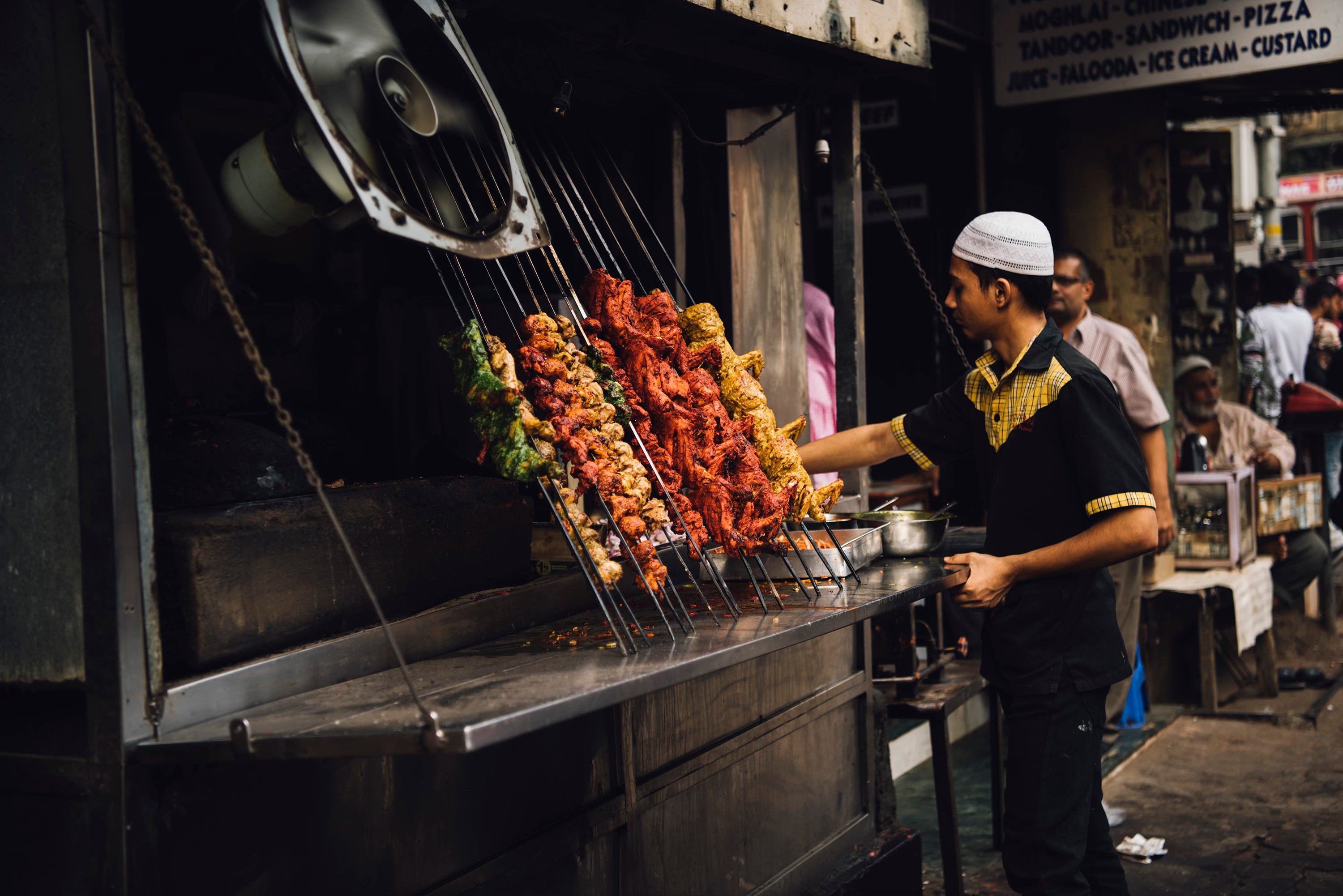
Kebab Stall in South Bombay, India/ Season Chronicle Books (2018) (C) Nik Sharma
🔥 Fire, Flavor, and Fermentation: The Magic of Tandoori Cooking
I have many fond memories of slipping out late at night with my friends to sneak to the southern tip of Bombay (Mumbai) in India, just to eat kebabs and naan at the famous Bademiya. They served all the North Indian and tandoori dishes we loved, as well as dishes we never had at home, from creamy, tangy butter chicken to spicy chapli and seekh kebabs and caramelized, succulent paneer on skewers, which we enjoyed with fresh, hot naan. It was a joy! And I was young enough to do this a few times a week. It was one of the most rebellious things I did as a kid because I never divulged the details of these trips at home.
Over the next few weeks, we’ll delve into the world of tandoori cuisine, exploring its origins, techniques, and flavors, and even prepare a few dishes together along the way.
There are several reasons why tandoori dishes, such as naan, aren’t prepared at home even in India. Naan is not a daily Indian bread made at home; skillet-prepared rotis and parathas are. The most common reason for this is that a tandoor, the clay oven used to make naan, is large and impractical to keep at home. In India, most people (like we did) will go to a restaurant, and if they’re fortunate to have outdoor space, will hire a chef to haul in a portable tandoor and make it in their backyard.
Tandoori cooking isn't just for chicken. Lamb, fish, shrimp, vegetables, paneer, and even breads like naan and a special version of roti called tandoori roti are prepared in this oven. When most people hear tandoori, they think tandoori chicken—bright red, smoky, served on a sizzling platter. But the technique behind it goes far deeper than a marinade or color. Tandoori cooking is one of the oldest and most flavorful high-heat cooking methods around, and it’s worth knowing for more than just its restaurant fame. Interestingly, while we associate it with North Indian and Pakistani cuisines, this oven has a rich history.
Tandoors date back to ancient civilizations, including the Indus Valley, where communal ovens were often dug into the ground. The word tandoor likely comes from the Persian tanūr, meaning fire oven.
While tandoors have been used for centuries across South and Central Asia, modern tandoori cooking, as we know it today, was popularized in post-Partition Delhi in the 1940s by Punjabi restaurateurs, who brought the technique from cities like Peshawar and Lahore, now in Pakistan. In India, Kundan Lal Gujral, who opened Moti Mahal in Delhi, is credited with popularizing dishes that we know today, including butter chicken (murgh makhani), dal makhani (butter lentils), and tandoori chicken.
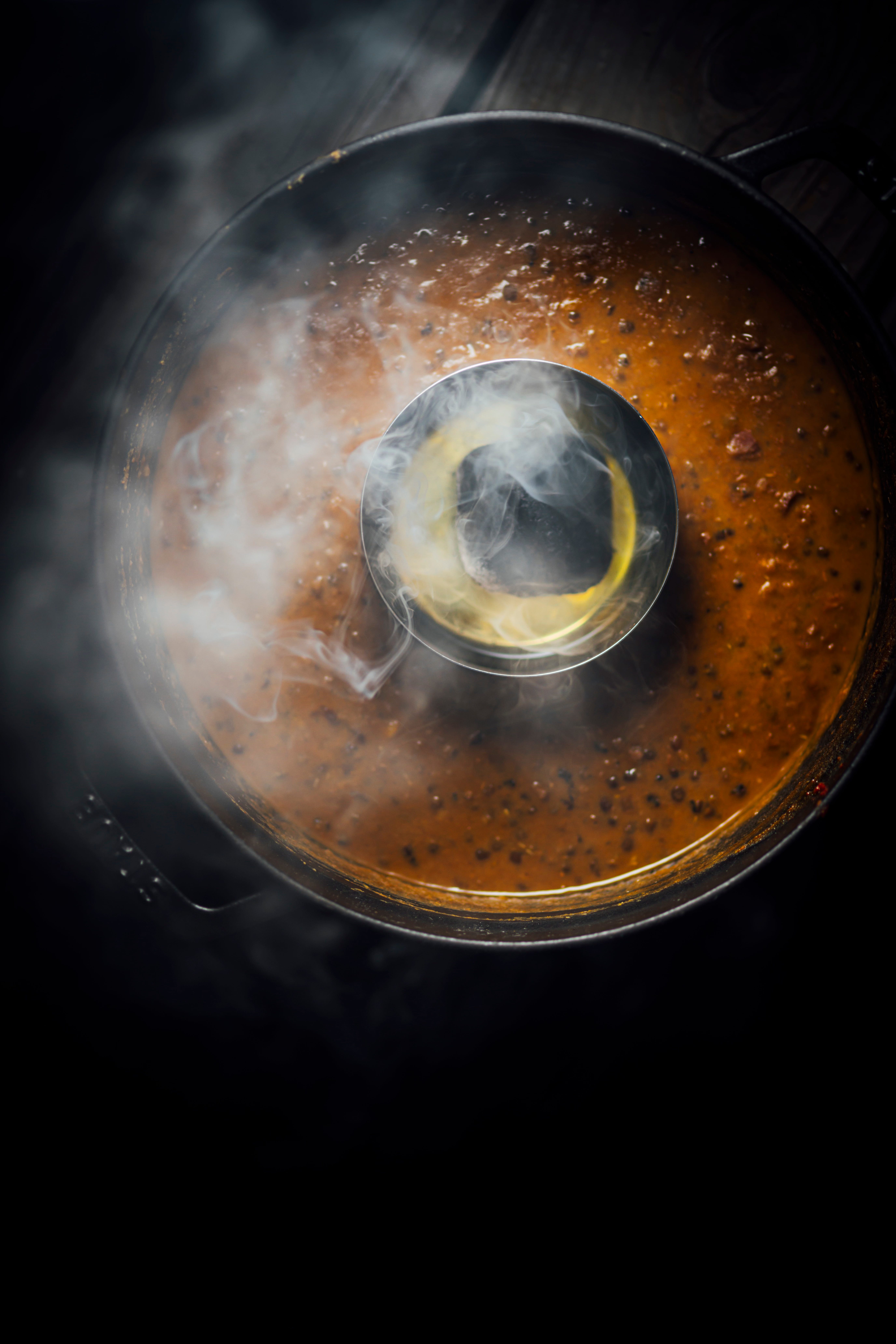
Dal Makhani from The Flavor Equation/Chronicle Books 2020 (C) Nik Sharma
🪵 What Is Tandoori Cooking, Really?
At its essence, tandoori cooking is about fire, flavor, and speed. Food is roasted inside a tall, cylindrical clay oven called a tandoor, where wood or charcoal creates blazing heat. Temperatures can soar past 900°F [480°C], cooking food in minutes while sealing in moisture and infusing it with a deep, smoky intensity.
It’s part wood-fired grill, part natural convection oven. Radiant heat from the clay walls, convection from the swirling air, and live smoke all work in tandem, layering texture and flavor with every second.
Traditional tandoors are built from clay, sometimes reinforced with sand, straw, or hay, then insulated with brick. Clay holds and radiates heat beautifully, echoing ancient methods of cooking meat directly over coals.
Using a tandoor is a craft.
Even now, when I visit India, I’ll linger by restaurant kitchens to watch the tandoor cooks in action, slapping dough against the scorching walls for naan, turning skewers of marinated kebabs with practiced precision. There’s a rhythm to it, a speed born of necessity. When the oven’s that hot, there’s no time to hesitate.
I don’t own a tandoor—yet.
This month, in a special series, I’ll show you how to bring those bold, fire-kissed flavors into your home kitchen, no clay oven required. There’s a gleaming stainless steel tandoor I’ve been eyeing for years, still on my wishlist, waiting for the right moment.
A Little Cultural & Historical Context
Tandoors date back to ancient civilizations, including the Indus Valley, where communal ovens were often dug into the ground. The word tandoor likely originates from the Persian tanūr, meaning fire oven.
While they're used across Central and South Asia (and even parts of the Middle East), tandoori cooking as we know it was popularized in post-Partition Delhi in the 1940s, thanks to Punjabi restaurateurs who brought the technique from what is now Pakistan.
And that vivid red hue? Traditionally, it comes from chili and turmeric, but in restaurants, food coloring is often added for consistency and drama.
Maillard Reaction: That blistered, charred exterior? It’s a product of the Maillard reaction, which caramelizes the surface and builds flavor fast.
Yogurt Marinades: The lactic acid and enzymes in yogurt help tenderize proteins while clinging to the surface, with no runoff like watery marinades.
Spice oils + Heat: Spices like earthy cumin, sweet green cardamom, citrusy coriander, and smoky Kashmiri chili contain volatile oils that release their full aroma under high heat, meaning the hotter the oven, the bigger the flavor. Kasoori methi, or dried fenugreek leaves, is another ingredient you will often come across; it is used in many of these dishes to add a sweet scent.
And fun fact: Even vegetables benefit from these effects. Cauliflower, sweet potatoes, and paneer all caramelize beautifully in tandoori-style cooking.
It’s Not Just About Chicken
Tandoori lamb chops, fish, shrimp, and even duck take beautifully to the heat. But vegetables are an unsung hero here, cauliflower, potatoes, carrots, even Brussels sprouts caramelize and char to sweet, smoky perfection.
Don’t forget paneer. Cubes of fresh cheese bind marinades and retain their shape when cooked under high heat, making them ideal for skewering.
If you don’t have a tandoor (and let’s face it, most of us don’t), you can still get close:
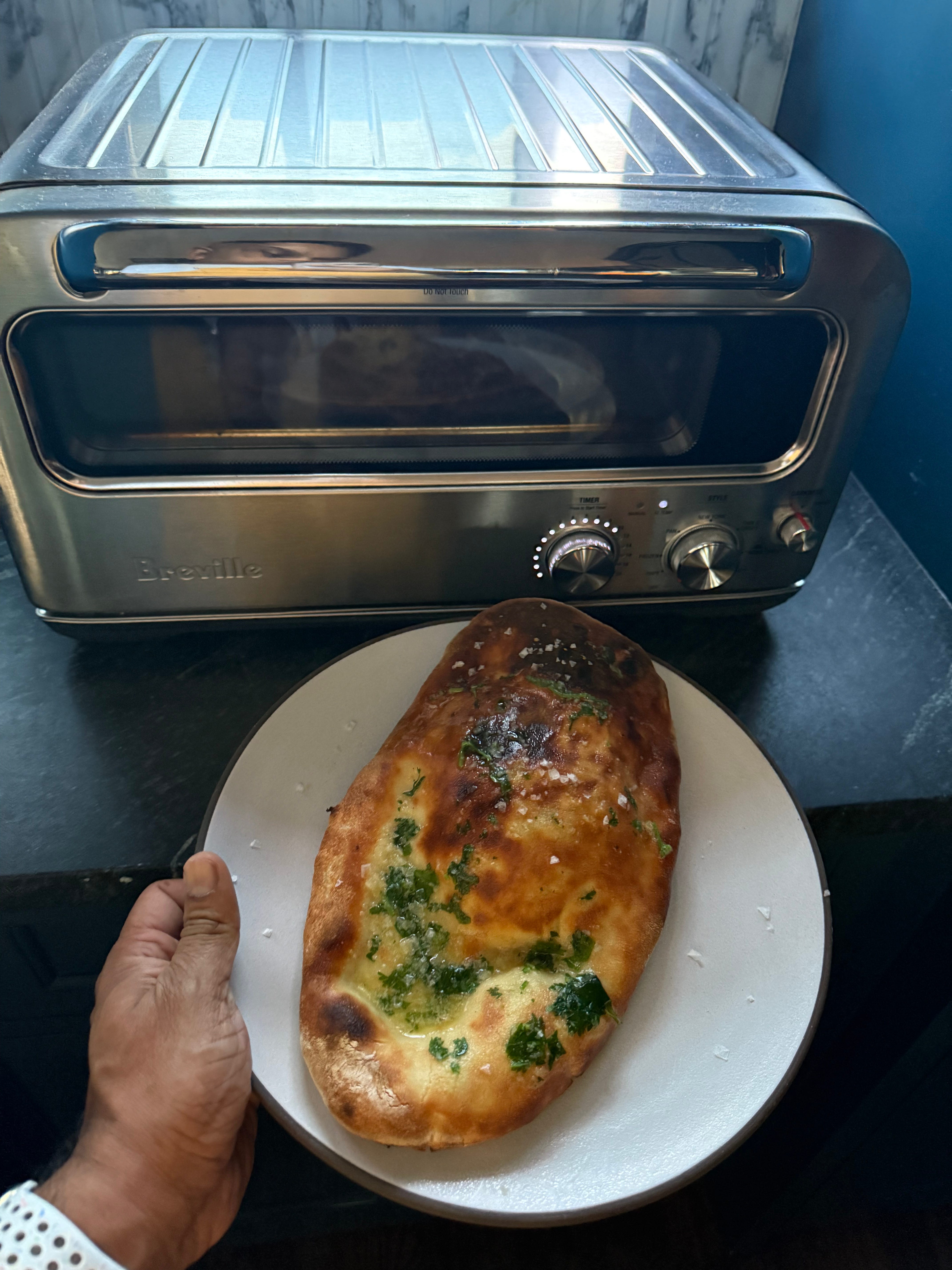
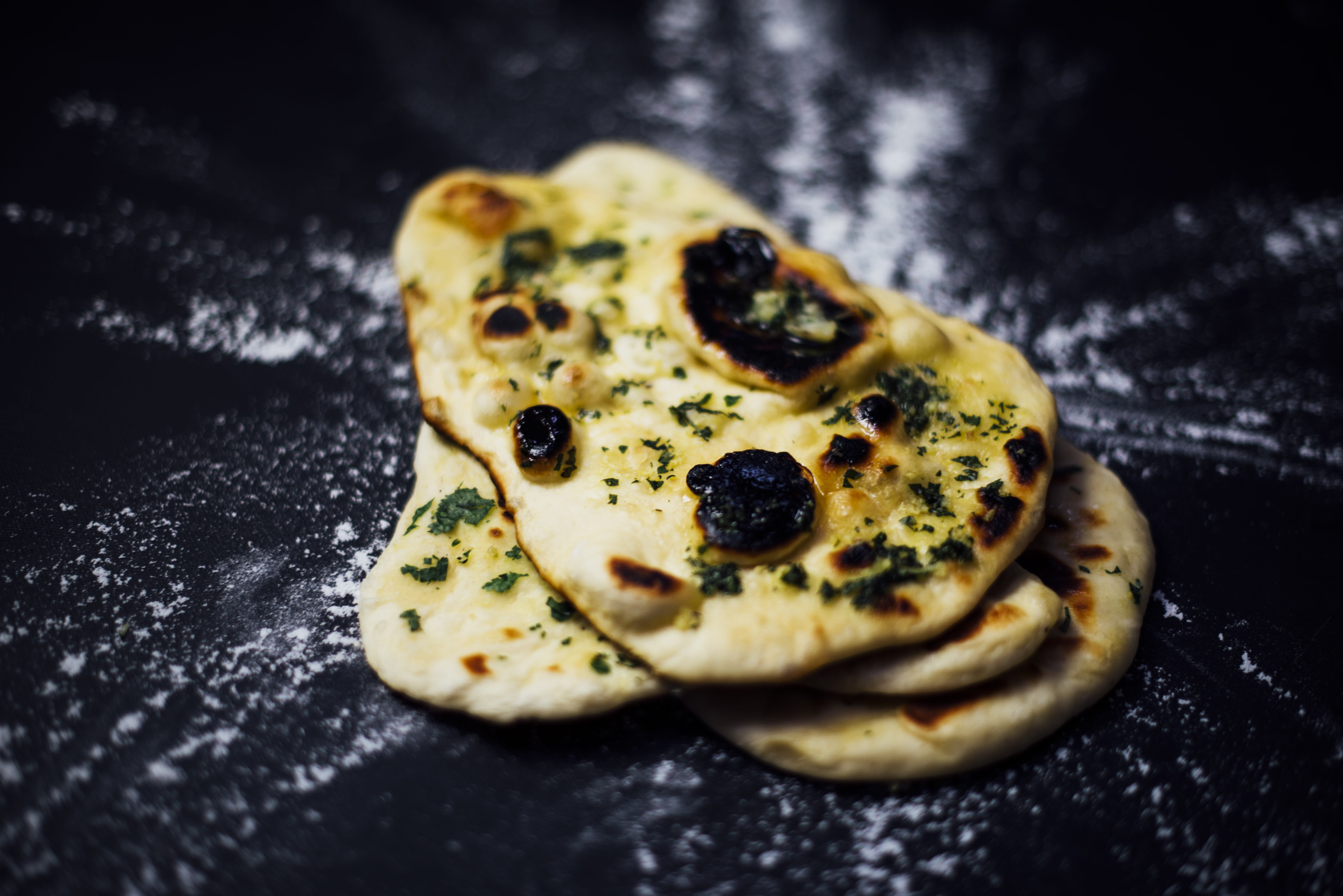
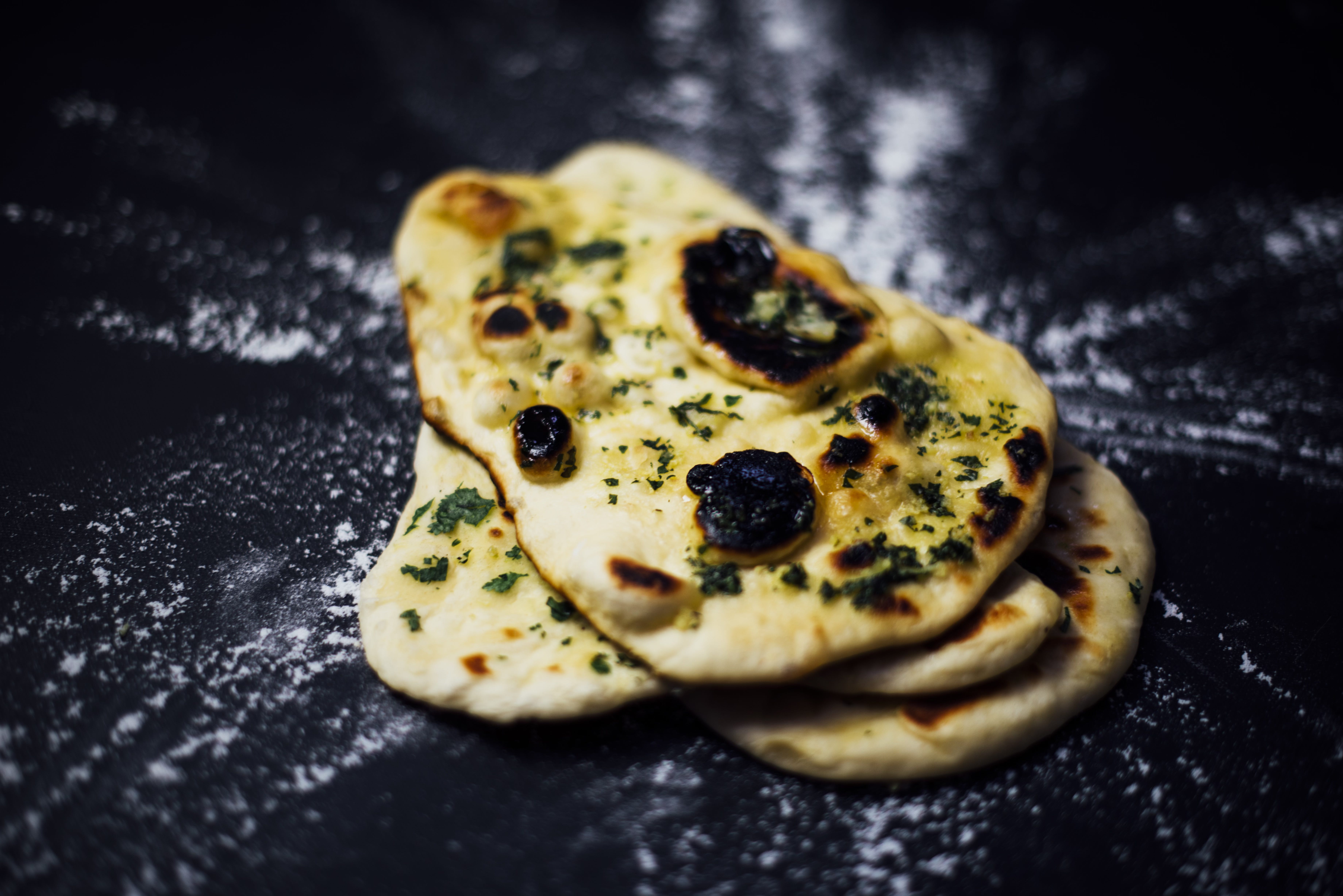
A pizza oven is another option that can provide the same degree of heat. With a few tweaks, it’s a worthy contender. I cooked the naan in my Breville Pizzaiolo at 700°F [371°C] for 3 to 4 minutes without rotating or flipping it. Because of its design, the oven will give the naan a more even browning, but where the bread bubbles up, the naan will blister.
Let’s start with Naan?
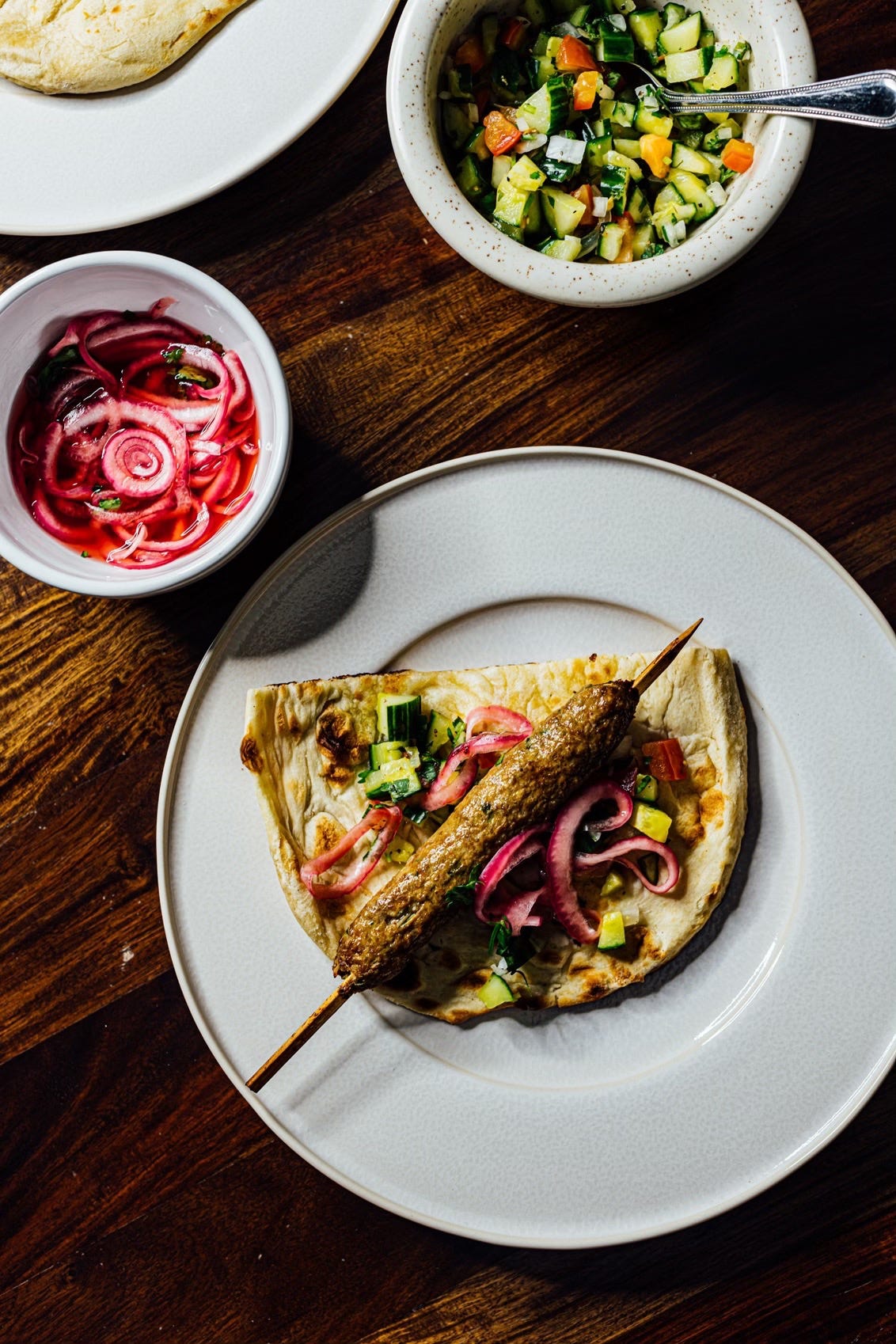
You’ll need naan—preferably blistered and puffy. My go-to naan recipe (from my cookbook, Season) is simple, flexible, and great with or without a tandoor. It’s this week’s free recipe.
Welcome to Come On Over, a Food52 newsletter about hosting life’s big and little moments. It’s where we share our personal tips and tricks, from modern-day etiquette—shoes off or shoes on?—to making extra seating out of every surface of an apartment. This week, Kelly’s breaking the ice.
There’s nothing I love more than introducing one group of friends to another, especially when I know they’re going to get along swimmingly. But walking into a room full of unfamiliar faces can be awkward, even in the friendliest setting. And when you’re the one bringing everyone together, it’s on you to smooth that tension. So I gathered a few go-to tricks from the Food52 team.
Trays of crispy chicken cutlets. Bowls of beet salad. Rows of freshly baked pies. Trader Joe’s candles flickering next to elegant taper holders, soft jazz in the background, and 40 strangers who all brought something to the table—literally. These are the scenes you’ll find at a supper or cookbook club hosted by Food Baby Brooklyn, a project dreamed up by our newest test kitchen resident, Isabelle Jardin.
A Brooklyn-based content creator and avid host, Isabelle is known for throwing cozy pop-up dinners in unexpected places—from backyards to warehouses—where strangers become friends over shared plates and good wine. Ambient lighting? Always. Homemade food? Absolutely. Cookbook recs? You know it.
Is it too hot to cook? Does the thought of even turning on the microwave feel like it might tip you too close to the surface of the sun? We are long overdue to talk about my favorite heat wave meal, one I’ve been holding out on you for five too many summers. As the president of Overthinkers Anonymous, I had my reasons. What if you’re not as obsessed with inhaling a pound of fridge-cold cucumbers as I am? What if the mere whiff of peanut sesame noodle dressing doesn’t make you want to climb into a vat of it? What if my favorite salad tofu — firm silken — isn’t your favorite salad tofu? What if you don’t have a favorite salad tofu? [Six question marks in a paragraph might be a record!]
Avocado pesto is a deliciously creamy and fun variation on classic basil pesto. This avocado pesto recipe replaces the olive oil with avocado, in addition to the usual basil, Parmesan and pine nuts (in these photos, I used pepitas instead, which are lovely as well). A squeeze of fresh lemon brightens and complements the flavors, and helps keep the avocado green.
You can use avocado pesto on pasta, of course. It makes a stellar veggie dip and sandwich spread, too. You’ll find more uses and tips for it below. The one caveat is that avocados brown with time, so it’s best used immediately or stored in a jar until you’re ready to serve.
All Fired Up is our Shop’s monthly handmade ceramics drop, curated by Food52 and sourced from small and local makers. This month, we’re highlighting the work of Oregon-based artist Petra Kaiser.
For most people, stumbling across a pottery wheel on Craigslist might warrant a click—maybe even a little daydream. But $300? That’s probably a scam, right? For ceramicists, though, that’s an insane deal. You’ve got about ten minutes to decide.
Welcome to Sunday Reset, where we share how we’re unwinding and what we have planned for the week ahead. This time, Isabelle tells us about her search for the perfect sandwich.
Good morning! What’s your sandwich sun, moon, and rising?
Welcome to The Flavor Files! 🎉This is where my love for cooking, flavor, and food science all come together—because delicious food is even better when you understand a little of the magic behind it.
Looking for more recipes? You’ll find them all at Nik Sharma Cooks. Still need a copy of my latest cookbook, Veg-Table? You can grab it here—it’s filled with veggie-driven inspiration. 🌱✨
You might spot a few affiliate links sprinkled throughout this newsletter; they help keep the spice—and the science—flowing.
Now, let’s dive in. 🔥
The Flavor Files is a reader-supported publication. To receive new posts and support my work, consider becoming a free or paid subscriber.
When I shop, whether for work or just the thrill of beautiful ingredients, I almost always buy more than I need. Some of it is instinct, some is habit, and some is the quiet knowledge that I’ll want those things later, when I’m too tired to face the grocery store or when a recipe needs one last test. So I freeze what I can. Vegetables blanched, meats portioned, sauces tucked away like love notes to my future self.
Freezing has become more than just a practical move, my version of self-care that’s both frugal and freeing. Especially now, when food costs feel like they climb higher each week, it’s a way to stretch what I have and waste less. A safety net. A second chance. A reminder that flavor doesn’t always need to be fresh-picked, it just needs to be well-kept. This week, I share my brief guide to how I freeze food at home.
🧊 The Smart Cook’s Guide to Freezing Proteins and Veggies (The Right Way)
Freezing is like hitting pause on food spoilage, but only if done right. Here’s how to stash proteins and veggies in your freezer like a pro, with tips grounded in USDA food safety guidelines.
For Proteins: Freeze Fast, Pack Smart
1. Start With Clean Hands & Fresh Meat
Always freeze meat, poultry, or seafood before the “use by” date. The USDA says that freezing does not kill bacteria; it only pauses their growth. So, don’t freeze meat that's already questionable, and once thawed, don’t refreeze it; use it soon.
Do not freeze whole eggs; the shells can crack. If, for some reason, a whole egg is frozen in the shell (and if the shell didn't crack), you can hard-cook the egg, but you will not be able to use the yolks. Freezing changes the texture of the yolk, making it very thick and syrupy, and it won’t behave like a fresh egg yolk in recipes (freezing encourages the egg yolk proteins to aggregate, and the lipids are released).
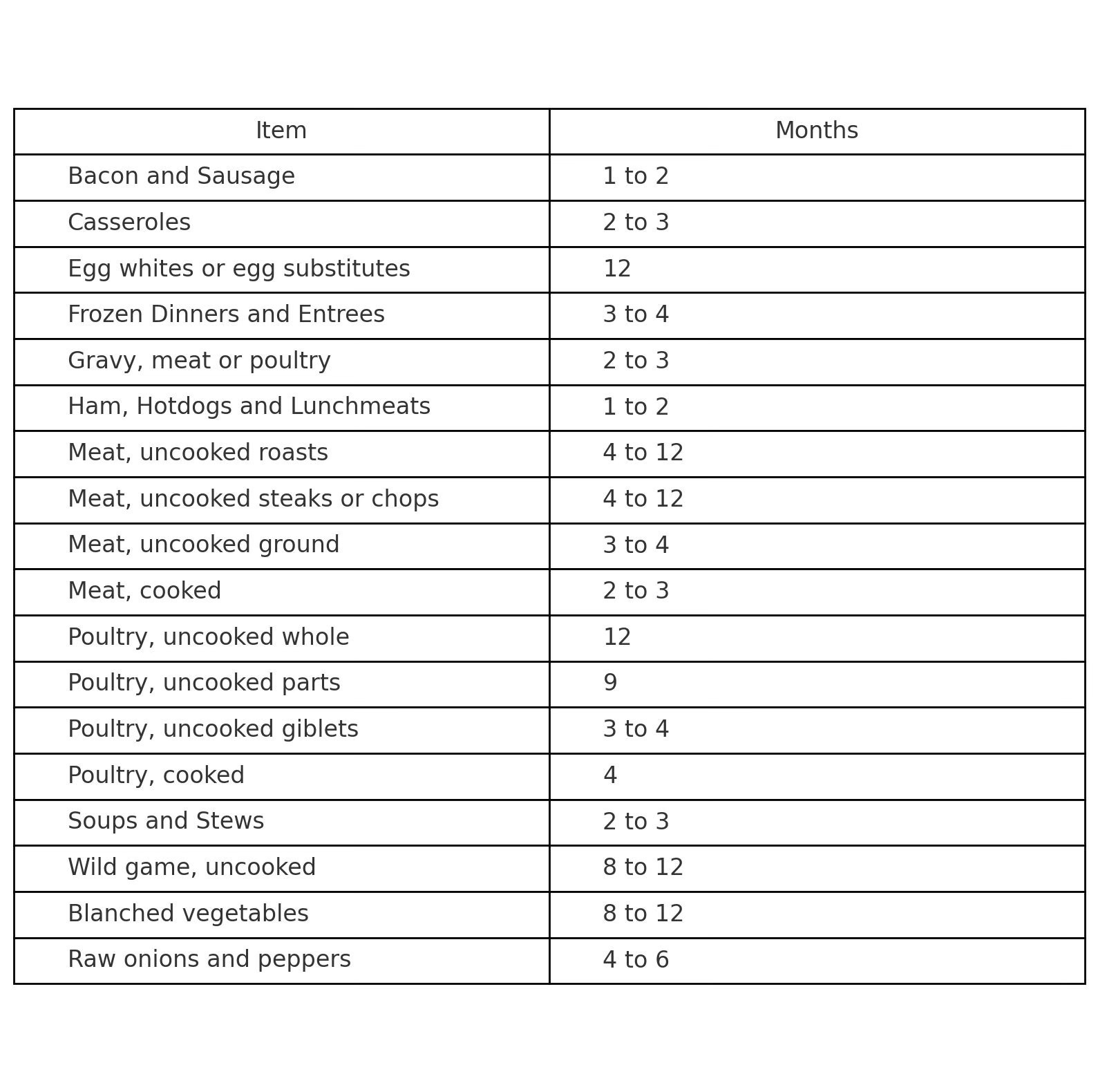
USDA Tip: Freeze raw meats within 1 to 2 days (ground meat, poultry) or 3 to 5 days (steaks, chops, roasts) of buying.
2. Ditch the Grocery Packaging
Store packaging is thin and prone to freezer burn. Wrap tightly in plastic wrap or foil, then slide into a freezer bag or vacuum-seal for best protection.
Hack: Label with date and weight. Add marinade or spice rub before sealing to make meal prep easier later.
3. Freeze Flat
Lay bags of meat or fish flat to freeze quickly and stack efficiently. I do this by keeping them on a flat tray or baking sheet and taking out the tray after the food is frozen.
Quick freezing results in smaller ice crystals, which leads to a better texture when thawed.
For Vegetables: Blanch Before You Freeze
1. Clean and Cut Evenly
Wash thoroughly, then chop the pieces into uniform sizes. Uneven sizes = uneven cooking later.
2. Blanch First, Freeze Later
Blanching (brief boiling or steaming, then plunging into ice water) deactivates enzymes that cause off-flavors, color loss, and mushiness in frozen veggies.
Examples
Broccoli florets: 3 minutes
Carrots: Blanch 2 to 3 minutes
Corn kernels: 4 minutes
Green beans: 3 minute
Skip blanching only for onions, bell peppers, and herbs; they freeze well raw.
3. Dry Thoroughly
You can use a clean dish towel or a salad spinner. Excess moisture = ice crystals = soggy veggies.
4. Freeze on a Sheet Pan First
I’ve found that vacuum bag stores produce the best.
Spread the veggies in a single layer on a tray, freeze until firm, and then transfer them to bags. This prevents clumping, so you can grab a handful when needed.
Faster: Submerge the sealed bag in cold water and change it every 30 minutes.
Avoid: Countertop thawing, as it risks the "danger zone" (40°F to 140°F/4°C to 60°C), where bacteria multiply.
If you decide to microwave thawed food, please cook it immediately, as some parts of the food can warm up in the microwave.
✅ Final Tips:
Keep your freezer at 0°F [-18°C] or lower.
Don’t refreeze raw proteins after thawing (unless cooked first).
If it smells bad, you can just throw it. Some foods develop funky odors during storage because fats can go rancid.
FIFO = First In, First Out. Use older items first.
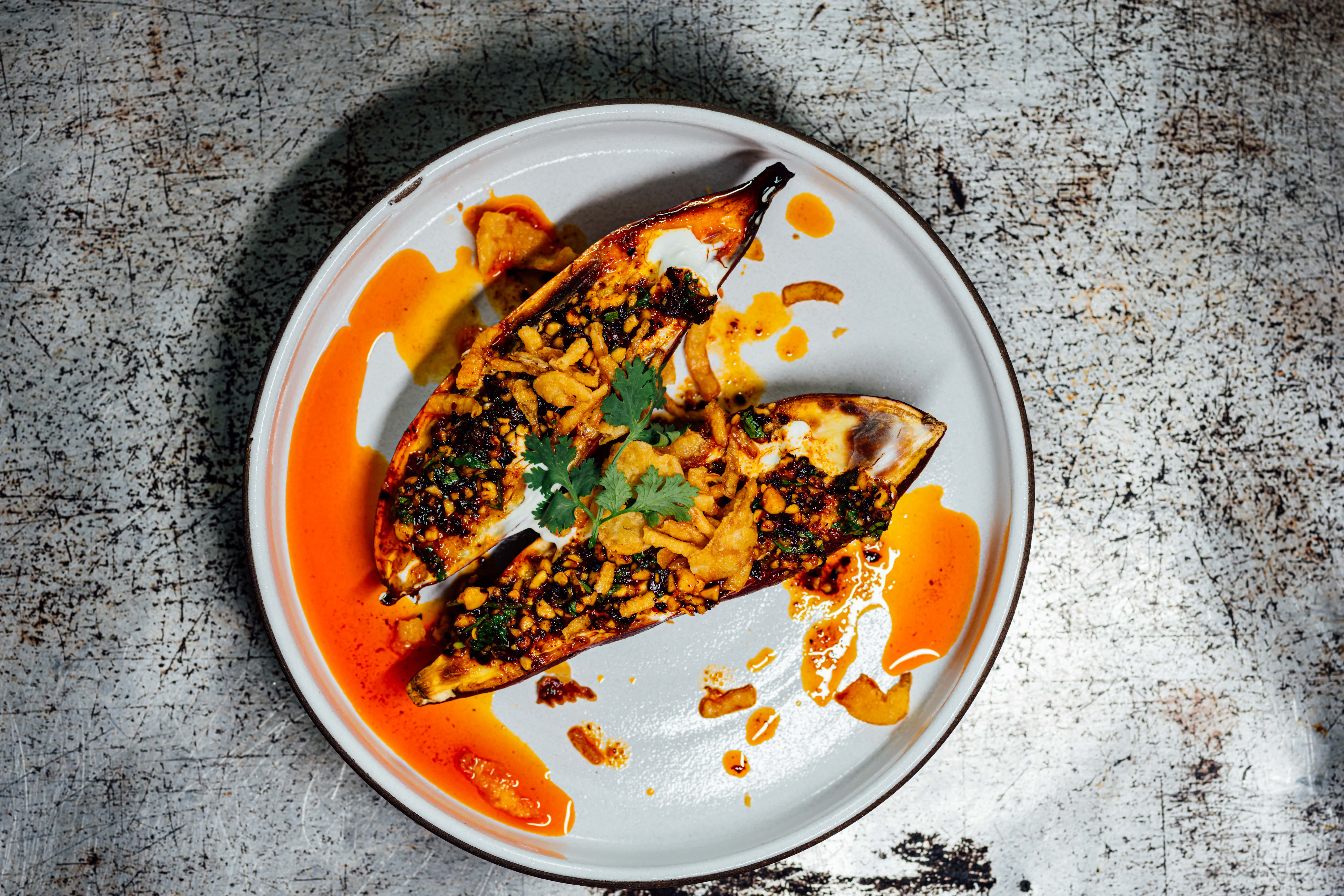
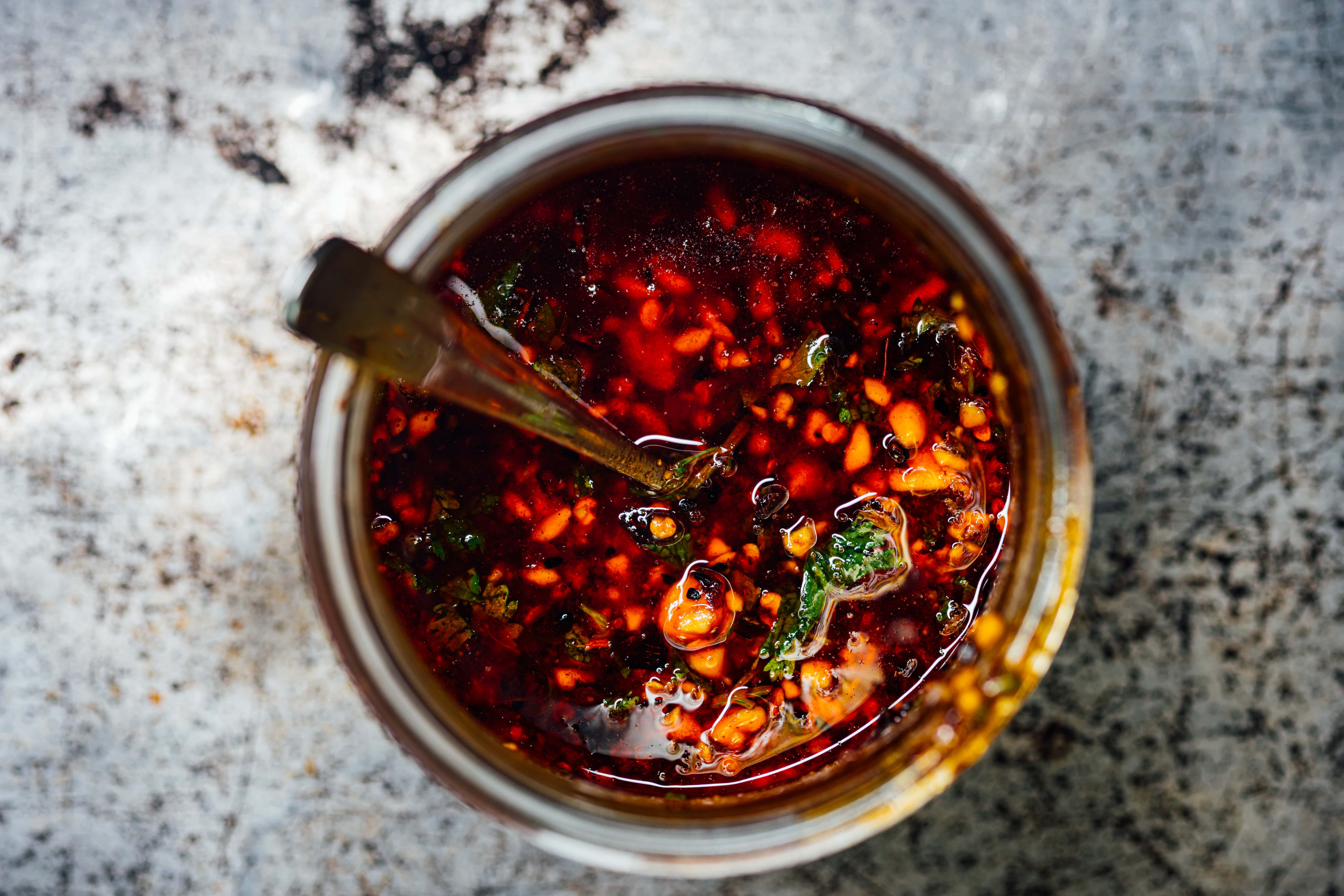
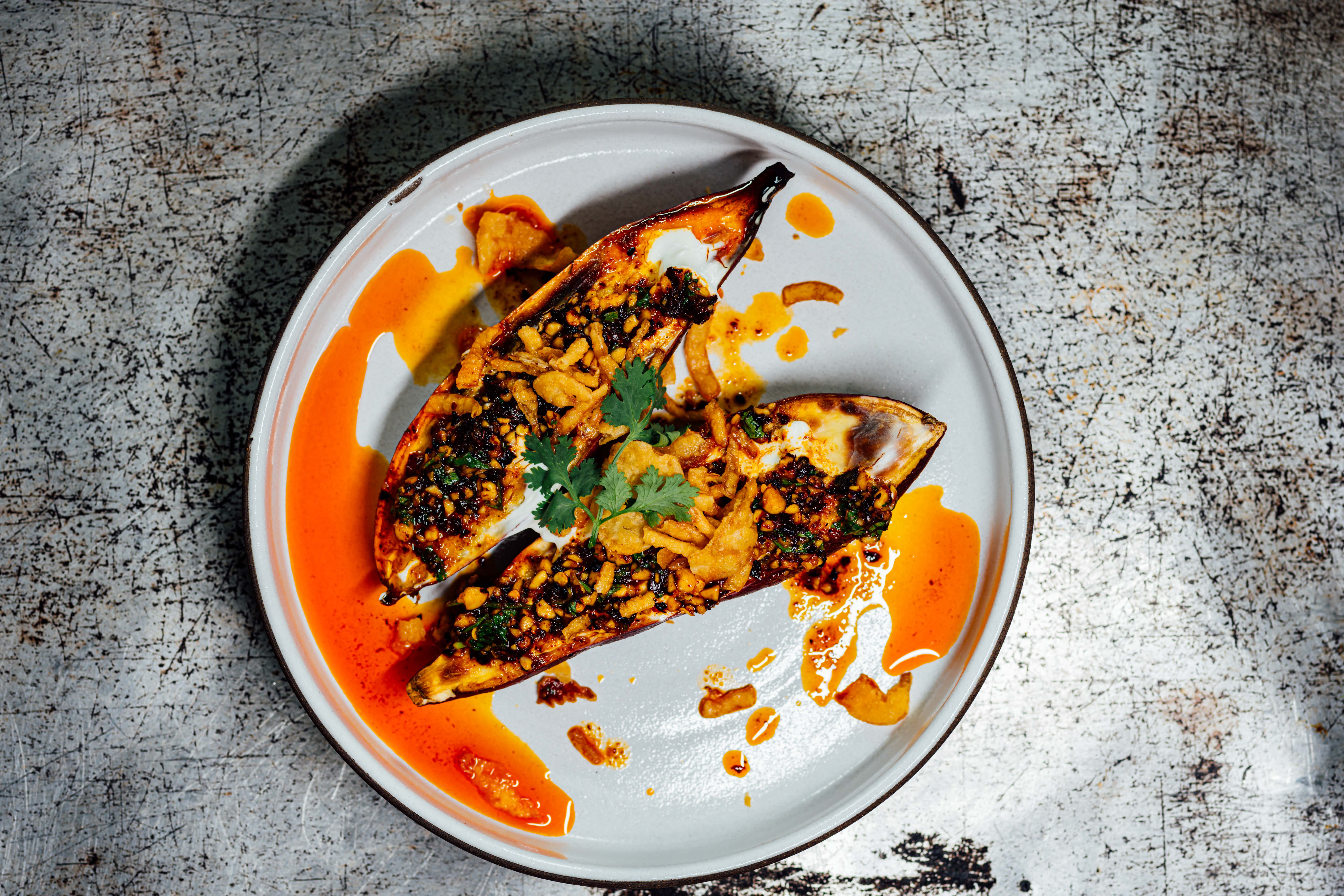
Peanut Salsa Macha & Roasted Japanese Sweet Potatoes with Peanut Salsa Macha and Labneh
What is Salsa Macha
A few weeks ago, I had dinner at Holbox, a small seafood restaurant tucked into the heart of DTLA. The kind of place where the scent of charred chiles and sea brine lingers in the air, and every plate feels like a revelation. One dish, in particular, stayed with me: a delicate tortilla cradling sweet crab meat, blanketed in a deep, rust-colored peanut salsa macha. It was rich and smoky, with just the right amount of heat, luxurious without trying to be.
I left thinking about that salsa. The way it clung to the crab, the warmth it left on my tongue. That night, I came home and headed straight to the kitchen, determined to recreate it, not the whole dish, just the essence. Something simple, quick, and unforgettable. Roasted Japanese sweet potatoes meet their match: a cool, creamy scoop of salted labneh, draped in smoky peanut salsa macha. Crispy fried onions add crunch, fresh cilantro brings lift, and every bite lands exactly where it should.
Salsa macha is an intensely flavorful, nutty, and spicy Mexican chili oil, more of a condiment than a sauce, originally from the state of Veracruz. However, it’s strongly associated with the cuisine of Oaxaca and parts of Jalisco. It reminds me of Asian chilli crisps, but smoky, earthy, and sometimes with a whisper of sweetness.
When you’re a busy parent trying to feed a family with different tastes, grocery shopping can quickly turn into a chaotic—and expensive—chore. Between inflation, food waste, and the endless “What’s for dinner?” dilemma, many of us are hungry for solutions that help us do more with less. Enter Chef Will Coleman’s6-to-1 Grocery Shopping Method: a smart, flexible strategy that makes planning, shopping, and cooking simpler and more sustainable.
What is the 6-to-1 Grocery Shopping Method?
Designed to help shoppers focus on ingredients that can be used across multiple meals, Coleman’s method is straightforward: shop for six vegetables, five fruits, four proteins, three starches, two sauces, and one fun item. The result? A cart full of cost-effective, versatile ingredients that can stretch into a week’s worth of meals without waste or overwhelm.
Summer solstice marks the longest day of the year—and the unofficial kickoff to slow evenings, spontaneous backyard hangs, and meals that feel like mini celebrations. Whether you’re planning a proper dinner party or just want an excuse to slice a few extra peaches and light the grill, this is your sign to cook something that tastes like sunshine.
We rounded up 25 of our favorite summer-ready recipes that are perfect for the solstice and every sun-drenched day that follows. There’s a juicy peach and tomato panzanella that’s equal parts salad and main course, a grilled Caesar that’s smoky and crisp in all the right ways, and a cacio e pepe corn salad we honestly can’t stop thinking about. If you’re team pasta salad, don’t worry—we’ve got options. And if you’re looking for a low-lift main to serve with all that veg, let us point you to some extra-flavorful chicken thighs, a lemony Greek-inspired platter, or grilled flatbreads you can top with whatever’s in the fridge.
Summer inevitably brings around the best cocktail moments—there’s fresh fruit, cold prosecco, and honestly, a little more freedom to play. Don’t get me wrong, I love a cozy fall or winter drink (and I’ll definitely make the case for them come September), but in the warmer months, it’s time to swap the apple, ginger, and whiskey for strawberry, rose, and Aperol.
If you’ve read my previous deep dives into flips or tea-infused syrups, you already know I love writing (and thinking) about cocktails. I’m always on the lookout for ways to zhuzh up the classics—whether it’s a spritz or a gin and tonic. Is it in the syrup? The liqueur? A splash of something floral or fizzy? Yes to all of the above.
Welcome to Schoolhouse Switchboard, where our team answers your most pressing design questions—one topic at a time. This week, we’re breaking down everything you need to know about cabinet hardware.
When it comes to everyday design choices, cabinet hardware doesn’t always get the attention it deserves. But here’s the thing: you interact with it every single day—opening drawers, closing doors, maybe even admiring that little gleam of brass while you wait for your coffee to brew.
Welcome to Schoolhouse Switchboard, where our team answers your most pressing design questions—one topic at a time. This week, we’re breaking down how to hang art and mirrors like a pro.
Hanging a heavy mirror or piece of art can feel like one of those deceptively simple tasks—until you’re standing there with a drill in one hand and a level in the other, trying to make sure everything lines up just right. It’s one of the most common questions we get at the Switchboard: What’s the safest, most reliable way to hang something heavy on the wall?

 Login
Login


/354bb7f5-cca2-42e4-8bcb-700afd81c8f6--2018-0524_fortessa_veranda-melamine-pitcher-and-tumblers_1x1_rocky-luten_008.jpg)
/b678f55f-503c-423a-8856-87b99dc1fe5a--2025-0604_thomas-fuchs_half-and-half-melamine-dinnerware_sky-green_dinner-plate-salad-plate-bowl_lifestyle-no-need-for-food_silo_email-site_1x1_armando-rafael_0087.jpg)
/91a7fdce-d517-4240-abc2-760e6aea51ee--2021-0223_floral-society_essential-oil-outdoor-incense-and-mosquito-repellent_1x1_james-ransom-061.jpg)
/988f92b3-b953-40c7-ab6c-591704e1e421--2024-0501_mepra_outdoor-flatware_onyx-and-clear_table_mid_1x1_elvin-abril.jpg)