❌

Reading view

Exclusive: Sen. Lisa Murkowski Joins Senate Dems to Oppose Census Rule That Would Shift Political Power

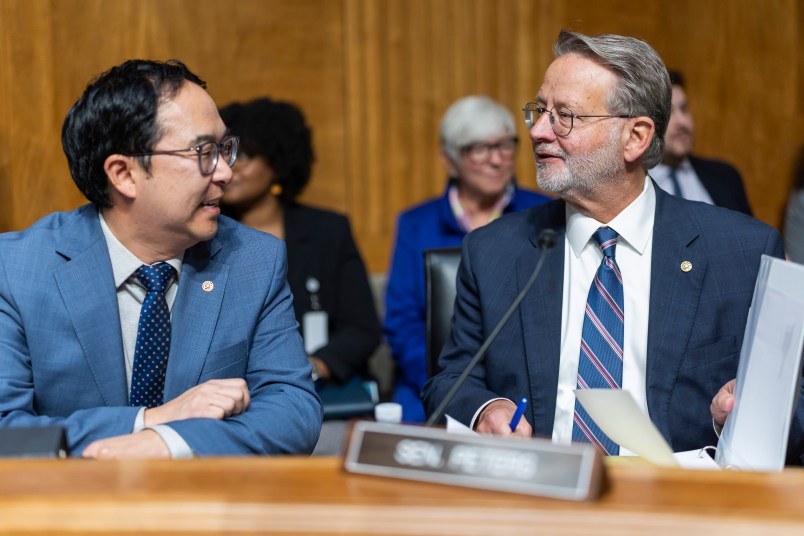
A bipartisan group of senators urged the Commerce Department to rescind its proposed rule that would exclude most noncitizens from the census population count used for determining congressional representation, according to a copy of a letter, shared with TPM, that the senators sent to Commerce and Census Bureau officials.

  •  

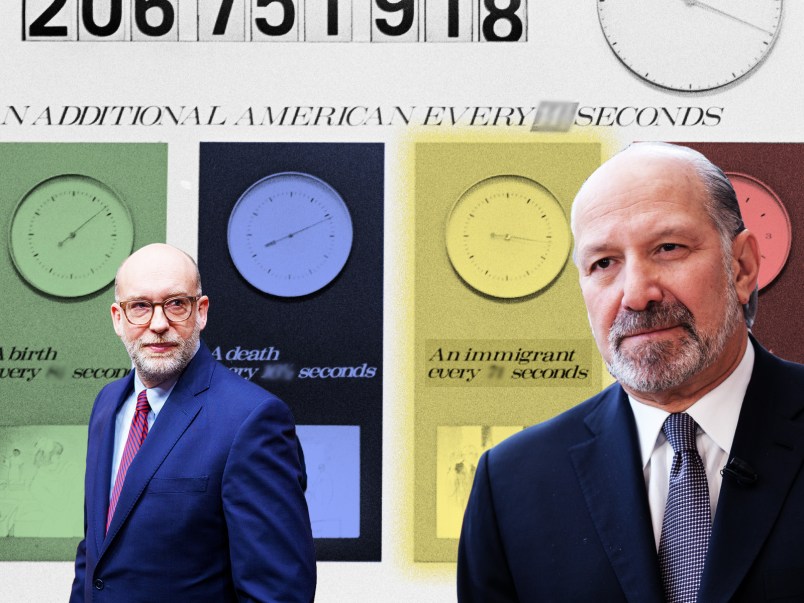
Former Census Directors Issue Rare Rebuke of Controversial Rule Proposed By Trump’s Bureau

Six former Census Bureau directors who served under presidents of both parties signed onto a letter urging the Department of Commerce to abandon its proposal to dramatically alter how usual residence is recorded on the 10-year census.

“For more than two centuries, the usual residence concept has adapted to a changing nation while keeping its central purpose: count every person once, only once, and in the right place,” the former directors wrote. “The proposed rule dramatically complicates the collection of complete, accurate data, and puts the 2030 Decennial at risk.”

The proposal is one of several put forward by Trump’s second term Census Bureau that, experts tell TPM, would have the effect of shifting power toward Republicans. 

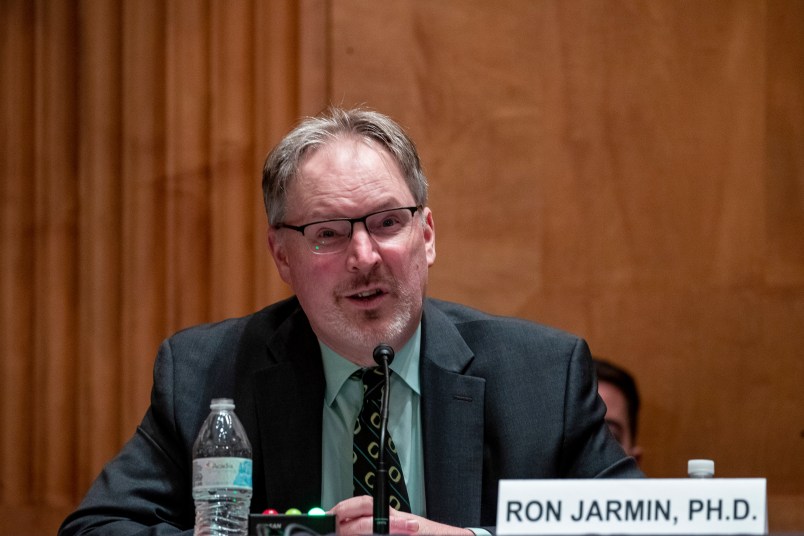
The list of former Census Bureau directors who signed on to the letter led the agency from as early as 1994 through 2025. They are Ron Jarmin, Robert L. Santos, Thomas Mesenbourg, Jr., Robert Groves, James F. Holmes, and Marty Farnsworth Riche. Some were confirmed by the Senate, others served in an acting capacity.

“As former directors of the U.S. Census Bureau, serving under administrations of both parties, we are concerned that this approach is likely to make the count less accurate, not more,” the wrote.

The Department of Commerce proposed in September a rule that the former Census directors argued could “complicate” the population count by relying on tax records to establish a person’s usual residence. It would also establish a novel, so-called “census enumeration period” stretching between January 3 to April 1 that experts have told TPM risks disproportionately benefiting red states by counting snowbirds — people who spend winters in warmer, southern, red states — at their winter homes rather than the homes where they spend most of their time.

If finalized, the rule would also stop the Bureau from collecting data on race, ethnicity, and gender-related identifiers. It would exclude most immigrants regardless of legal status from the population count used to determine state congressional representation. 

Each proposal is designed to diminish populations in more immigrant-friendly blue states and add more congressional power and Electoral College votes to Republican states, experts have told TPM, though it remains unclear what impact the proposed rules will actually have.

The six former Bureau directors drafted their letter on Wednesday and submitted it for public comment on the federal register listing for the Commerce Department’s proposed rule. The comment period for the rule closes on Nov. 2.

Experts have repeatedly flagged a number of issues with the Commerce Department’s proposal to use administrative tax records for usual residence. A draft document obtained by TPM shows Commerce Department officials overrode Treasury officials’ concerns about the plan to use tax records for residence. 

“At first, I thought it was a mistake because it seemed like such a bad idea,” Barry Johnson, former director of the IRS Statistics of Income Division, told TPM at the time.

Addresses on tax filings could end up providing misleading information to the Census Bureau, the letter said. These addresses aren’t always homes, for instance, and can be P.O. boxes, businesses or a tax preparer’s office, the former Bureau directors note. Tax records don’t always reflect if a person has moved. And there are millions of people who legally are not required to file federal tax returns. 

“Tax records are designed to administer the tax system,” the former Census Bureau directors wrote, “not to determine a person’s usual residence.”

  •  

How a Democratic Congress Could Stop the Right-Wing Census Takeover

When the members of the 120th Congress take their seats come January, they will quickly have a chance to oppose — or let stand — the unprecedented changes and dramatic proposals from President Donald Trump’s administration at the Census Bureau. Those changes, if enacted, will have an enormously consequential impact on how political power is distributed in the U.S., and could grant greater representation in the House of Representatives and the Electoral College to Republican-voting states. That’s by design. 

  •  

How Trump’s ‘Grand Conspiracy’ Investigation Failed to Become the New QAnon

In Rough Edges, Mike Rothschild writes about fringe groups, conspiracy theories and how the Internet broke our brains. This column is part of TPM Cafe, TPM’s home for opinion and news analysis.

People love a grand conspiracy. The bigger the scheme is, the more people get drawn into it. And the more details and players that are involved, the more believable it seemingly becomes. After all, who would go to the trouble of making up something so complicated? It must be true.

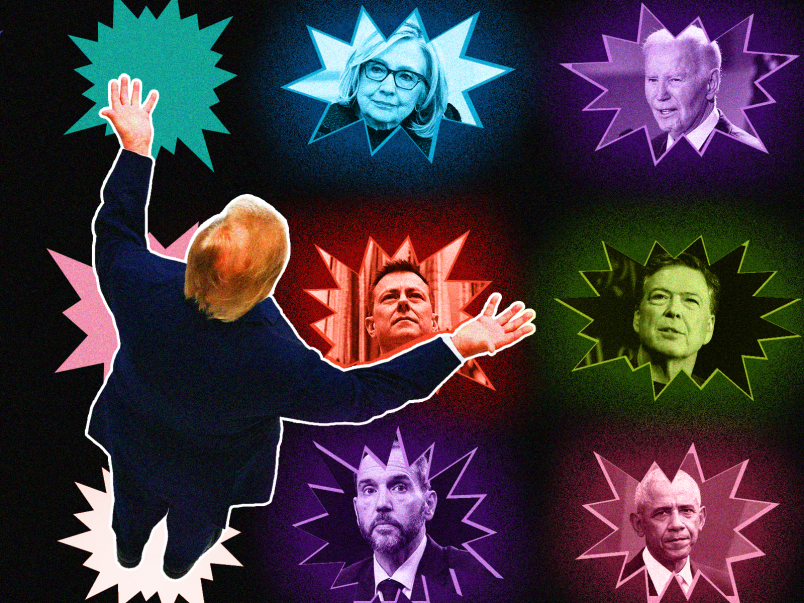
And nobody loves a conspiracy more than President Trump. He and his inner circle especially seem to have fallen in love with what has literally been dubbed “The Grand Conspiracy.” It’s a hopelessly complex, entirely unevidenced theory claiming that a high-ranking group of political figures have been plotting in the shadows for years to stop Donald Trump from making America great again through investigations, indictments and impeachments. It has all the hallmarks of the type of grandiose schemes that Trump supporters especially fall for: countless players, sprawling plots, intricate secrets, and a total lack of evidence that it actually took place.

Despite lacking cogent answers to foundational questions such as “what it is” and “who is doing it,” revenge for the Grand Conspiracy has been a driving force in the administration, prompting an investigation that has trundled along over the last year and a half, involving dozens of officials looking for some reason to indict the president’s enemies.

And there are many, many enemies. They include a greatest hits of Trump’s obsessions and grievances, from former special counsel Jack Smith to minor players like former FBI agent Peter Strzok, and even former President Barack Obama himself. According to Grand Conspiracy believers, they are all powerful Deep State figures who supposedly worked together in a single, years-long scheme to destroy Trump and undo the will of the people. 

Precisely what these conspirators have actually done remains unclear — even, seemingly, to the prosecutors themselves, who, per the Wall Street Journal, complained to the Justice Department that they weren’t getting much guidance from the local U.S. attorney. The probe is now being run out of Washington, where it continues to baffle those assigned to move it forward. 

In the last few weeks, there have been a host of indications that DOJ efforts to prosecute these figures — and tie them all together into one grand scheme — are falling apart. And, as the Grand Conspiracy prosecution flails at DOJ, the claims also aren’t doing much in the court of public opinion, where Republicans are looking for anything they can find to shore up their crumbling midterm prospects.

  •  
❌