Reading view

Zucchini with Garlic Sauce

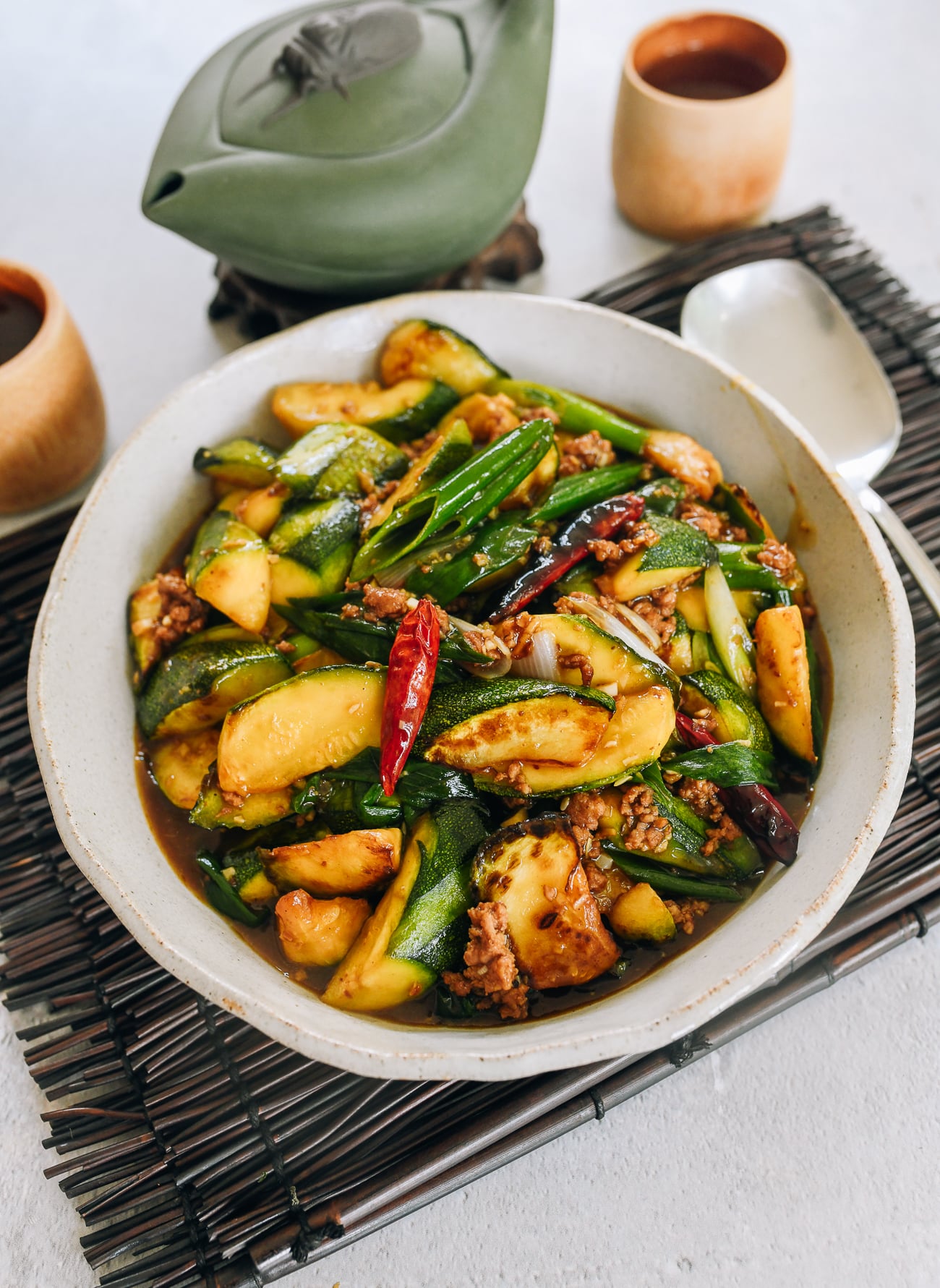
Zucchini with Garlic SauceAdd this Zucchini with Garlic Sauce to your rotation when you have more zucchini or yellow squash than you know what to do with! Ground pork, plenty of garlic and scallions, and just a little heat from dried red chilies makes this a new summertime favorite at our house. For Anyone Who Loves Eggplant with […]
  •  

Vox launches The Midterms, Actually, a new weekly newsletter from Astead W. Herndon

Logo for The Midterms Actually with Astead Herndon on red, white, and blue background

Today, Vox is launching The Midterms, Actually, a new weekly newsletter from Astead W. Herndon examining the big ideas and key people behind the political shifts shaping the 2026 elections — and what they reveal about where American politics is headed next.

Each week, Astead will break down one big idea he’s identified and one revealing thing he is hearing from voters, candidates, organizers, and other figures on the ground. The goal is to understand what the midterm elections are telling us about how the parties are changing, which new coalitions are emerging, whose voices are being overlooked, and what it all could mean beyond November.

The launch marks Vox’s first expansion onto Substack. Readers can sign up for The Midterms, Actually directly on Vox or follow on Substack. Astead will also regularly host Substack Lives, creating additional opportunities for conversations with readers and guests throughout the election cycle.

Astead is the host and editorial director of Vox’s America, Actually, a podcast focused on understanding how political change is unfolding across the country. He joined Vox in 2025, after working as a national political reporter at the New York Times and hosting The Run-Up, the Times’s flagship politics podcast. His reporting has focused on covering American politics from a voter perspective, tracking the changes in the country and the political parties from the bottom up.

Beginning today, Vox’s flagship daily newsletter, Today, Explained, written by Caitlin Dewey, will also be available on Substack in addition to its existing home on Vox.com. Every weekday afternoon, Today, Explained helps readers understand the big ideas behind the most important news stories.

  •  

A High-Stakes Primary in Wisconsin’s Race for Governor

(Photo illustration by Bill Kuchman/The Bulwark | Photos: Getty, Shutterstock)

IN HIS NEW BOOK, This Is the Plan: How to End America’s Meltdown and Save Democracy, former Wisconsin Democratic Party Chair Ben Wikler puts his finger on his state’s national political importance, at one point declaring:

What our country is going through now—a soul-ripping, mind-rending nightmare of corrupt authoritarianism in which a far-right candidate takes power on the back of economic discontent and culture wars and then uses his victory to claim a mandate for a sweeping, lawless assault on democracy itself—happened first in Wisconsin.

Wikler’s book, now awash in national attention, draws parallels between Wisconsin’s experience under Governor Scott Walker and the United States under President Donald Trump. Walker, swept into office with the Republican tsunami of 2010 that put both houses of the state legislature under GOP domination, demonized public employee unions, especially teachers, as part of a “divide and conquer” strategy. Trump, similarly, has demonized immigrants who are not members of his immediate family.

Both Walker and Trump used the levers of power to redraw voter district boundaries to their party’s advantage, while doctrinaire conservative justices on the Wisconsin Supreme Court and U.S. Supreme Court nodded in approval. Wisconsin was left as what was often labeled the most heavily gerrymandered state in the nation. Republicans were able to maintain huge majorities in both houses of the state legislature despite Wisconsin being almost equally politically divided between the two major parties.

Walker served two terms before being ousted in 2018 by Democrat Tony Evers, who now, at age 74, has decided not to seek re-election after serving two terms himself. That sets up an eventual contest between the presumptive Republican nominee, U.S. Rep. Tom Tiffany, and whoever emerges victorious from a pack of five Democrats competing for their party’s nomination in the August 11 primary.

What happened in Wisconsin, thanks in large part to Wikler’s capable leadership, is that, beginning in 2023, the Democrats were able to leverage a series of wins for liberals on the officially nonpartisan state Supreme Court, putting the state’s rigged voting districts in the crosshairs. Republican legislative leaders ultimately agreed to accept maps drawn by Evers—mainly to avoid having the court, now controlled by liberals, redraw maps that would go even further in eroding the Republicans’ deliberately unfair advantage.

We’re big fans of fairness over here. That’s why we’re offering you two weeks of Bulwark+ for free—give us a fair shake, and then decide whether our annual subscription is a fair deal.

Heading into the fall elections, Wisconsin Democrats have a good chance of reclaiming the state senate and at least a fighting chance of winning control of the assembly for the first time since 2011. Tiffany, a shameless election denier who in January 2021 voted against certifying Joe Biden’s victory over Trump in two swing states and even signed on to a legal brief that sought to overturn the election result, could emerge victorious. Like most members of his party, Tiffany refuses to acknowledge that Biden won the race fair and square, citing an ongoing need to investigate “the improprieties that happened.”


ALL FIVE OF THE RACE’S Democratic primary contenders, culled from an initial field of nine, have a reasonable shot at garnering the most votes and advancing to the general election in November. They are: former Lieutenant Gov. Mandela Barnes, former state Department of Administration secretary Joel Brennan, Milwaukee County executive David Crowley, state Rep. Francesca Hong, and state Sen. Kelda Roys.

Crowley dropped out of the race on July 8 only to jump back in less than two weeks later when the state’s current lieutenant governor, Sara Rodriguez, whom he had endorsed, ended her campaign amid a scandal that erupted over her campaign manager’s filing of significantly incorrect financial reports. Evers, who had previously not endorsed any of his potential successors, promptly came out in support of Crowley, much to the annoyance of the other candidates and their supporters.

“This Hail Mary serves no purpose other than playing spoiler and handing our state to Trump’s handpicked candidate in Tom Tiffany,” groused Barnes’s campaign manager, Darby O’Connor. Barnes was Evers’s lieutenant governor during his first term.

Barnes and others have speculated that Evers’s endorsement of Crowley is meant to undermine the candidacies of more progressive candidates, prominently including Hong, who identifies as a democratic socialist.

Even Paul Fanlund, publisher and president of the once–proudly progressive Capital Times newspaper, has sounded an alarm about Hong’s support “from a narrow but hard-core far left” that holds little sway “beyond the sanctimonious, progressive bubble of Madison.” As Fanlund sees it, “Tiffany appears to be a weak, extremist candidate in what looks like a Democratic wave election cycle, but Democrats appear capable of screwing this up.”

According to a Marquette Law School Poll released July 22, Hong leads the field with 26 percent support, with Barnes following at 15 percent. The poll, conducted during the brief period between Crowley’s exit and re-entry into the race, found that nearly half (45 percent) of likely Democratic primary voters remain undecided. Another finding: “Two-thirds of Democratic voters say having a candidate who can win in November is ‘extremely important.’”

Hong, in a statement, crowed about the poll results. “Our working-class movement is leading this race,” she said. “Even our opponents’ own polling confirms that Wisconsinites are responding to our positive campaign and our vision of permanent affordability.”

Anthony Chergosky, a political science professor at the University of Wisconsin-La Crosse, has come up with campaign nicknames for the Democratic contenders to highlight points of distinction between them, as he discussed with a reporter for an article in the Capital Times.

Brennan, a straitlaced former state bureaucrat (and incidentally the only white male in the race, which is remarkable given that Wisconsin has never elected a nonwhite or female governor), could call his campaign “Evers 2.0.” Hong, who has dubbed herself “The Wild Card,” might also latch on to “The Surprise Frontrunner.” Crowley could be “The Local Executive” on account of his experience in local government. Roys, who has served in the state legislature for nine years and ran for governor once before, could be “The Experienced Madisonian.” And Barnes, who won election to statewide office as lieutenant governor only to lose a race against Ron Johnson for U.S. Senate, could be “The Comeback Candidate.”

Share


WIKLER, IN HIS BOOK, observes that it’s not just Democrats who see Wisconsin as playing an oversized role in shaping the nation’s—perhaps even the world’s—political fortunes. This was also the position adopted by billionaire-on-his-way-to-briefly-becoming-a-trillionaire Elon Musk in March 2025, just before a state Supreme Court election that would determine whether liberals or conservatives controlled the court for years to come.

Musk, at a rally in Green Bay, expressed his belief that this race would “affect the entire destiny of humanity.” He put his big money where his big mouth was, pumping at least $20 million (Wikler puts the total at $56 million) into what was far and away the most expensive judicial election in U.S. history. This he did on behalf of conservative candidate Brad Schimel, formerly the state’s Republican attorney general.

To gin up interest in the race, Musk handed out two $1 million checks to rallygoers in exchange for their votes. The state’s Democratic attorney general, Josh Kaul, sued to stop this “blatant attempt” to secure votes through bribery. But the liberal-dominated Wisconsin Supreme Court—being dominated by, you know, liberals—refused to take action to block this giveaway.

Schimel lost to liberal Susan Crawford by a 10-point margin.

And now Musk stands to come out a loser in more ways than one. Earlier this month, the Wisconsin Elections Commission, on a bipartisan vote of 5–1, found probable cause to believe that Musk’s $1 million checks violated state election-bribery laws. It referred the case to the district attorney’s office in Brown County, which includes Green Bay, to determine if criminal charges are warranted. The Brown County prosecutors have forty days to report their findings back to the commission.

Democratic lawmakers are now urging Brown County DA David Lasee, a Republican, to bring charges. “With just four months to go before the midterms, we must send a message, loud and clear, that Wisconsin’s votes are not for sale,” said state Rep. Lee Snodgrass. Musk is also being sued by a government watchdog group that seeks to bar him from ever again offering cash payments in Wisconsin, lest the state’s elections “become an open auction.”

In fact, there is a good chance that Wisconsin will not only beat a Trump acolyte amid the president’s raging unpopularity, but also deliver real-world consequences for the equally disliked Elon Musk. I propose a working campaign nickname: “Wisconsin’s Time to Shine.”

Share

  •  

Pork Belly Char Siu

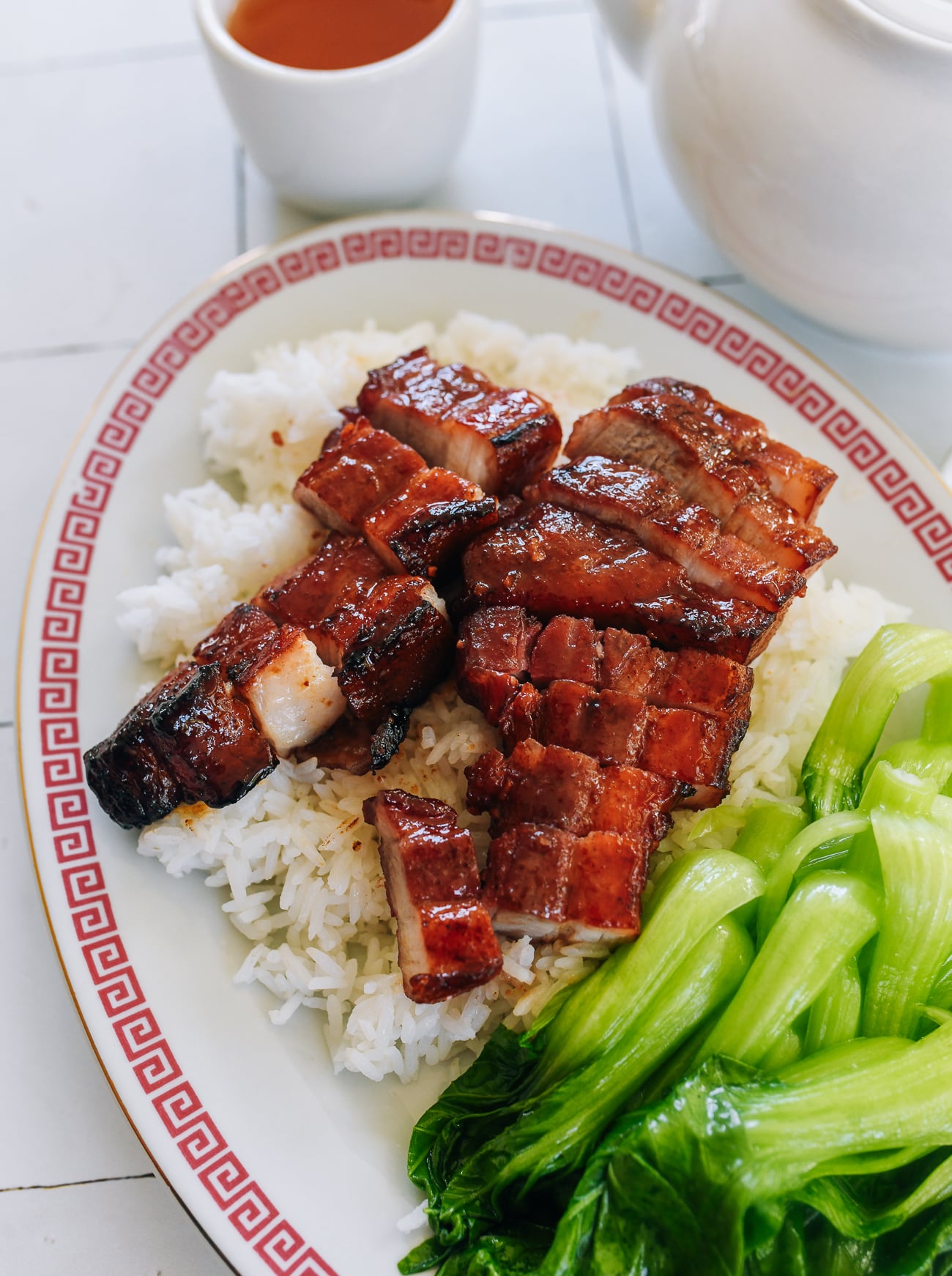
pork belly char siu recipeThere’s something special about Pork Belly Char Siu that goes above and beyond a traditional roast pork char siu.  Super-tender and decadent, pork belly roasts up beautifully and just melts in your mouth! Serve it over a plate of steamed rice with a simple side of blanched greens, and you have a simple but outrageously delicious meal. It […]
  •  

St. Paul Sandwich 

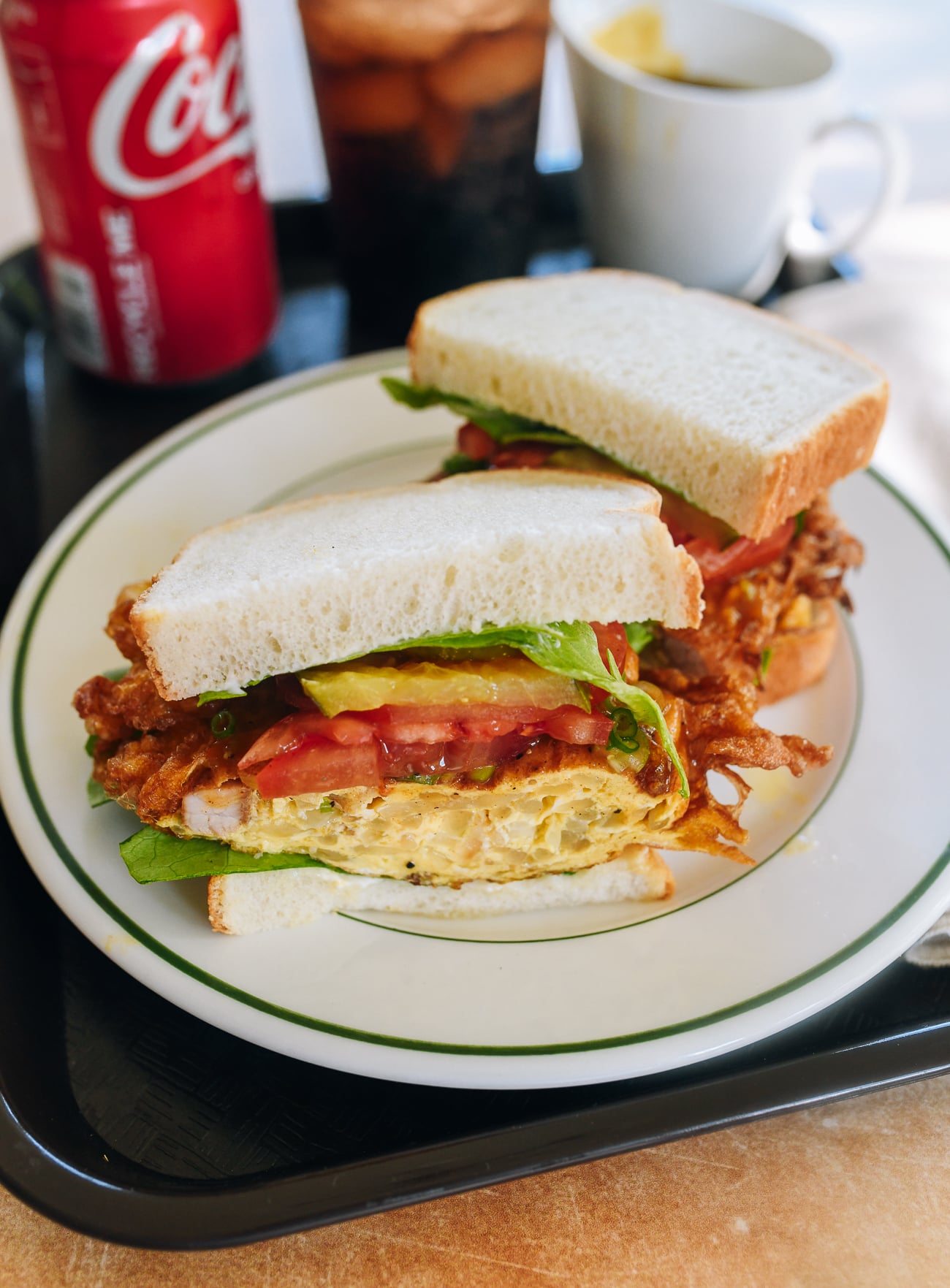
St. Paul Sandwich recipeThe St. Paul Sandwich is a uniquely American creation, ironically originating in St. Louis, Missouri. It’s an Egg Foo Young patty sandwiched between white bread, with mayo, lettuce, tomato, and pickles, and it is glorious!  We recently decided to put The Woks of Life spin on it, with a step-by-step recipe and a new YouTube […]
  •  

Moo Shu Pork

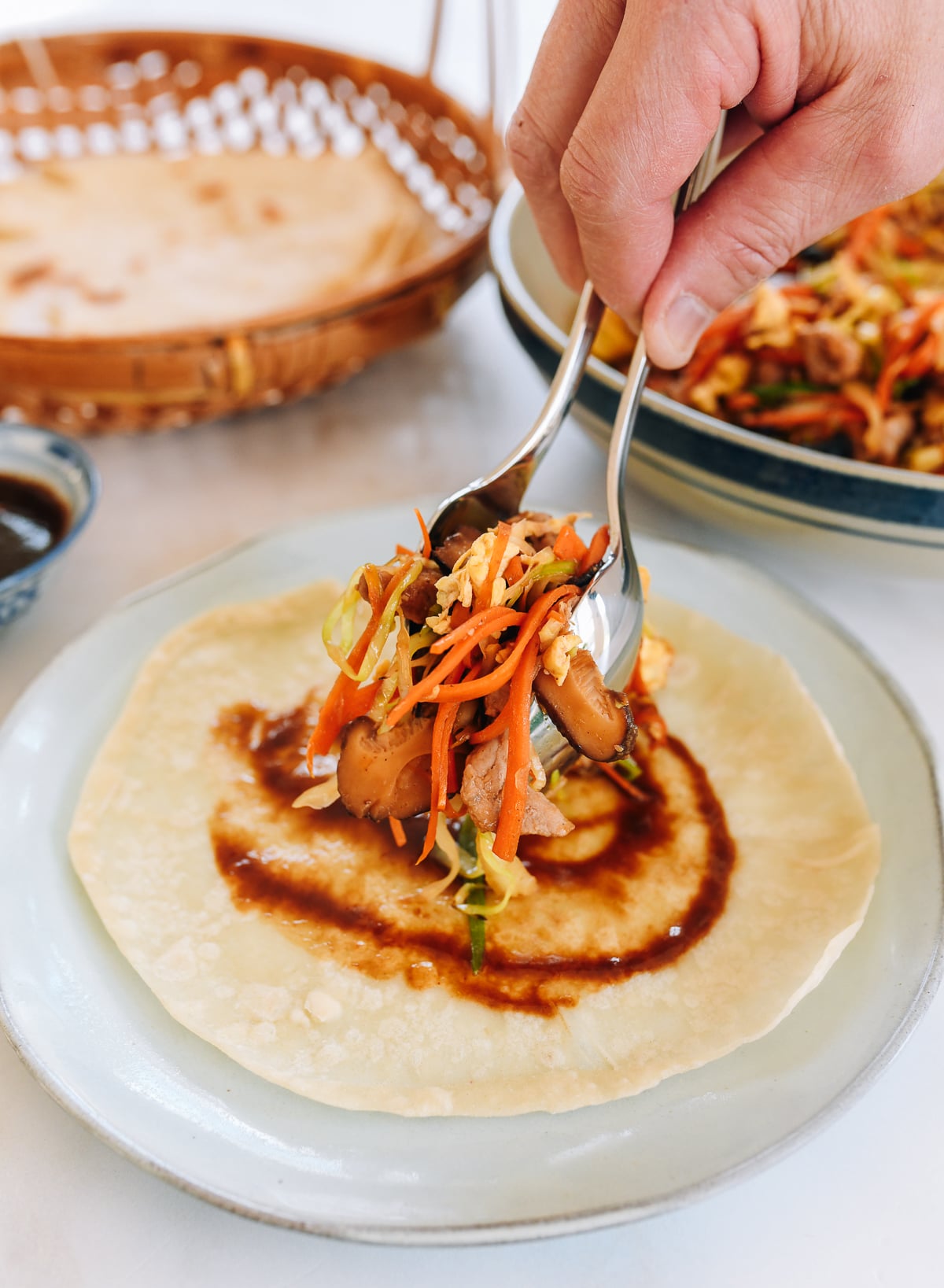
Moo shu porkMoo shu pork is an iconic Chinese restaurant dish of stir-fried pork, cabbage, carrots, and mushrooms, served on paper-thin, chewy pancakes with a sweet hoisin-based sauce. It is an absolutely delicious combination, and this moo shu pork recipe will yield that nostalgic flavor from American Chinese restaurants past.  Moo Shu Memories Fun to eat and […]
  •  

Ayam Kecap, Indonesian Braised Chicken

ayam kecap recipeAyam kecap is a popular Indonesian chicken dish made with kecap manis — a sweet dark soy sauce — and a unique blend of spices including fresh ginger, garlic, shallots, makrut lime leaf, galangal, coriander, and clove. Although we have never been to Indonesia, we love the flavors of Indonesian food, and many Indonesian dishes […]
  •  

Wor Shu Duck

Wor Shu DuckWor Shu Duck, also called Mandarin Pressed Duck or Almond Pressed Duck, was a popular Cantonese dish in Chinese and Polynesian-themed restaurants in the United States in the 1950s-1980s (right alongside the famous Pupu Platter).  Known as wor shu opp in Cantonese, this dish is now seldom seen on menus. We’ve gotten countless requests for […]
  •  

Beef Chow Mein

Beef Chow Mein RecipeBeef chow mein is a delicious Chinese dish made with thin, chewy noodles, seared flank steak, and crisp-tender vegetables. Pull off restaurant-quality beef chow mein right in your own kitchen with our step-by-step recipe, all brought together by the rich savory depth of Chinese light and dark soy sauces! We also put together a YouTube video […]
  •  

Nasi Goreng (Indonesian Fried rice)

nasi gorengNasi Goreng is the beloved national dish of Indonesia, an Indonesian fried rice with aromatic shrimp paste, sweet soy sauce, and savory elements like garlic and fried shallots. This Nasi Goreng recipe isn’t your average takeout fried rice, but a complex, smoky, and deeply satisfying dish. What Makes Nasi Goreng Different? Nasi goreng literally means […]
  •  

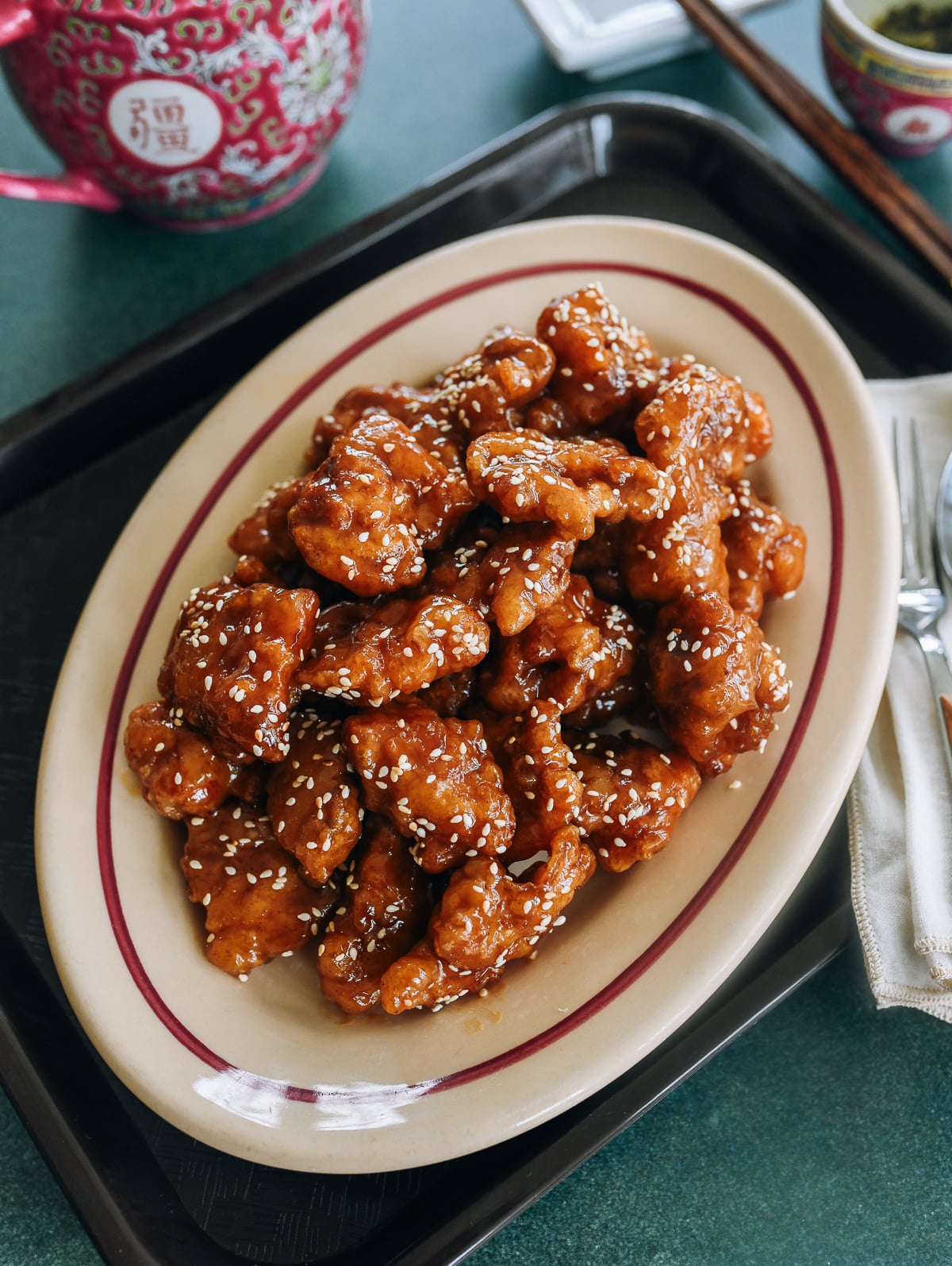
Firecracker Chicken

Firecracker chicken recipeFirecracker chicken is an Americanized Chinese takeout dish consisting of crispy chunks of batter-fried chicken and a sweet-spicy sauce.  While my parents once owned a Chinese takeout restaurant, I had never encountered this dish until recently. After trying it at a large fast casual Chinese takeout chain, I decided to create my own version! A […]
  •  

Beef with Mushrooms and Bamboo Shoots (双冬牛肉)

Beef with Bamboo Shoots and MushroomsBeef with Mushrooms and Bamboo Shoots, or 双冬牛肉 (shuāng dōng niúròu) is a hearty Chinese dish. The literal translation is “double winter beef,” where “double winter” refers to two ingredients: winter shiitake mushrooms and winter bamboo shoots.  While this is a seasonal dish, you can find winter bamboo shoots canned or in the freezer section […]
  •  

Chow Har Kew (Stir-fried Crispy Shrimp with Vegetables)

Chow Har KewChow Har Kew is a luxurious version of a Chinese Shrimp and Vegetable stir-fry, with crispy, golden shrimp! Deep-frying meats or proteins—in this case large shrimp—and then tossing them in a velvety sauce makes a Chinese-banquet-worthy dish.  The name Chow Har Kew is the way this dish usually appears in English on Chinese restaurant menus, […]
  •  

Chinese consul general removed after arrest of former New York staffer, Hochul says


ALBANY, New York — The Chinese consul general in New York has been removed, New York Gov. Kathy Hochul said Wednesday — a day after her former gubernatorial staffer Linda Sun was arrested on charges involving alleged aid to the Chinese government.

“I was just on the phone at the request of Secretary of State Blinken, speaking with a high-ranking State Department official, and I conveyed my desire to have the consul general from the People’s Republic of China in the New York mission expelled,” Hochul said at an event in Manhattan. “And I have been informed that the consul general is no longer in the New York mission.”

Hochul didn’t offer any additional details, saying she was “momentarily out of this room” when a return call came.

But after her event, State Department spokesperson Matthew Miller said in a briefing that “the consul general was not expelled” by the United States government.

"Our understanding is the consul general reached the end of a regularly scheduled rotation in August, so rotated out of the position,” Miller said. “When it comes to the status of particular employees of a foreign mission, I’d refer you to the foreign county to speak to it. But there was no expulsion action.”

An attempt to reach the office of Consul General Huang Ping was unsuccessful.

Sun was arrested on Tuesday. She faces 10 criminal charges centering on allegations that she used her position in the governor’s office under Hochul and her predecessor, Gov. Andrew Cuomo, to boost the Chinese government.

Sun is accused of collecting payments to help shape the state’s messaging around Taiwan and encourage meetings between New York’s leaders and Chinese officials. At one point, she allegedly forged Hochul’s signature on a letter inviting a Chinese trade delegation.

The governor declined to weigh in Taiwan's autonomy Wednesday, saying she’d leave such matters to President Joe Biden's administration. But she said she “requested the State Department to take appropriate action in response to the dangerous and outrageous actions taken by the People’s Republic of China, and they are involved.”

Sun was brought into the executive branch by Cuomo. She was promoted to deputy chief of staff by Hochul soon after she took office in 2021.

Hochul on Wednesday repeatedly highlighted the fact that Sun was hired by Cuomo and brushed her off as a “mid-level employee” in her administration.

“Her access to information was fairly limited,” Hochul said. “We’re talking about correspondence and invitations and information like that.”

A review of the governor’s schedules indicates that Sun was in the room with Hochul for publicly disclosed meetings on 22 occasions from the time she took office in August 2021 through May 2022.

That included a 2021 meeting where the only attendees were Hochul, Sun and Huang, the consul general.

Sun also participated in a meeting that year between Hochul and Irish Taoiseach Micheál Martin.

Hochul brushed off requests from Republicans to launch a state investigation into the Sun matter.

“There was a very thorough investigation done by the Eastern District of New York,” she said. “The length of their indictment is quite voluminous and impressive.”

She added that it would be “quite expensive” to conduct another investigation and said she doesn’t see a need to overhaul the way the state screen employees.

“I feel confident in our vetting practice right now,” the governor said. “We have very high levels of background checks. They take an enormous amount of time — they will go back basically to people’s kindergarten activities.”

Maya Kaufman contributed to this report.

  •  
❌