Reading view

Sorry, Boy George. AI can’t even make bad art

Writing something is a bit like polishing rocks. You start with an ugly hunk of something, a phrase or an idea you’ve tripped over. It rattles against the hard edges of your brain until it gets polished and smooth. Moving the rock through finer and finer grits is time-consuming, strenuous and not always rewarding. Sometimes, the lump becomes a slightly smaller and shinier lump, marginally less ugly than it was on the ground. But like exercise and tough conversations, the process is the point. You feel better for having gone through the ritual yourself.

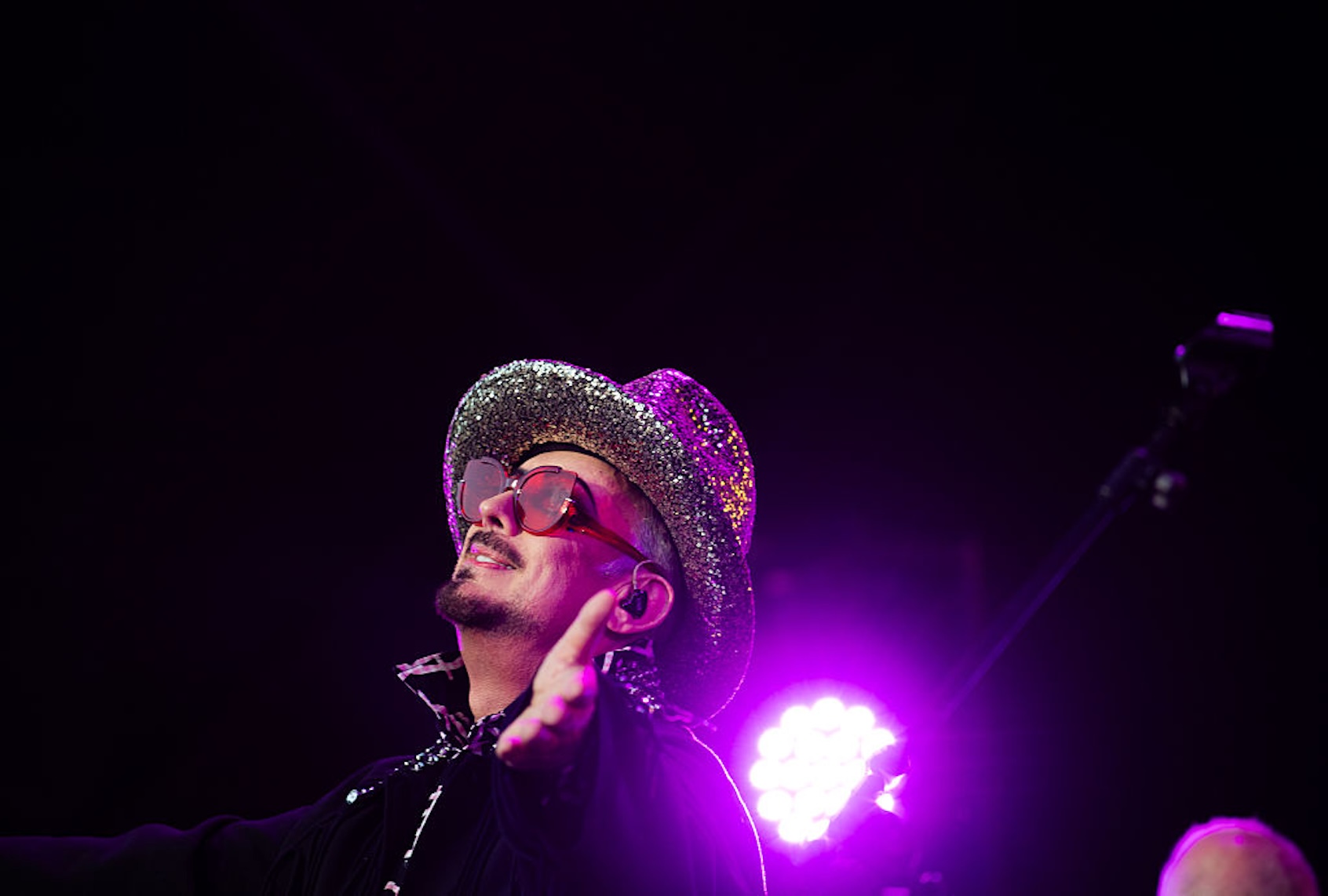
Boy George didn’t get the memo. 

The former Culture Club frontman, whose voice adorned New Wave pop hits like “Karma Chameleon” and “Do You Really Want to Hurt Me” in the 1980s, had artificial intelligence spew out an unfortunate reggae song last week that turned out to be a statement of support for Israel’s ongoing war in Gaza. “You say genocide, I say war,” the song, titled “We Will Dance Again,” starts, and the lyrics seem to revel in the ugliness of the ongoing violence in Gaza. The tens of thousands of Palestinian deaths, the song claims, are “what the military’s for.” 

Obvious AI tells throughout this track make clear that Boy George hasn’t just gotten lazy, he’s also lost the quality of discernment. The song’s meter is odd, and its lines are overstuffed. There are no interesting choices, no glimpses of an artist’s vision. It’s a hollow provocation over a royalty-free riddim. 

Against that backdrop, a song defending and celebrating the Israeli military is nasty work, no matter who made it. The fact that no one made it, that it’s the creation of a machine that hallucinates in exchange for electricity, only intensifies the sick, empty feeling the track leaves behind. 

Since Hamas militants attacked Israeli military installations and civilians on October 7, 2023, the ensuing war in Gaza has left more than 73,000 Palestinians dead. The United Nations has called Israel’s campaign a genocide. The International Criminal Court has issued an arrest warrant for Benjamin Netanyahu, accusing the Israeli prime minister of crimes against humanity. Attacks on Gaza continue despite a ceasefire deal. Against that backdrop, a song defending and celebrating the Israeli military is nasty work, no matter who made it. The fact that no one made it, that it’s the creation of a machine that hallucinates in exchange for electricity, only intensifies the sick, empty feeling the track leaves behind. 

The track’s release has been a disaster for George. He split acrimoniously from Tony Pontius, the long-time manager of his record label BGP, because of Pontius’ refusal to release the song. A planned role as King Herod in a production of “Jesus Christ Superstar” was put on ice. Spotify pulled the track down for violating its restrictions around AI-generated music. Bandcamp followed soon thereafter. Boy George has dug in his heels in recent days, calling the platforms a “bunch of c**ts” as part of a steady stream of Instagram posts. His doggedness would be almost admirable, if “We Will Dance Again” wasn’t so lazy. 

In releasing the track, Boy George presumably wanted to turn heads, to make a statement. But he didn’t want to do any work. He didn’t want to record multiple vocal takes of lines he supposedly wrote and believes in. He didn’t want to arrange actual instruments to better emphasize his lyrics and pro-war stance. He didn’t want to mix the track carefully to refine his statement. He could have made something that shimmers, a piece of true pop that expresses repellent ideals. It wouldn’t have been the first. 


Start your day with essential news from Salon.
Sign up for our free morning newsletter, Crash Course.


Merle Haggard’s iconoclastic “Okie From Muskogee” is considered a country classic, even though the sentiment is about as far from mainstream American thought in 2026 as can be imagined. When even right-wing commentators are pushing microdosing as a path to self-betterment, his disparaging remarks about longhairs taking LSD come off as impossibly square. But you can hear the heart in Haggard’s leathery vocals, buoyed by the sweet harmonies of his backing band. Haggard waffled over the years on whether the anti-hippie hardliner anthem was a satire  of the crew cut set or a genuine tribute to his conservative father. Either way, Haggard sounds like he believes what he’s saying, regardless of whether that’s true, because of the time and effort he spent working out the song.

With 2013’s “Blurred Lines,” Robin Thicke and Pharrell set out to make a groovy single in the vein of Marvin Gaye. Though the song has been relegated to the dustbin following a widespread critical backlash and later allegations of sexual assault against Thicke by model and actress Emily Ratajowksi, who appeared in the song’s video, they were extremely successful. The song itself, creepiness aside, is a Swiss watch of a partystarter. Pharrell’s ad-libs and inserts interrupting the groove at perfect intervals to wake up the dancefloor. They arguably did too good a job recreating the shuffling, glass-clinking percussion of 1970s cocktail party classics, as they lost almost everything they’d made from the song in a subsequent — and successful — lawsuit from Gaye’s estate.  

“We Will Dance Again” does none of that. It warrants no qualifiers, no deeper thought, because Boy George clearly didn’t think too hard about it himself before spitting it out into the world. He asked a machine to build him a song to support what many consider to be an ongoing genocide. When it offered him half a song, he said, “Good enough” — without even bothering to run it through a few rounds of polishing. I regret to inform you that, in 2026, Boy George won’t even tumble for us.  

The post Sorry, Boy George. AI can’t even make bad art appeared first on Salon.com.
  •  

“That’s the best you got?”: El-Sayed brushes off right-wing Islamophobia after Michigan primary win

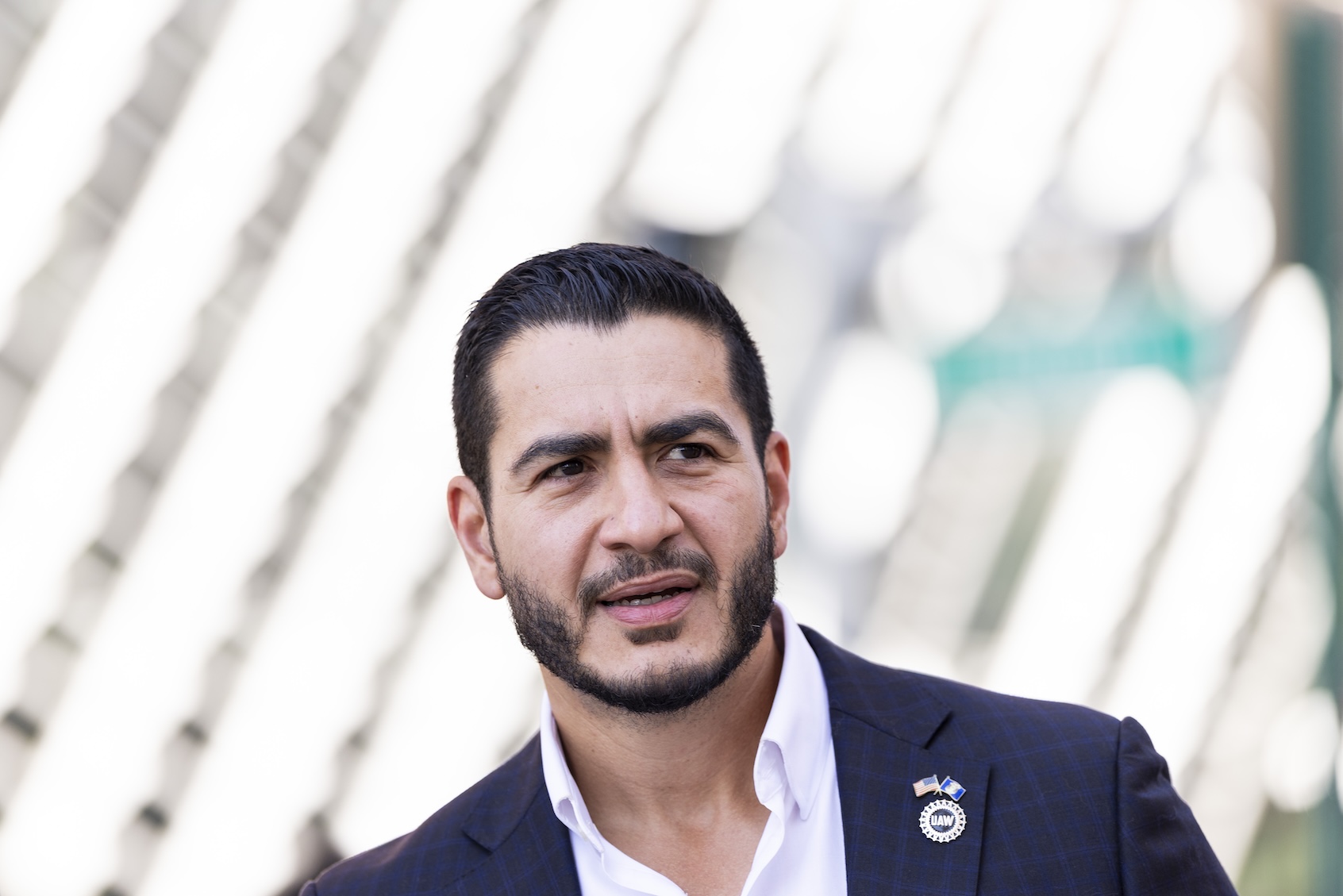
Abdul El-Sayed isn’t worried about Islamophobic attacks on the campaign trail. 

The progressive Democrat who just won a hotly contested primary in Michigan told reporters on Wednesday that he’s willing to take smears on the chin, saying that name-calling and bigotry is “the only play” in his opponents’ playbook.

“That’s the only play they got,” he said. “They’re going to point at me. They’re going to point at my name like, ‘Well, he’s different.’ That’s the best you got?”

The former public health director has stuck to a platform centered on affordability at home and an end to foreign entanglements. He said that Islamophobia is a cop-out because his opponents don’t want to debate substantive issues. 

“You can’t actually talk about what you want to do?” he said. “My name is not raising your gas prices. My name is not taking us to war. My name is not the reason you can’t afford groceries.”


Start your day with essential news from Salon.
Sign up for our free morning newsletter, Crash Course.


El-Sayed will face Former Republican Rep. Mike Rogers in the upcoming midterms. He encouraged Rogers to come up with a better line of attack than his identity, because he doesn’t think his Michigan voters will bite.

“I’ve been an Abdul in Michigan my whole life. This is the best place in the world to be Abdul,” he said. “Michiganders are big-hearted, they’re open-minded… [They’re] sick and tired of BS politics coming in to divide us.”

The post “That’s the best you got?”: El-Sayed brushes off right-wing Islamophobia after Michigan primary win appeared first on Salon.com.

  •  

“Last chance before decapitation”: Trump threatens Iran over stalled peace talks

President Donald Trump continued to claim the United States and Iran were in active peace talks on Monday, despite denials from Iranian and U.S. officials. 

“Iranian Leadership is unbelievably duplicitous!” Trump wrote on Truth Social. “They ask for a meeting, some would say’ beg,’ talks begin, with more scheduled in the immediate future, and they say, openly and proudly, that they’re not having any discussions, that nothing is being talked about, and they’re only dealing with ‘Oman.'”

Trump told reporters over the weekend that Iran came to the U.S. hat in hand to avoid further airstrikes. The president said that the Pentagon had planned “the biggest attack since World War II.”

“It would have been disastrous for them,” he said. “They didn’t want us to do it, and frankly, Saudi Arabia didn’t want it either.”

Iranian officials denied any such communication and said they had no planned talks with the U.S.  

“We currently do not have negotiations with America,” Foreign Ministry spokesperson Esmaeil Baghaei shared, per NBC News.


Start your day with essential news from Salon.
Sign up for our free morning newsletter, Crash Course.


Trump called the denial a bit of “their usual bather.” He said that Iran needs to reach a deal with the U.S. or surrender unconditionally. Speaking to a reporter in the Oval Office on Monday, Trump said he was offering Iran “every last chance before decapitation.”

“Very tough to do what we have planned, still planned,” he said. “We’ll see what happens.”

The post “Last chance before decapitation”: Trump threatens Iran over stalled peace talks appeared first on Salon.com.

  •  

Gillian Welch’s “Everything Is Free” warned us all along

No popular music genre despises the present as much as country music. Through quirks of form and function, all other radio-ready music is incredibly focused on its immediate surroundings. Pop has trendiness in its very bones, and its songwriters’ striving for universality tends to create songs focused on broad, current feelings: the sharp sting of a fresh heartbreak, the effervescence of new heartbreak, the joy of dancing in this club right now. 

Rap is usually made quickly by impossibly young stars for an equally young audience, so it tends toward today’s fashion. Micro-trends in production, slang and topics come and go quickly. Last month was another era. Last year might as well be prehistoric.

Country music, though, is a different animal, born out of the urban migration of the 1930s as a way to sell a slice of an idealized past on wax to newly minted city-dwellers longing for home. Sonic trends — from the slick countrypolitan in the 1970s to the neo-traditionalist 1990s and on through the trap-indebted 2010s —  have come and gone. Demographics on the dial have shifted. Stars are younger and more male than they’ve ever been. But that focus on greener pastures is as persistent as the apparent blood feud between Texas and Tennessee. 

The average country listener wants to have their past misremembered for them, whether it’s the Judds asking Grandpa about the good old days or Tim McGraw missing the nebulous “back when.” The biggest hits sand down the rough-hewn edges of Mama’s metaphorical front porch to up their resale value, perhaps never funnier than Luke Bryan’s bullet-point summer vacation on “Fish, Hunt, Golf, Drink.” All that cornpone Luddism floating around made Gillian Welch’s “Everything Is Free” feel remarkable upon its release 25 years ago.

The concerns of the track from 2001’s “Time (The Revelator)” are topical and immediate. Welch responds to the then-new phenomenon of online music piracy with practical concerns. How am I going to pay my bills if no one wants to pay me for my music? How do I put gas in the car right now? Nearly a decade before the launch of Spotify, Welch saw clearly that someone was bound to “hit the big score” off of the new model — it just wouldn’t be her.

“Everything is free now, that’s what they say. Everything I’ve ever done, gonna give it away,” she sings, before immediately shifting toward plans to make money elsewhere so that she can keep performing.

A quarter century on from the song’s release, the U.S. economy is overrun with people who believe that nothing should come with a price tag.

A quarter century on from the song’s release, the U.S. economy is overrun with people who believe that nothing should come with a price tag. The finance industry is dominated by private equity firms that offload the debt of their corporate acquisitions onto other companies, the better to walk away clean when those companies collapse. The biggest players in Silicon Valley are building data centers to more efficiently run copyright-infringement machines built on terabytes of pirated material. 

The journalism industry was hollowed out by the same forces that sliced up Welch’s catalog, leaving few journalists to report on the graft and theft this post-payment class of billionaires are carrying out across the country. The Jeff Bezos-owned Washington Post, once a world-class newspaper, has turned into a shell of its former self following a conservative reorientation of its opinion pages and a corporate downsizing that saw over 300 of newsroom journalists laid off in February, representing about 30% of its total staff.


Start your day with essential news from Salon.
Sign up for our free morning newsletter, Crash Course.


More recently, Louisiana officials recently inked a secret agreement with Meta to build a five-mile-long data center in the state. The New York Times eventually sniffed out the backroom deal. The local papers were too busy covering the hors d’oeuvres at Mark Zuckerberg’s celebratory luncheon.

At the same time, the ham-fisted hollowing out of regulatory agencies by the Trump administration has had predictable results. Outbreaks of new livestock diseases, parasitic produce and slower responses to global crises followed the Department of Government Efficiency’s wild budget-slashing even as Elon Musk, the man who helmed that project, is richer than anyone else in the history of earth — and he’s gearing up to throw millions into the 2028 presidential and congressional elections.

It would be a stretch to say that Gillian Welch saw all this coming. But listening back now, it’s hard not to marvel at how timeless this timely track feels. You can’t help but sympathize with her desire to skip the coming crisis in her industry. She “never minded working hard,” she sings, but she had a lot of concern about “who I’m working for.” Seeing into the future that she’d soon be asked to work for pennies while someone else got obscenely rich, she passed.

“If there’s anything you want to hear,” she says, “you can sing it yourself.” 

If only we all could have opted out in a similar fashion.

The post Gillian Welch’s “Everything Is Free” warned us all along appeared first on Salon.com.

  •  

“People are sick of Rahm Emanuel”: Sanders says progressive wins make Dem establishment “nervous”

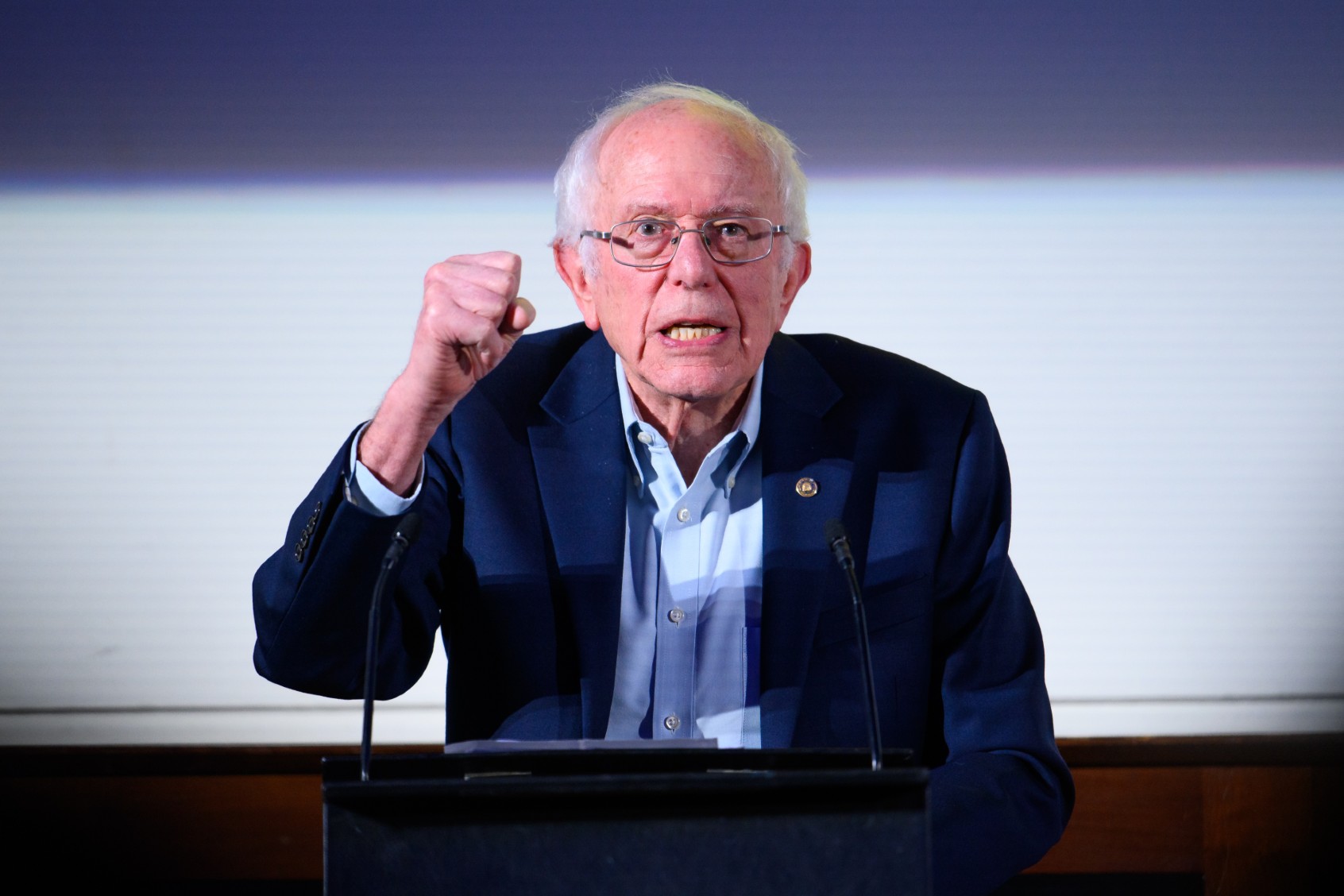
Bernie Sanders doesn’t want to hear from Rahm Emanuel, and he’s pretty sure the average voter doesn’t want Emanuel’s opinion either. 

The former Obama administration insider and Chicago mayor published an opinion piece in the Wall Street Journal earlier this week, chiding progressive candidates for poisoning the well with supposedly unpopular policy positions ahead of the 2026 midterms. Speaking to CBS‘ “Face The Nation” on Sunday, the independent senator from Vermont pushed aside Emanuel’s concerns, saying that he’s just “nervous” because anti-establishment Democrats keep winning. 

“[Emanuel] no doubt has the support of millions of working class people,” Sanders joked. “There’s no debate. There is a strong division within the Democratic Party.”

Sanders went on to paint that schism as the divide between people like Emanuel, who are “dependent on billionaire campaign contributors” and upstarts like New York City mayor Zohran Mamdani.

“What is getting these guys nervous is we are winning all over this country,” he said. “People are sick and tired of the Rahm Emanuels and the Democratic establishment.”

Sanders pegged voter disaffection on the increasing difficulty and cost of living in the United States.

“People are asking simple questions,” he said. “Why in God’s name are we the only major country on Earth not to guarantee healthcare to all people? …Why do the economists tell us that in the richest country in the history of the world, our kids will likely have a lower standard of living than their parents?”

“People are tired and they want real change,” he said.

Bernie Sanders: "People are sick and tired of the Democratic establishment and the Republican establishment … the American people are tired of a rigged economy, a corrupt campaign finance system. They want real change. They don't want Rahm Emanuel and the establishment… pic.twitter.com/7fHrXxuYX4

— Aaron Rupar (@atrupar) July 26, 2026

Elsewhere in the interview, host Margaret Brennan asked Sanders about one candidate that he endorsed. Graham Platner dropped out of the Senate race in Maine following accusations of sexual assault. She wondered if Sanders felt he should have pushed Platner to leave the race sooner, given earlier scandals that dogged the Platner campaign.


Start your day with essential news from Salon.
Sign up for our free morning newsletter, Crash Course.


“I don’t think so,” Sanders said. “When we heard the serious allegations … I asked, along with virtually all of his other supporters that he should get out of the race, and he did.”

The post “People are sick of Rahm Emanuel”: Sanders says progressive wins make Dem establishment “nervous” appeared first on Salon.com.

  •  

Republicans want a Smithsonian that skips history’s hard parts

Your chances of running into a marketer at a neighborhood bar are slim but never zero. Given the remote-capable nature of the work and the continued growth of their economic sector, marketers have spread across the U.S., making the most of their relatively high salaries by moving away from the more expensive coastal centers of industry.

By and large, they’re lovely people. But I live in fear of the moment when the conversation takes that dreaded turn toward the last redoubt of small talk: What do you do? Posed with that question, any halfway enthusiastic marketer is likely to let loose a litany of acronyms and jargon that cause a physiological response in listeners, or at least in me — a glazing over of the eyes that is instant and unavoidable. As with Microsoft Outlook, the board game CATAN and the rules of hurling, there’s something there I can’t bring myself to grasp, a Lovecraftian boredom that lies just beyond the borders of what I can perceive.   

I’m not one of those rubes who thinks a job is unimportant just because I can’t make sense of it. My lack of understanding of aircraft engineering doesn’t make the people who design them any less valuable, and the same goes for marketers. I’m sure these people act on the world and see it changed in ways that bring them fulfillment. Their employers presumably think it’s a fair trade. It might all sound like gibberish to me, but that doesn’t mean it’s fake. Sometimes, you just have to accept that you’re talking to an expert who is speaking in terms beyond your ken.

But this is not how the modern conservative movement operates. From the “What is a woman?” wing of YouTube provocateurs to the snowball-holding, climate change deniers on the floor of Congress, Republicans reject the idea that experts might know more than them. You see it in the pushback against the medical consensus on how to treat trans youth. It’s there in the Trump administration’s constant attacks on institutions of higher learning. To the GOP, any discussion of U.S. history that doesn’t reach the same conclusion as a Ram truck ad is nothing more than woke nonsense.

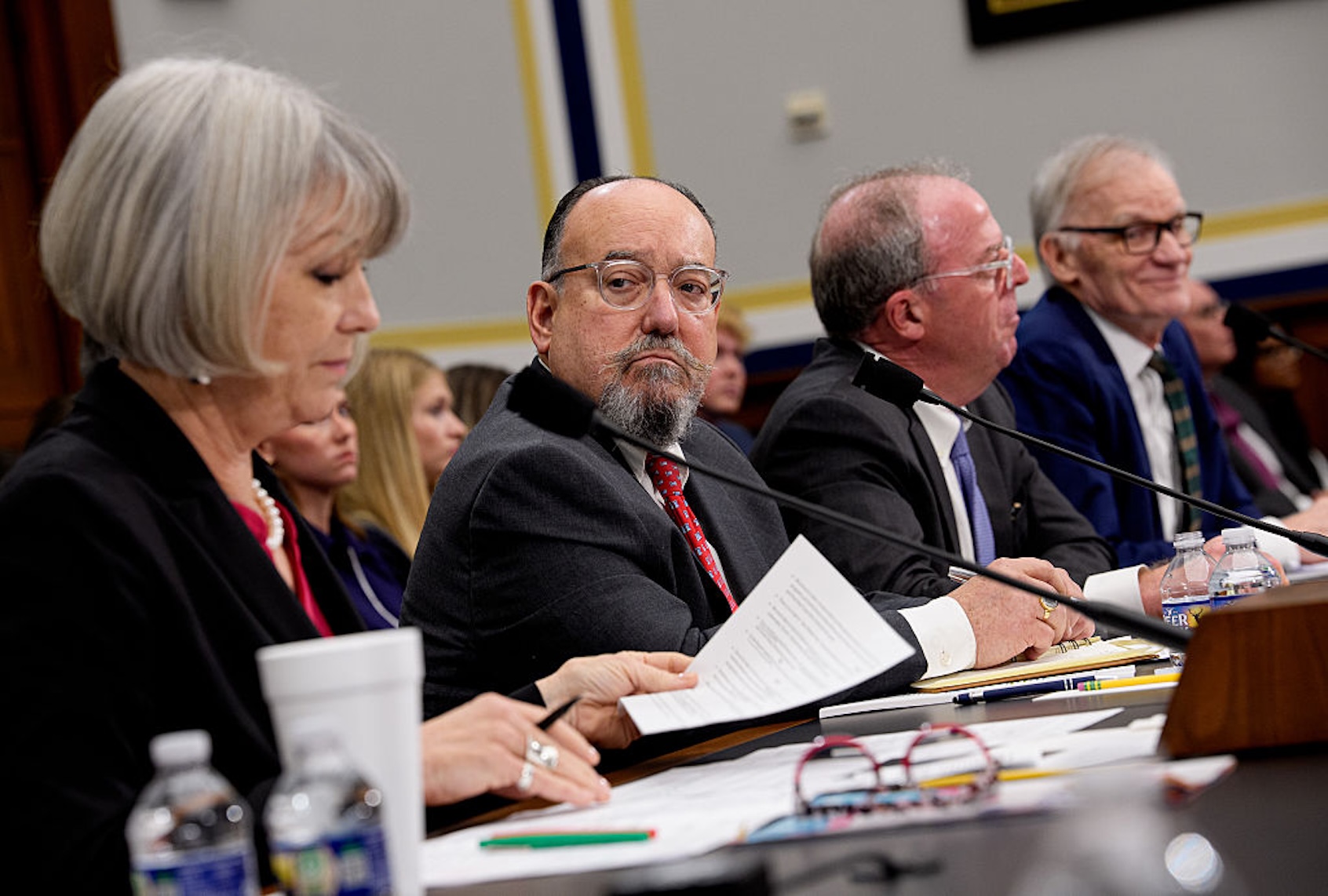
That’s the pretense that brought Anthea Hartig, an historian and the director of the Smithsonian Institution’s National Museum of American History, before a House committee on Tuesday. Hartig’s grilling was a chance for Republicans to score points with simple, black-and-white questions about the past that no historian could answer succinctly.


Start your day with essential news from Salon.
Sign up for our free morning newsletter, Crash Course.


Rep. Brandon Gill, R-Texas, interrogated Hartig over the museum’s assertion that Mickey Mouse drew inspiration from blackface minstrelsy. Reducing the idea to the point of absurdism, Gill asked Hartig if the cartoon character on countless children’s backpacks was “racist.”

“It’s rooted in minstrelsy,” she replied.

Any close examination of the design of Walt Disney’s most famous creation makes it obvious. The white gloves are an obvious tell, even before you even get to early film shorts that the House of Mouse would rather you forget or overlook altogether. There’s a direct line between much of American pop culture and the minstrel show, and pointing that out doesn’t mean that the country or the character are irredeemable. 

Hartig pointed this out in her testimony. “We tell the truth about the times that the country fell short of its own founding ideals,” she said. “Telling our story fully is a form of respect for the American people and a commitment to constantly being in pursuit of a more perfect union.” 

Explaining history is all about context; nothing happens in a vacuum. You could say that the United States lost its mind and elected a game show host in 2016, and that might even be satisfying. An historian would likely recommend a deeper dive into the backlash against former president Barack Obama and the uneven recovery from the global financial crisis that he oversaw. Other historians might place Trump in the context of white rage and anti-immigrant sentiment. Hartig defended that drive to put moments in context because it’s what gets her up in the morning. It’s what she and countless other historians set out to do when they first started studying the past. They want to tell a good story, but with the added benefit of it being the truth. Republicans’ inability to grasp that, like my befuddlement at marketing-speak, doesn’t make what Hartig does any less real.

Of course, the more complicated view of the past advocated by the people who study it for a living will never fly with conservatives. They’re dead-set on excising any shagginess that doesn’t fit their hidebound worldview, attacking textbooks and museums that dare to push beyond a straightforward explanation. They want simple answers to simple questions, which is not what the true study of history — and America — offers.

The post Republicans want a Smithsonian that skips history’s hard parts appeared first on Salon.com.

  •  

The real reason conservatives hate Nolan’s “Odyssey”

The most-quoted line from Al Franken’s 2003 bestseller “Lies and the Lying Liars Who Tell Them” attempts to draw a distinction between conservative and liberal forms of patriotism. 

“Conservatives love America like a four-year-old loves his mommy. Liberals love America like grown-ups,” wrote Franken, a comedian who would, only five years later, would be elected U.S. senator from Minnesota as a Democrat. “To a four-year-old, everything Mommy does is wonderful and anyone who criticizes Mommy is bad. Grown-up love means actually understanding what you love, taking the good with the bad and helping your loved one grow.” 

Conservatives won’t tolerate any information that complicates their desire for flag-waving. The United States is a one-of-a-kind nation, and its history one of uninterrupted excellence. There’s no room for nuance and no time for reflection.

Twenty-three years on, the right still has that infantile view of America. Under the thumb of Donald Trump and his MAGA agenda, it has grown even more petulant. Conservatives won’t tolerate any information that complicates their desire for flag-waving. The United States is a one-of-a-kind nation, and its history one of uninterrupted excellence. There’s no room for nuance and no time for reflection. Any mention of the perverse institution of slavery or of the many bloody, pointless conflicts the nation has led or joined, particularly in the last 50 years, is treated by the right like a “Yo Momma” joke, an intentionally offensive attack on a saintly figure that could not and cannot do wrong.   

The difference between liberals and conservatives on this issue can be seen, oddly enough, in Franken’s disappearance from the national stage. Following accusations of sexual harassment, the former “Saturday Night Live” star and constant presence in left-of-center media was quickly pushed aside. Liberals could still enjoy Stuart Smalley skits and support Franken’s political positions, but many felt guilty about their past support for a man who arguably didn’t deserve it. In a word, they felt shame.  

You’ll find no such contrition on the other side of the aisle. On Monday, Trump’s border czar Tom Homan cemented his lackey status with the president when he told reporters that Americans shot by Immigration and Customs Enforcement agents in recent months got what was coming to them. Karl Rove, the man who helped cook up the lies used to justify a war that left more than a million Iraqis dead, still makes regular appearances on Fox News. He’s joined on the network by Oliver North who, as a National Security council staff member during the Reagan administration, illegally provided arms to Contra groups that carried out atrocities against civilians in Nicaragua. Henry Kissinger’s misdeeds in Cambodia couldn’t keep the College of William and Mary from appointing him chancellor. 

To the conservative mind, these men were working in service of American interests. Because America is great, their actions must be great, ipso facto, Q.E.D.

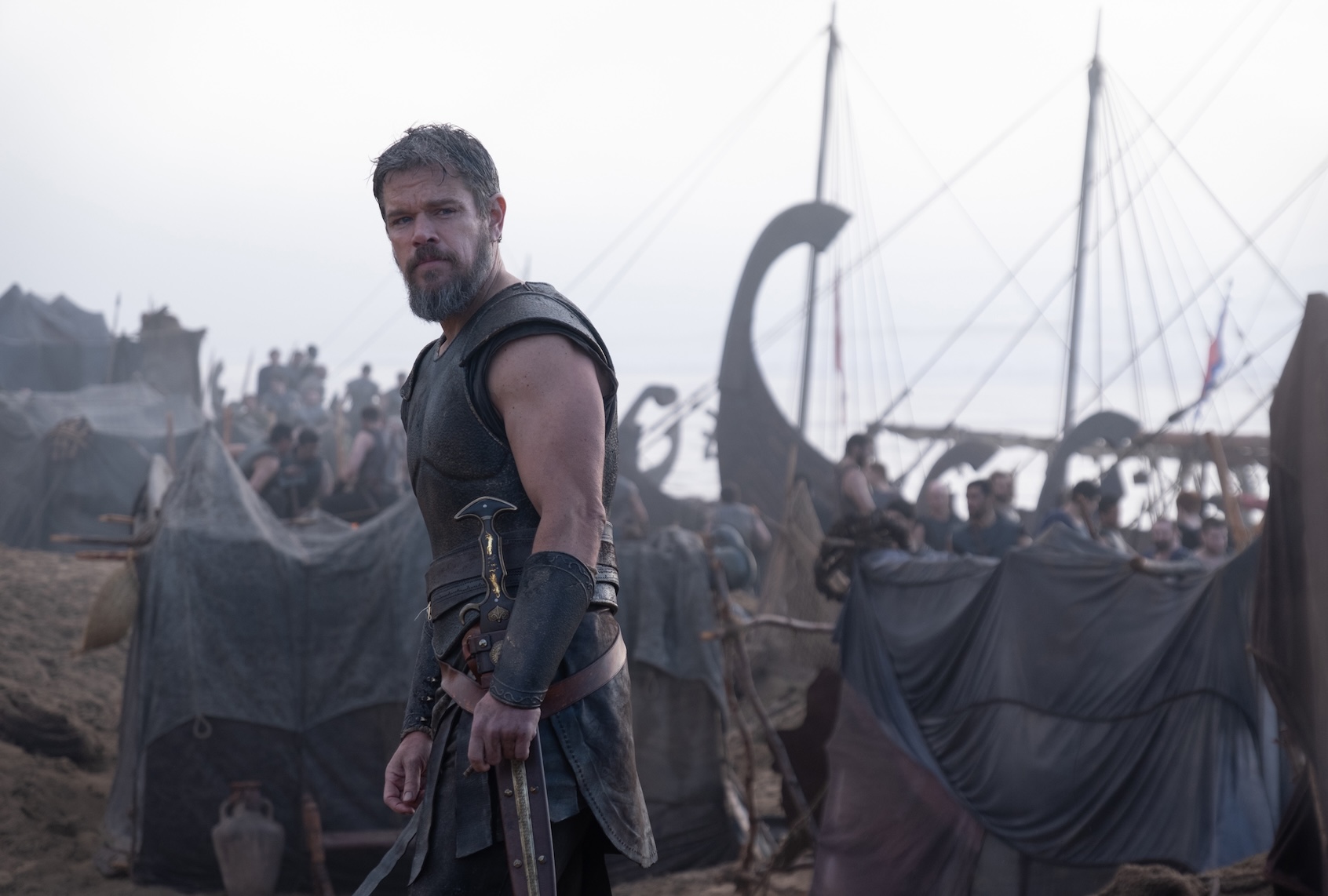
That sort of black-and-white thinking was always going to clash with the shades of gray in Christopher Nolan’s smash-hit adaptation of “The Odyssey.” In his retelling of Homer’s epic poem, Nolan imagines Odysseus as a man haunted by the sacking of Troy. His covert operation to sneak within the city walls was a betrayal of bedrock beliefs about honor and civility, a shameful act that brought humanity into a darker age. The king of Ithaca’s pride in his ingenious trick is steadily sapped by a series of cosmic punishments. He returns home in beggar’s clothes with a plan to pay penance to the scores of souls he unjustly sent to the underworld. 


Start your day with essential news from Salon.
Sign up for our free morning newsletter, Crash Course.


In true originalist fashion, conservatives spent the months leading up to the release of “The Odyssey” raging about Nolan’s decision to cast nonwhite actors in starring roles. Like the originalists on the Supreme Court, they’re largely making up their argument out of whole cloth and using the imagined thoughts of long-dead people as a fig leaf for their own prejudices.  

For these pseudo-historians, complicating Odysseus was another liberal assault on Homer’s tale. As a great king from a mythical age, at least in their view, any suggestion that Odysseus might feel a genuinely human reaction is heretical to the right-wing mind, a slight against their preferred bedtime stories. 

In a review for Fox News subsidiary OutKick that might as well have been written in crayon, Jon Root described Odysseus’ lingering guilt as “character assassination.”

“The new stories being told in this film mostly feel like . . . a complete betrayal of the source material that made so many of these characters worth investing in,” he wrote.    

At the end of the film, Matt Damon’s haggard Odysseus sails toward the unknown, accepting that he doesn’t deserve the comfort of a king. He’s uniquely responsible for ushering in an age of barbarism and will spend the rest of his life making amends in the fallen world he helped create. 

Kissinger, in contrast, defended the bombing of Cambodia until he died peacefully at the age of 100. In its obituary,  the William F. Buckley-founded National Review praised the former secretary of state as a man who spent his life tamping down turmoil. 

Sing to them, muse, of an uncomplicated man.

The post The real reason conservatives hate Nolan’s “Odyssey” appeared first on Salon.com.

  •  
❌