Chow Har Kew is a luxurious version of a Chinese Shrimp and Vegetable stir-fry, with crispy, golden shrimp! Deep-frying meats or proteins—in this case large shrimp—and then tossing them in a velvety sauce makes a Chinese-banquet-worthy dish. The name Chow Har Kew is the way this dish usually appears in English on Chinese restaurant menus, […]
Hello there! I’ve been gearing up for this for weeks, buying ingredients and thinking through what I wanted to share with you about a delicious and under appreciated fruit. Galloping toward Lunar New Year on February 17 — the Year of the Horse, I’ll be offering menu and cooking ideas for your celebration.
This time of year, people tend to lean into oranges and mandarins but pomelo is wonderfully complex, multidimensional, and fun. When you peel pomelo, the oils release to pleasantly perfume your hands and the air. The pith is plushy and makes a funny sound when you pull it away from the ball of fruit inside. Better yet is when you bite into pomelo’s flesh, you burst its juice sacs to release its mildly acidic, sweet flavor that carries just a hint of bitterness.
Pomelo is wondrous in many more ways than I’ve described, and nowadays, we’re lucky to have access to many kinds. Depending on where you shop, you can find pomelo grown in America, Vietnam, and/or China, for instance.
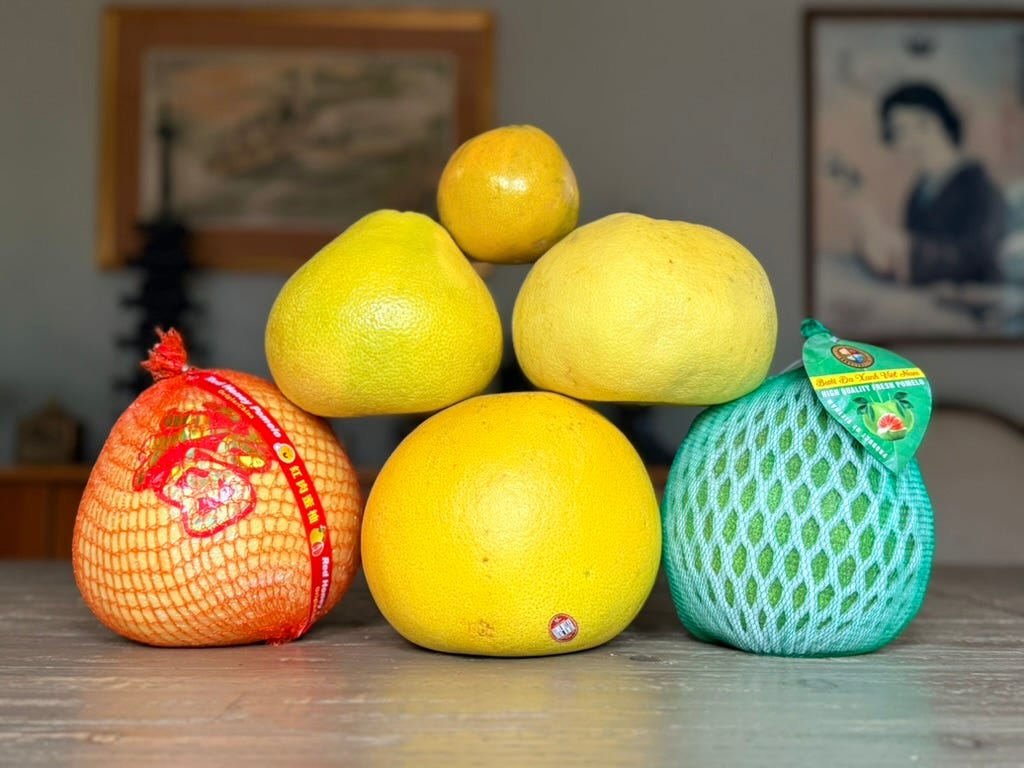
Three grapefruits atop three pomelos.
A lucky, healthful, royal fruit
The size of a volleyball, pomelos (Citrus maxima) symbolize many good things. They come into season in early autumn so Viet people often associate their big, round appearance with the Moon Festival, a time for gratitude and family reunions — completeness. When Lunar New Year rolls around, pomelo is further a regarded as a harbinger of prosperity. Many people include pomelo as an offering to their ancestors.
In Chinese, pomelo is yòu 柚, which sounds like the word to have 有 as well as the world for protection 佑. Combine all those homonyms and pomelo is win-win fruit. If you gift someone a beautiful pomelo, it’s like you’re presenting them with good luck.
In Vietnam, it’s more than just about homonyms. The Luận Văn pomelo grown in the central province of Thanh Hoa has deep rose colored flesh and skin. Its unique lucky red appearance and tasty flesh made it worthy enough to have been presented to royalty in the past. Nowadays, the Luận Văn pomelo is sold nationwide as the ‘royal tribute pomelo’; during Tet when people clamor for specialty foods, premium perfect pomelo can sell for as much as $10 each, which is pricey for Vietnam.
And, pomelo is pretty nutritious. It’s loaded with Vitamin C, fiber, antioxidants, and it may even help weight loss, fight anti-aging, and promote heart health. All that said, like with grapefruit, pomelo’s phytochemicals can cause some drug interactions so do be careful.
To kickstart 2026, I gifted myself extra healthful luck by buying three pomelo (called bưởi in Vietnamese)! Along with some grapefruit, our dining table has been full of golden-green orbs of citrus. The pomelos I’ve been buying, whether it’s from Whole Foods or a Chinese or Vietnamese market, are big boys — at least 2 pounds (1 kilo) each!
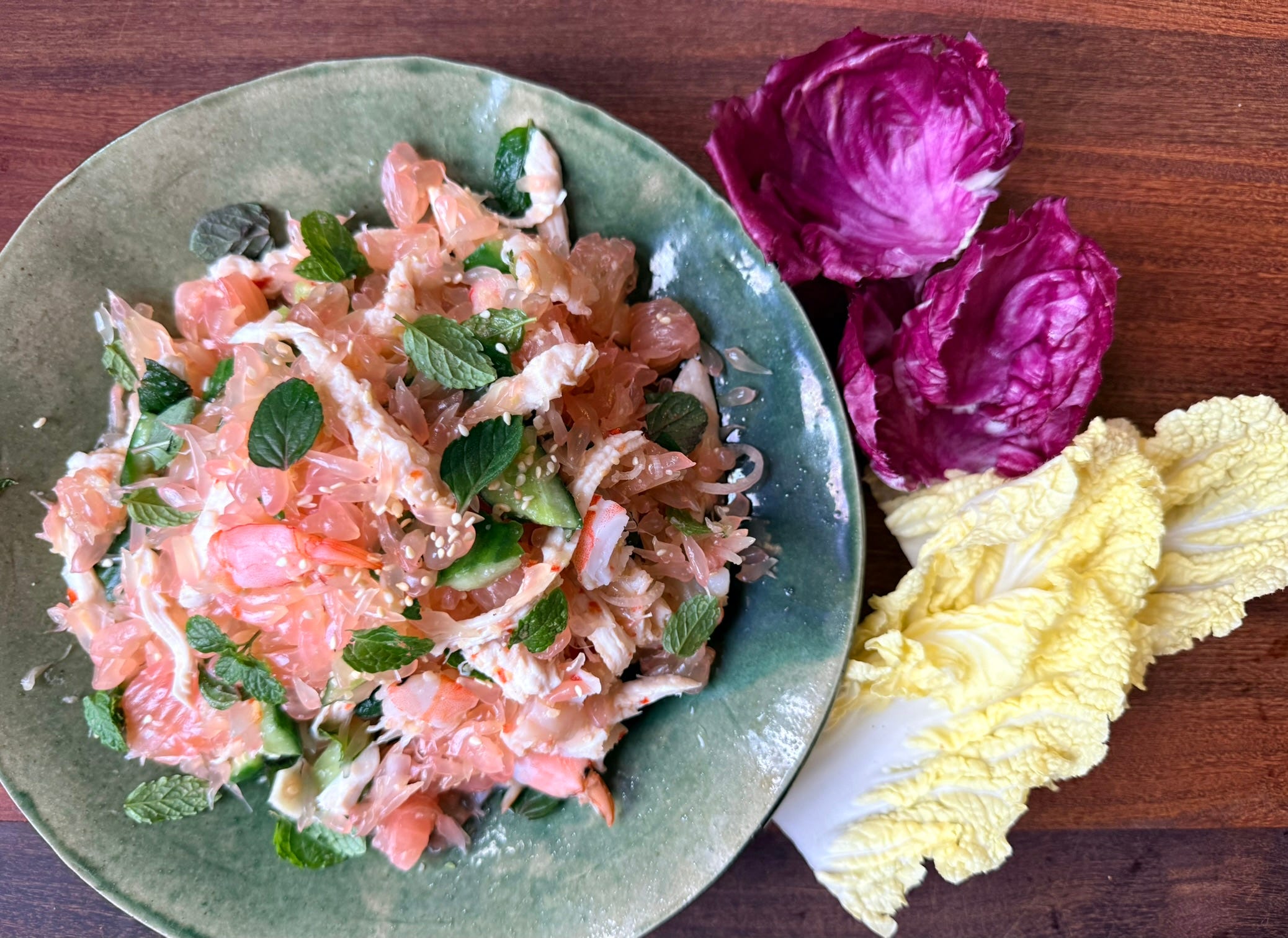
We eat pomelo as fresh fruit but I also make a Vietnamese gỏi bưởi salad. It’s a very special salad worthy of holiday celebrations and dinner parties. It’s easy to prepare and you can prep most of it in advance. However, you have to extract the pomelo flesh from the segments as clusters of juice sacs to allow pomelo to express its best flavors and textures. That’s what makes the salad unique.
Gỏi bưởi is not a salad of chopped or dressed leaves. Much of the prep is done with your finger to pull apart the juice sacs, which are jewel like. Prepping the pomelo requires about 30 minutes, but one pomelo yields enough to serve eigh people, though you could stretch it over the course of a couple days too! To encourage you, I made a how-to video to guide you along!
Made and served with ingredients sourced from Whole Foods, the farmer’s market, and my garden — just to prove that Viet food is doable! No Asian market required. This rendition with shrimp and chicken was dynamite.
Gỏi bưởi (“goy buoy”) used to be hard to prepare well because good pomelos were not available abroad. That has changed so I went to town to prepare the following for your success:
Detailed Vietnamese pomelo salad recipe (+ a downloadable PDF) that allows you to make it with or without meat
Video tips for prepping the pomelo
A pomelo buying guide so you can gauge the pros and cons between different kinds
A nifty quick way to cook shrimp and chicken breast so they’re flavorful and not overcooked (it’s fab for other dishes like shrimp cocktail!)
Pass the Fish Sauce connects cultures in the kitchen and at the table. The content of every dispatch is sponsored by paid subscribers so pitch in to make PTFS even stronger! In addition to this pomelo recipe and know-how, you’ll have access to a wealth of other recipes, tips, and travel information. No paywall will stand between us! Your support makes a big impact. 🙏
Lately we’ve felt like we needed to do some self-care and while every country has its good points and bad, Japan gets it right when it comes to the loo. So we finally bit the bullet and got a Japanese toilet, which — thanks to the magic of plumbing — upgraded our WC into a business class experience. These days it’s nice, and vital, to do things that make us feel better whenever and wherever we can, but I can only eat so many French pastries. So the Toto, it ‘tis.
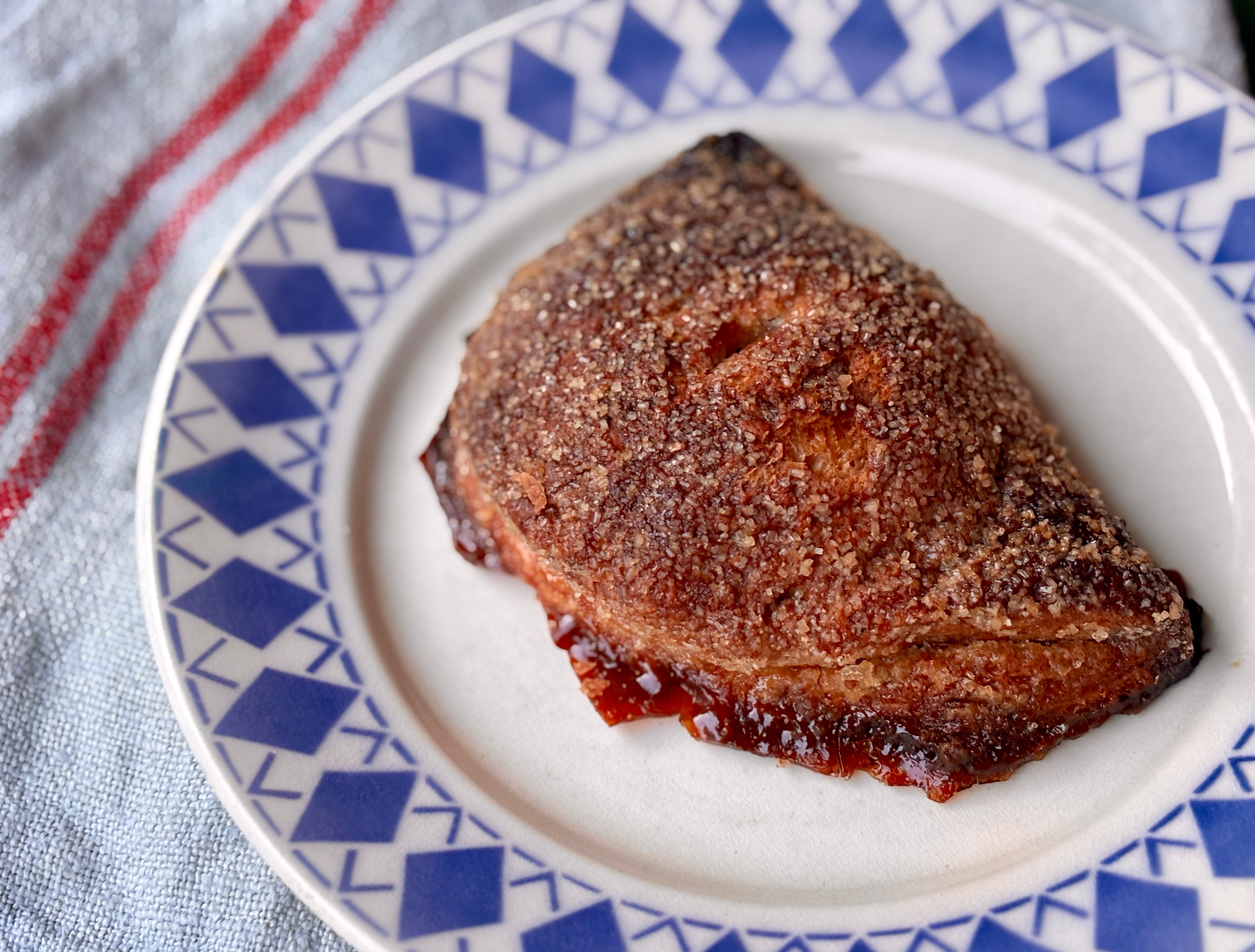
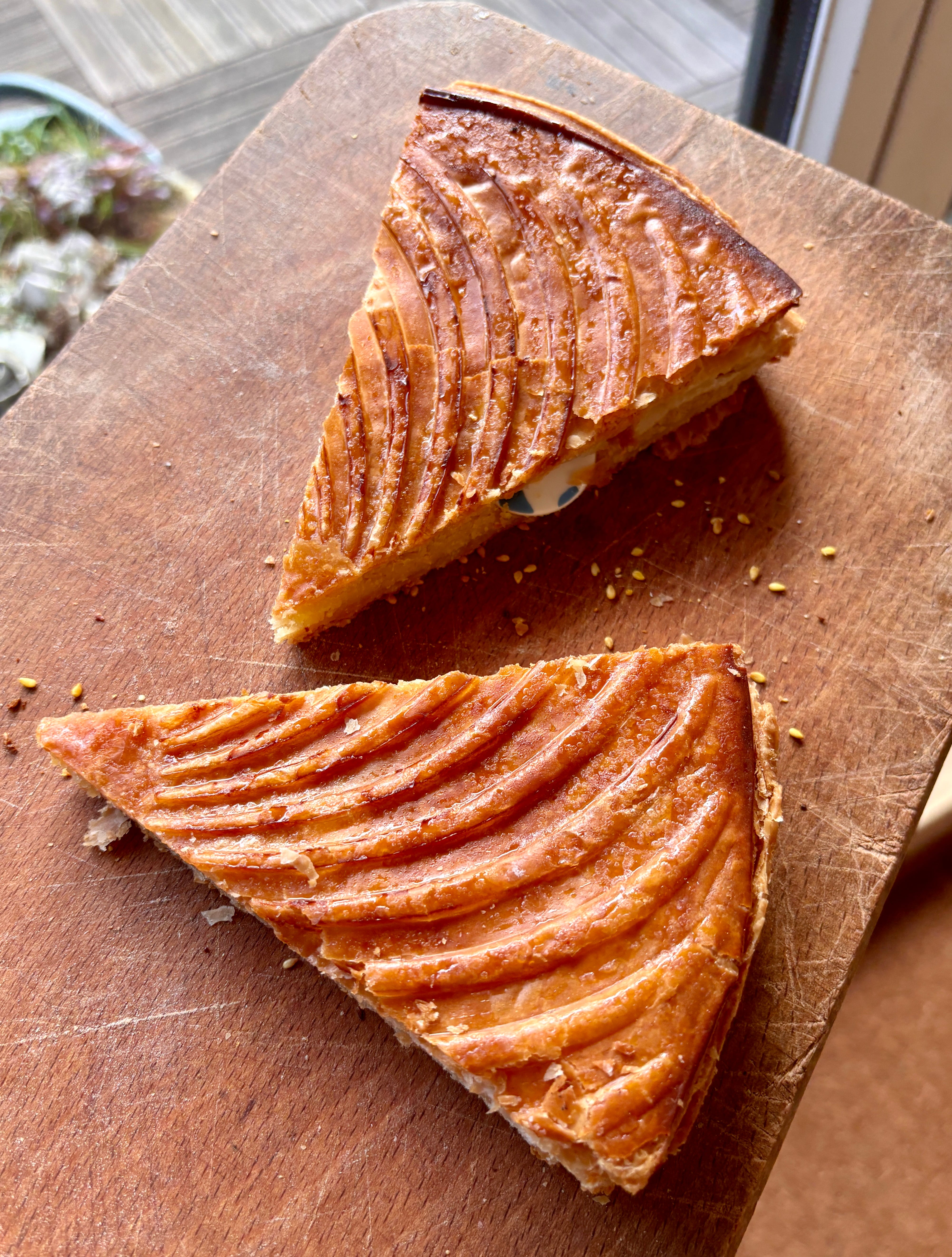
Chausson aux pommes, a caramelized apple turnover, from Sain bakery - one of my very favorite pastries in Paris.
For a little escapism (in the rest of our apartment), like a lot of you, I watch streaming shows - including a steamy show - although I’ve had to skip finishing Season 2 of The Last of Us because of the violence, in spite of the presence of Pedro Pascal, who was also in Eddington, which is a thoroughly disquieting movie. I wanted to join the “in” crowd and watch The Pitt, but a parental guidance website listed the violence and gore as “severe,” so that’s off my watch list. And I did watch Heated Rivalry, which was hot and heavy, and I saw lot more action in those six episodes than I did during several decades in San Francisco.
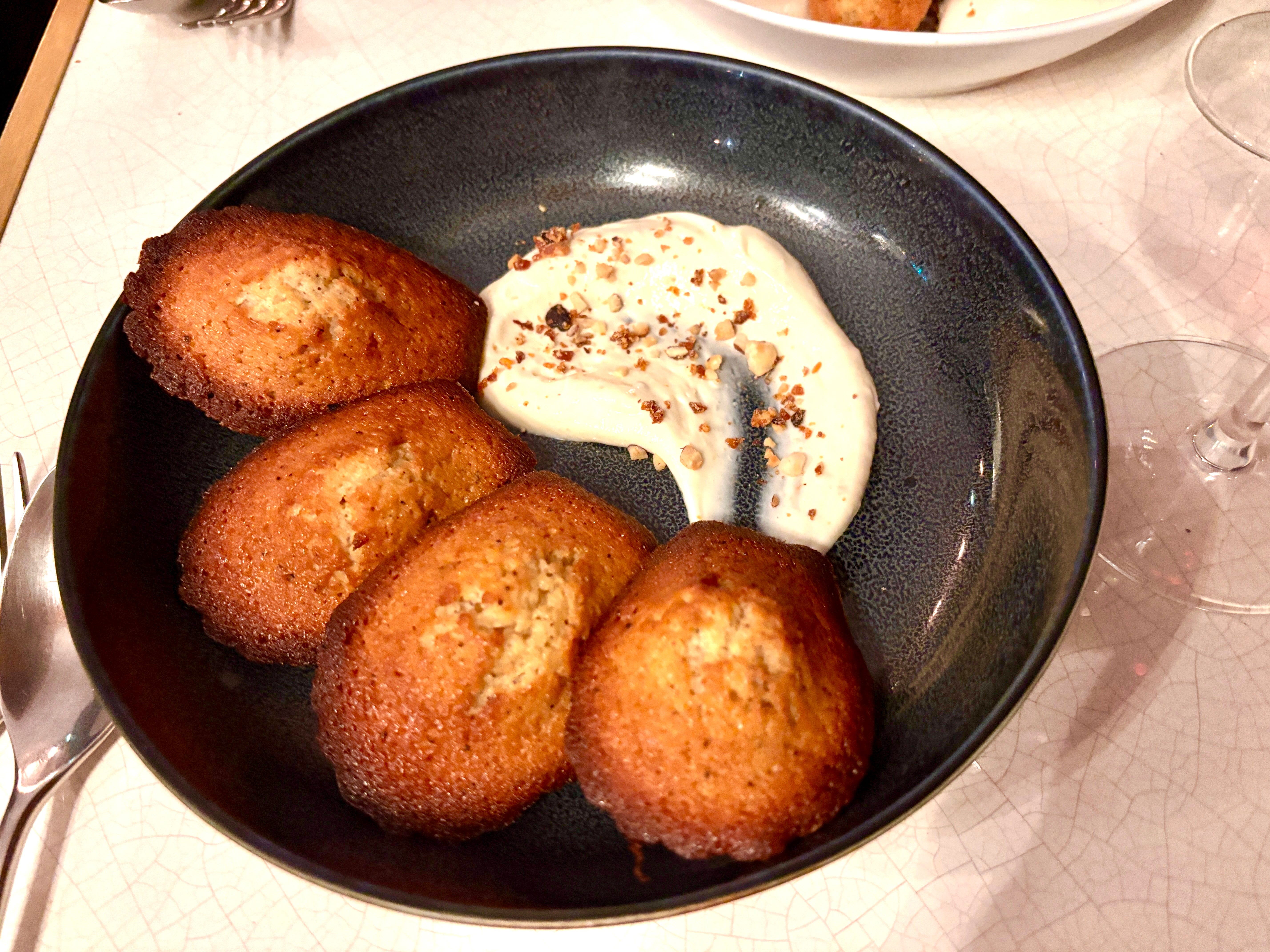
Warm madeleines with orange cream and praline for dessert at Jouvence.
I’ve also been trying to read more and have a stack of books I’m slowly making my way through. I’m in the middle of North Woods, which is brilliantly written, if a tad hard to follow if you put it down for a few days.
Books I’ve recently finished wereImpossible City, which takes a deep dive into the psyche of how Paris functions in the 21st century, and The Heaven and Earth Grocery Store, which the NYT described as “a murder mystery locked inside a Great American Novel.” I’ve got Quiet by Susan Cain on my docket as well as Picasso the Foreigner, a nearly six-hundred-page book about Picasso’s life in France and the conflicts he had with the country. Not to mention a bounty of new baking books that I’m anxious to start baking from.
I’ve also been revisiting some of my older cookbooks, especially classics that take me back to better times (gosh, I’m sounding old…) But reading Laurie Colwin, Richard Olney, andMarion Cunningham are a balm. That also goes for Edna Lewis, who I wrote about here…
Get newsletters sent right to your Inbox! Sign up here to get recipes, stories, Paris tips, and more…
January was galette des rois season, the traditional King Cake in Paris, which is made with puff pastry and filled with almond cream. The other versions in the south of France are rings of brioche topped with crunchy pearl sugar, also called a brioche des rois.
Every year, we try to get galettes des rois from various bakeries. These are from Boulangerie Utopie.
Pâtissiers in Paris are going more and more “off script” and glowing up their galettes with everything from candied kumquats to roasted buckwheat groats, to pique people’s interest in them. Thankfully a lot of bakeries offer galettes by the part, as a whole galette for the two of us is a commitment. And if I’d ever hope to look like those dudes on Heated Rivalry, I’d need to dial down the galettes. But I’m afraid thatbateau has passed…
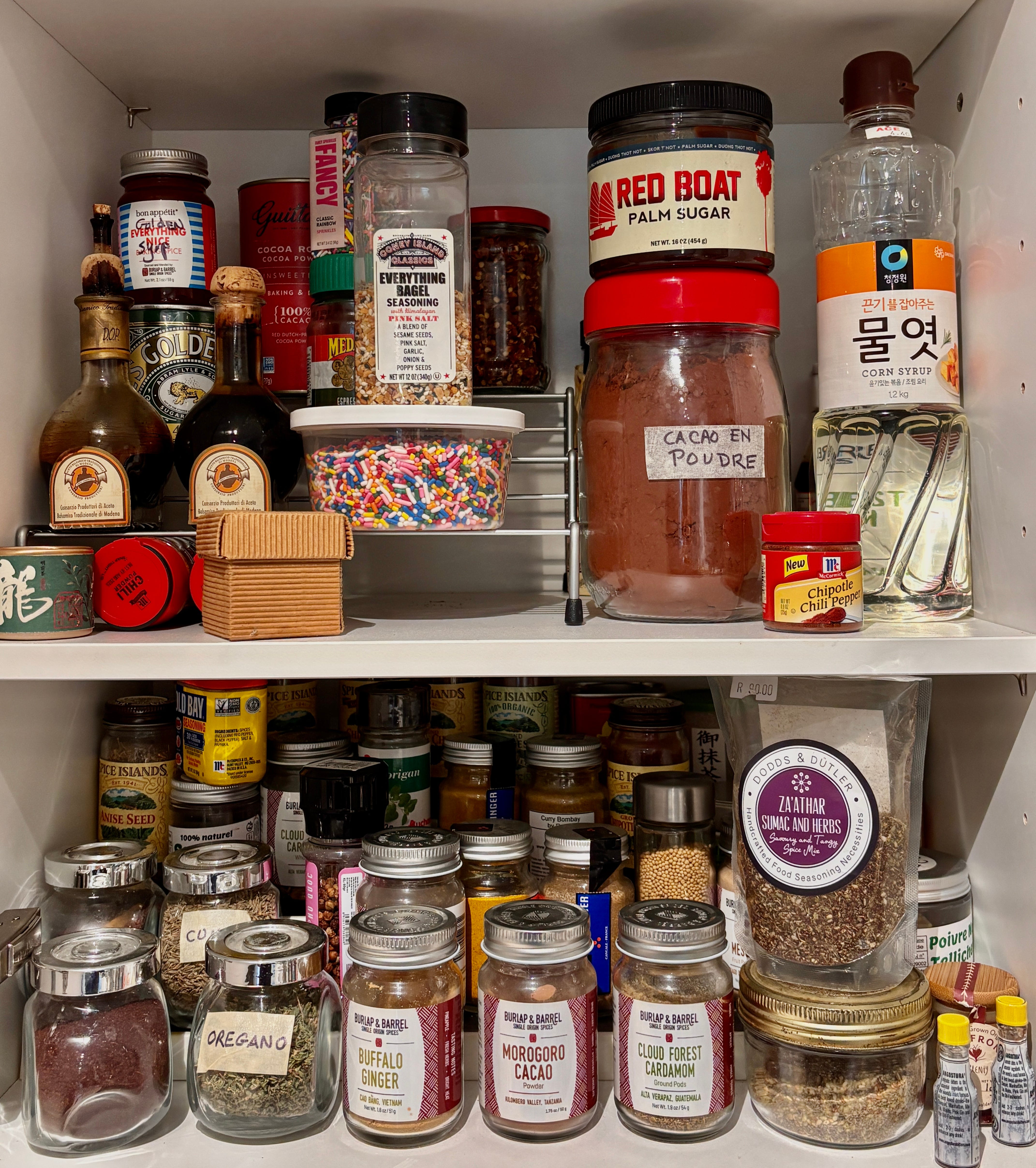
One thing about having plumbers come by is that it gives you a chance to discover, um…nooks and crannies that haven’t been cleaned in a while. The plumbers had to move our refrigerator, so I took that as an opportunity to take everything off the shelves, above and around it, and give them a good cleaning. A few weeks ago I cleaned out my freezers, which gave me the courage to tackle my kitchen cabinets, which are filled with condiments; honeys and oils, vinegars and salts, spices and seasonings, and vanillas, canned chiles, jars of chili crisp, misc. sauces from here, and more.
This cabinet has everything from rainbow sprinkles and saffron, to za’atar, aged balsamic, and cocoa powder.
Over the past few years, my kitchen has turned into a collection of cabinets of curiosities…
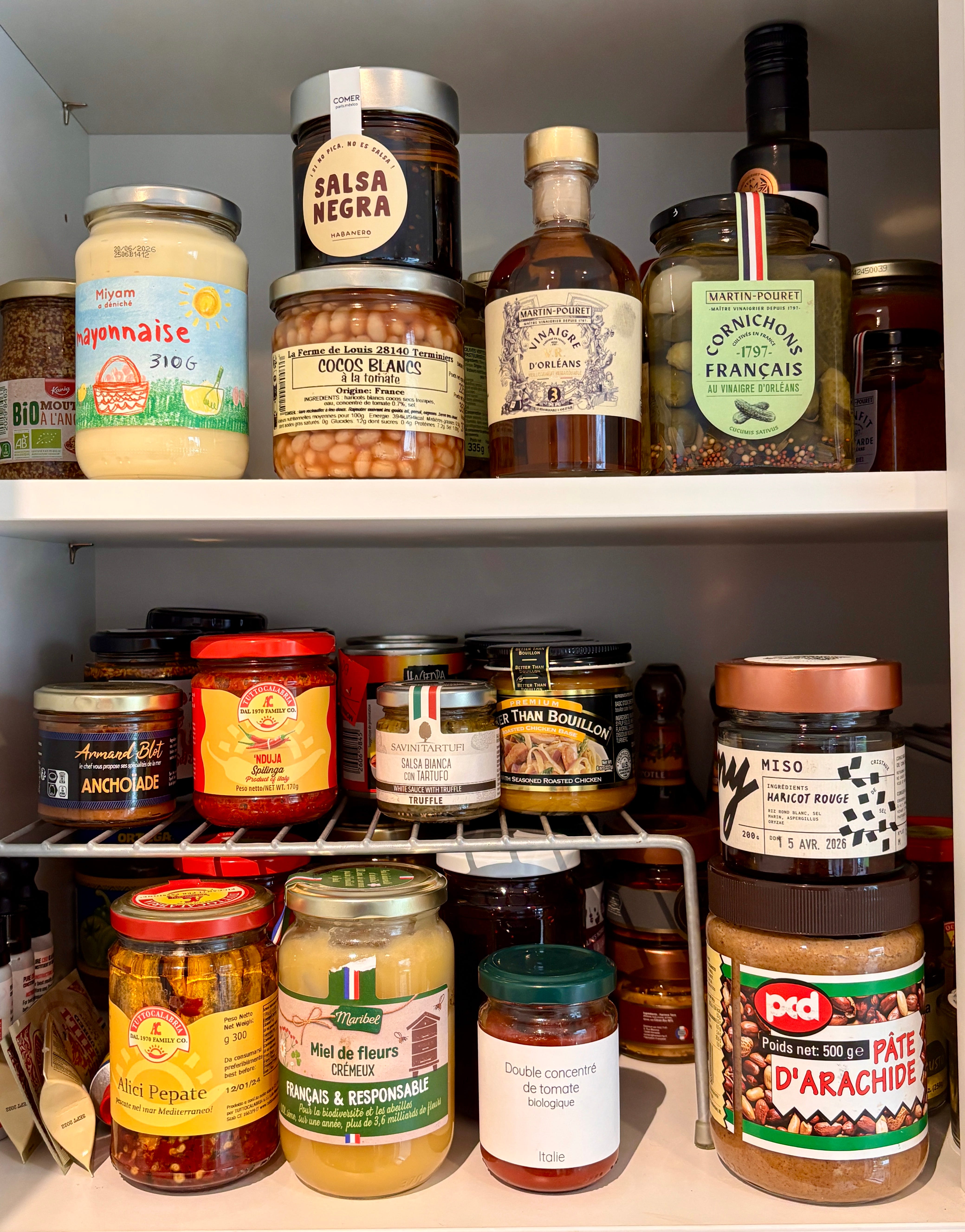
This cabinet has ‘nduja and spiced sardines from Calabria, French honey, salsa from Comer, anchoïade, peanut butter, and made-in-Paris miso, as well as vinegar and cornichons from a trip to Orléans, and a backup of Better Than Bouillon.
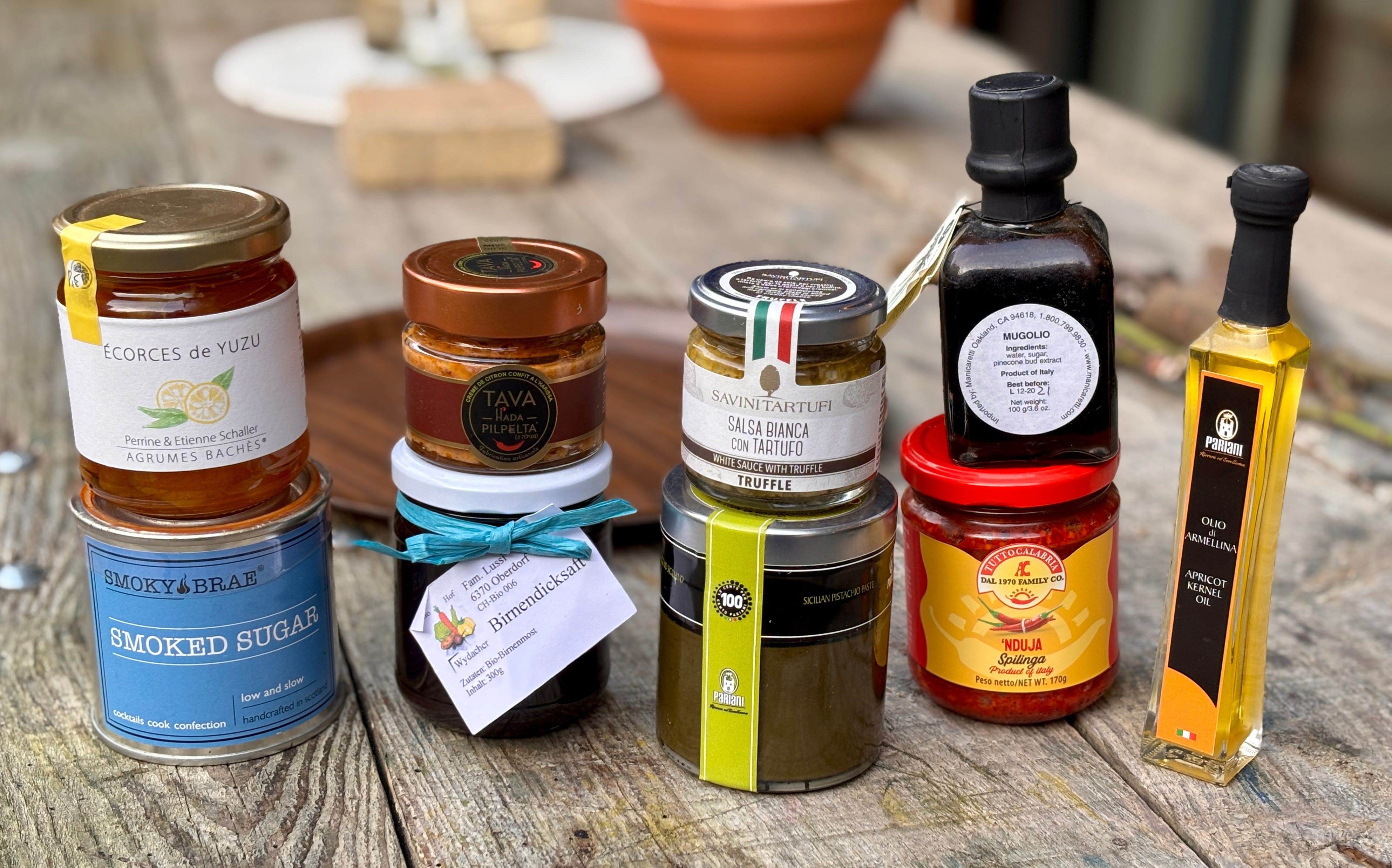
I don’t know what to do with everything — candied yuzu peels, Birnendicksaft (pear butter from Switzerland), smoked sugar that I got in Scotland - how could I resist?,apricot and plum kernel oils, pistachio paste, white truffle sauce, preserved lemon, andpine bud syrup, which I have two bottles of.
An Italian friend said a drop of thepine bud syrup is excellent in a Martini, but I haven’t made a Martini in a while, although considering the state of the world, I probably should start making them again. It’s hard to complain about having too much food, especially when others aren’t as fortunate to be in the same situation as many of us are, but figuring out how to use ‘em up adds more projects and recipes to my roster* and my goal for 2026 is to go outside at least once a week.
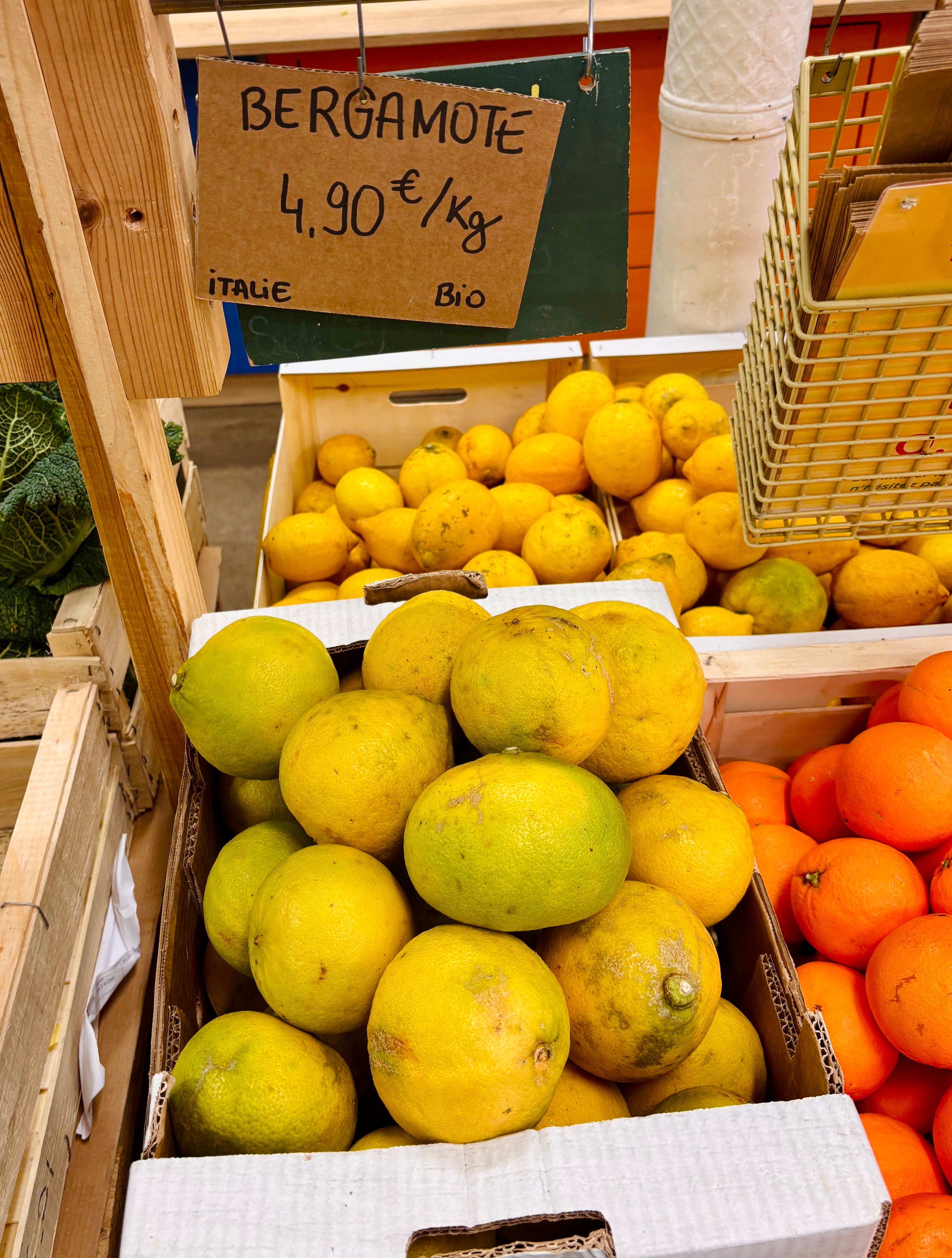
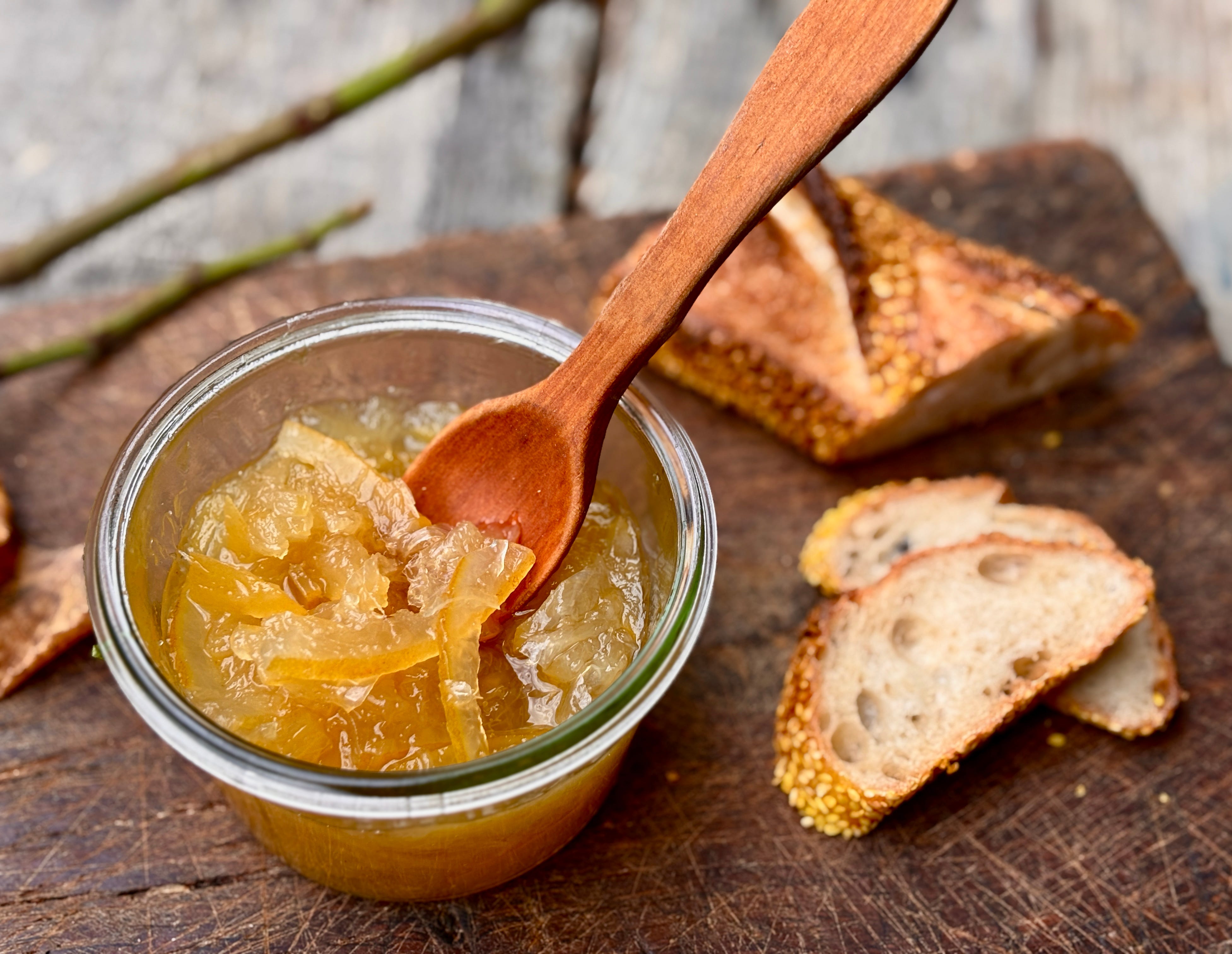
But one thing I never can have enough of is jam. So when I saw these bergamots at the store, I couldn’t resist buying some to (…yes, I know I don’t need any more projects…) makemarmalade.
The name is a bit confusing in France as they often label sweet lemons as bergamots, which they’re not. True bergamots, likely a cross between a lemon or citron and Seville sour oranges, are highly perfumed and mostly valued for their aromatic peels. In the last few years, the variety of citrus available in Paris has greatly expanded. I used to comb the city looking for citrons, happy to find them wherever and whenever I could, and recently, I saw them in my local supermarket.
When I saw bergamots at my local produce store, I rifled through the box and plucked out three of the nicest-looking ones to make some marmalade. For those who say they “don’t like things too sweet,” bergamots lean toward the bitter side, so this marmalade is for you.
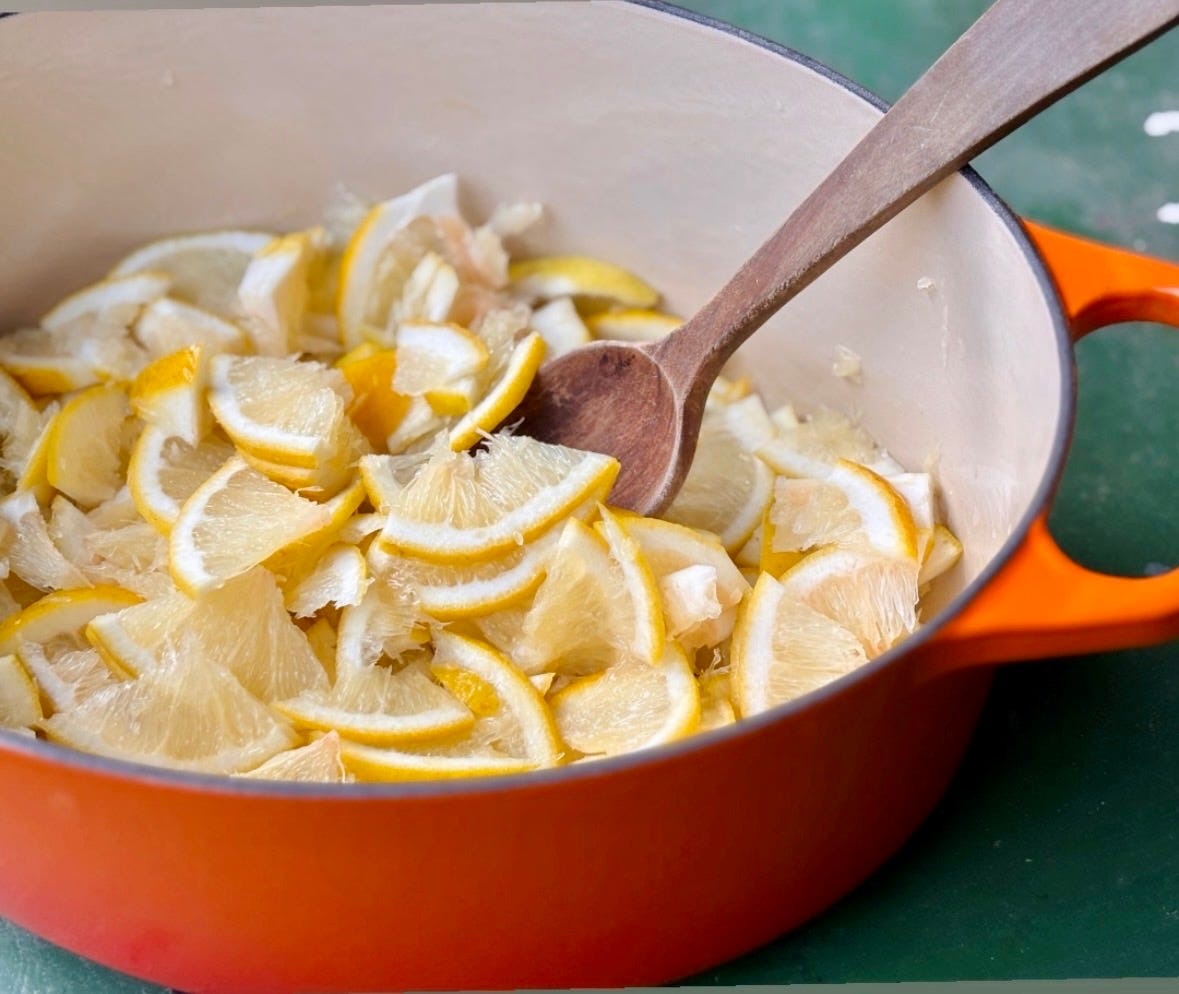
If you can find them, I rinsed and dried mine (which weighed1 1/2 pounds/700g), trimmed off the stems, and quartered them. My bergamots had just a few seeds, but if yours have more, tie them up in a piece of cheesecloth, making a little sack full of seeds, and cook them with the marmalade, which’ll add extra pectin to help thicken the marmalade.
I don’t mind larger pieces of fruit in my marmalade but you can cut them smaller if you want.
Slice the bergamots as thin as possible and put the pieces in a big nonreactive pot and cover with cold water. Bring to a boil, then reduce the heat and simmer until the pieces are translucent, about 6 minutes. Drain them and put the drained bergamot pieces back in the pot. Add 2 1/2 cups (500g) granulated sugar and 1 quart (1L) water, plus the little packet of seeds, if you have them, as well as a pinch of salt. Put a small plate in the freezer for testing the marmalade later.
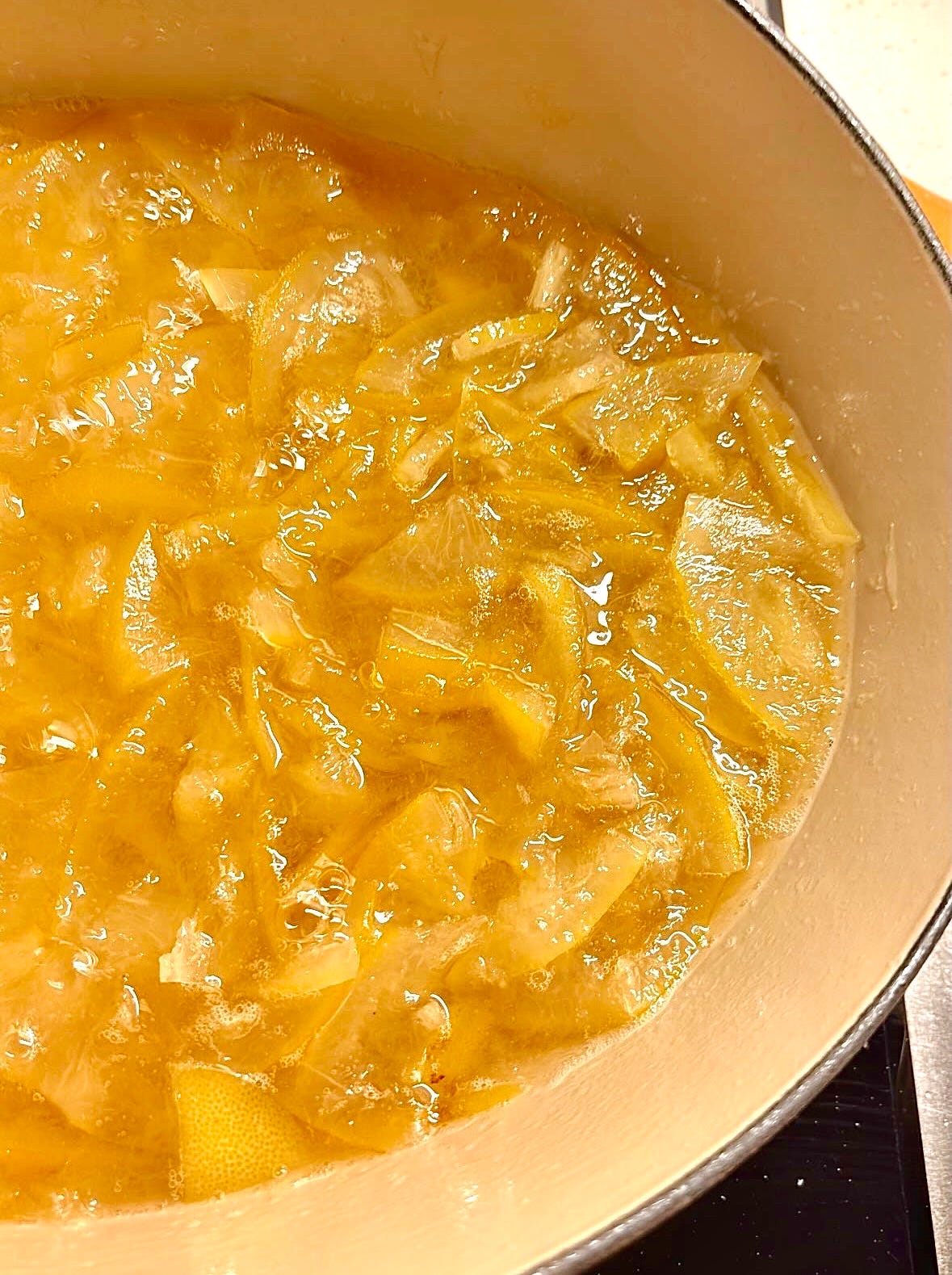
Bring the mixture to a full boil, then reduce to a low boil,cooking the mixture until the syrup between the pieces of bergamots are as thick as maple syrup. Remove from the heat and place a small spoonful of marmalade on the chilled plate, then return it to the freezer for a few minutes. Take it out and nudge the marmalade with your finger; it won’t wrinkle like other preserves but will be thick enough to stand up on its own. If not, cook the marmalade more, testing it again, until it’s the right consistency. Most preserves set between 218-220ºF (103-104ºC).
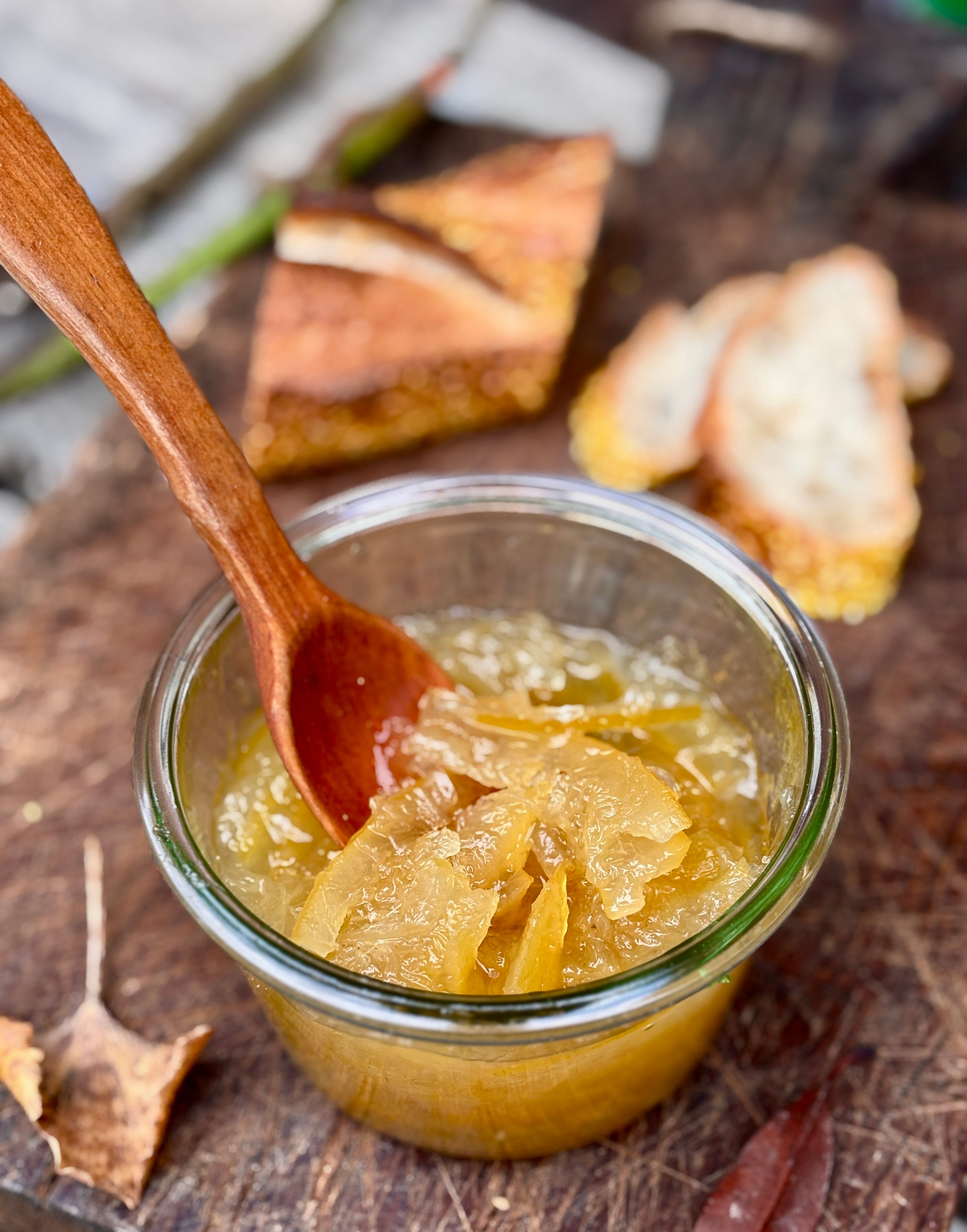
For this marmalade the temperature will be about 215ºF (101-102ºC) when done. Spoon the marmalade into jars and refrigerate until ready to eat.This’ll give you two jars of marmalade, which is what we’ve been eating for breakfast the last few weeks, and has certainly brightened up our winter mornings.
If you can’t find bergamots, there are other citrus marmalade recipes here:
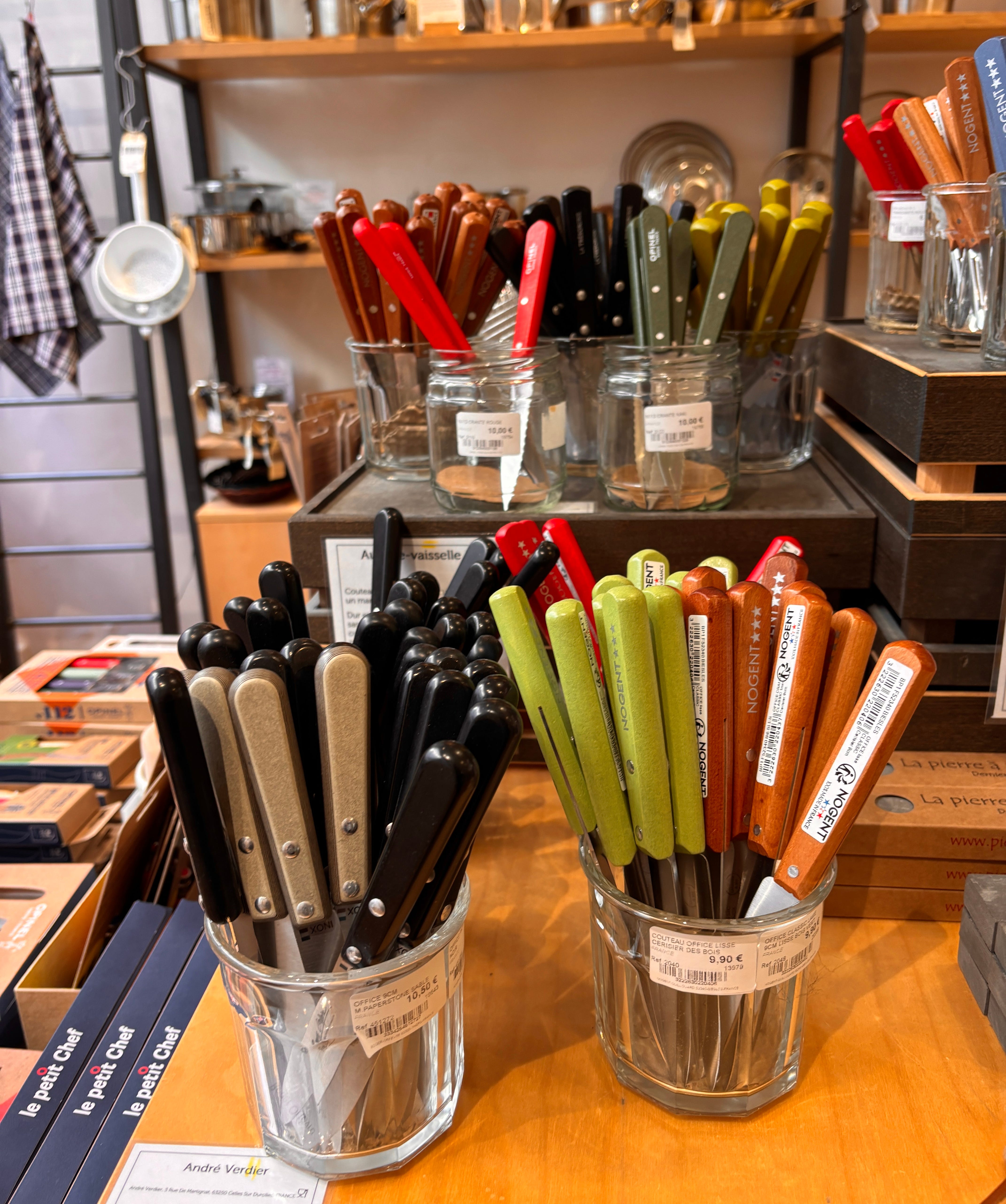
Romain and I did a little Made in France shopping this month, stopping by La Trésorerie, a store that’s fun to visit in Paris. If you’re into housewares, it’s amust-stop. (Note: I’ll be doing an event there next spring for the release of my new chocolate book. I can’t wait!)
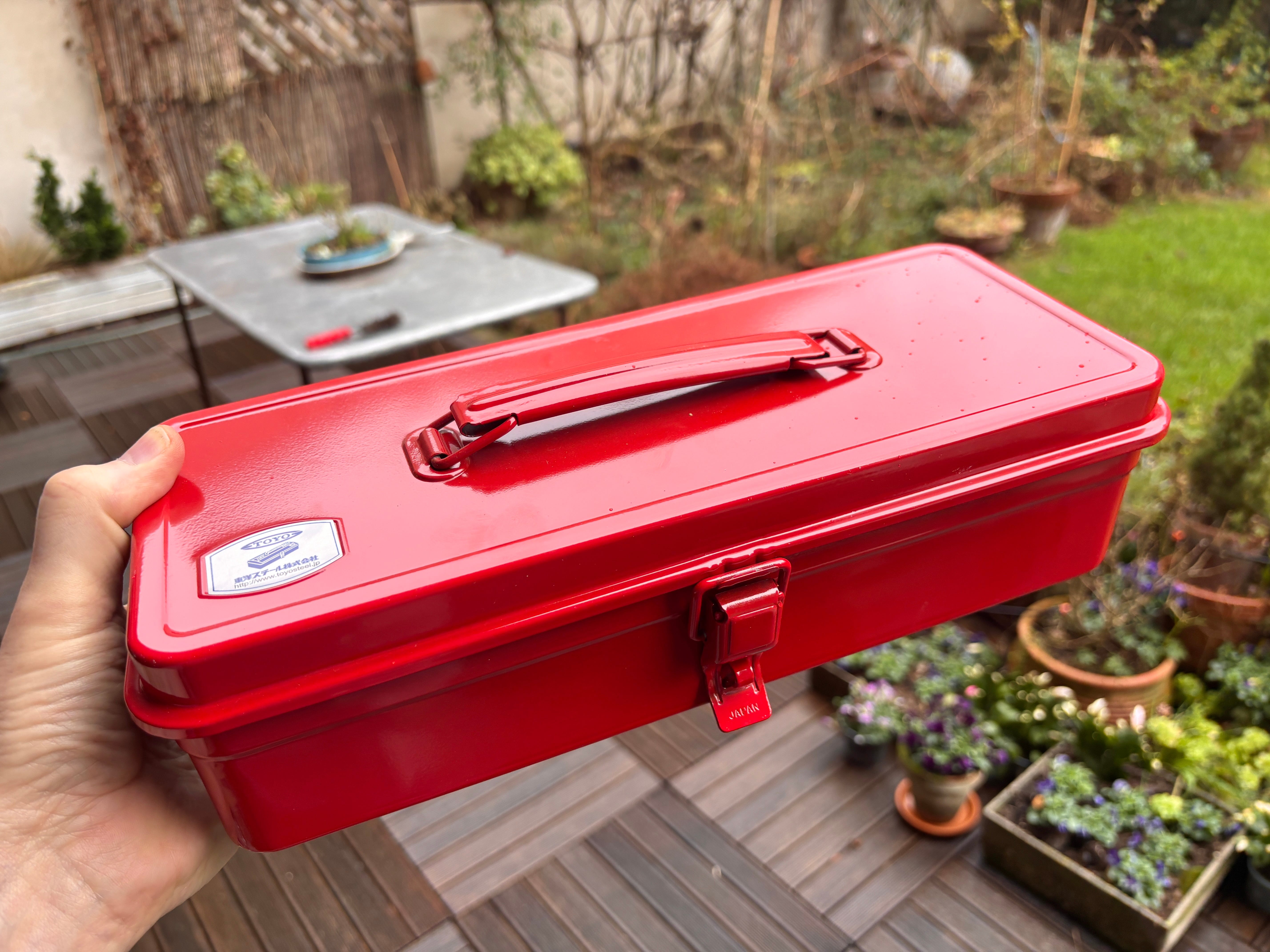
We picked up an old-fashioned broom, a wood-handled bottle washing brush, and…while not French, I couldn’t resist this petite Toyo Japanese toolbox, since “someone” is always, um…borrowing my tools, and not returning them. The bright red metal makes it hard to swipe : )
I’ve also been transitioning our storage containers to glass and want to support worker-owned Duralex, which has been struggling to survive. That’s what happens, I suppose, when your products are so well made that people don’t need to replace them. So I invested in new storage containers. The great thing about glass, while heavier and more expensive, is it doesn’t retain odors like plastic does.
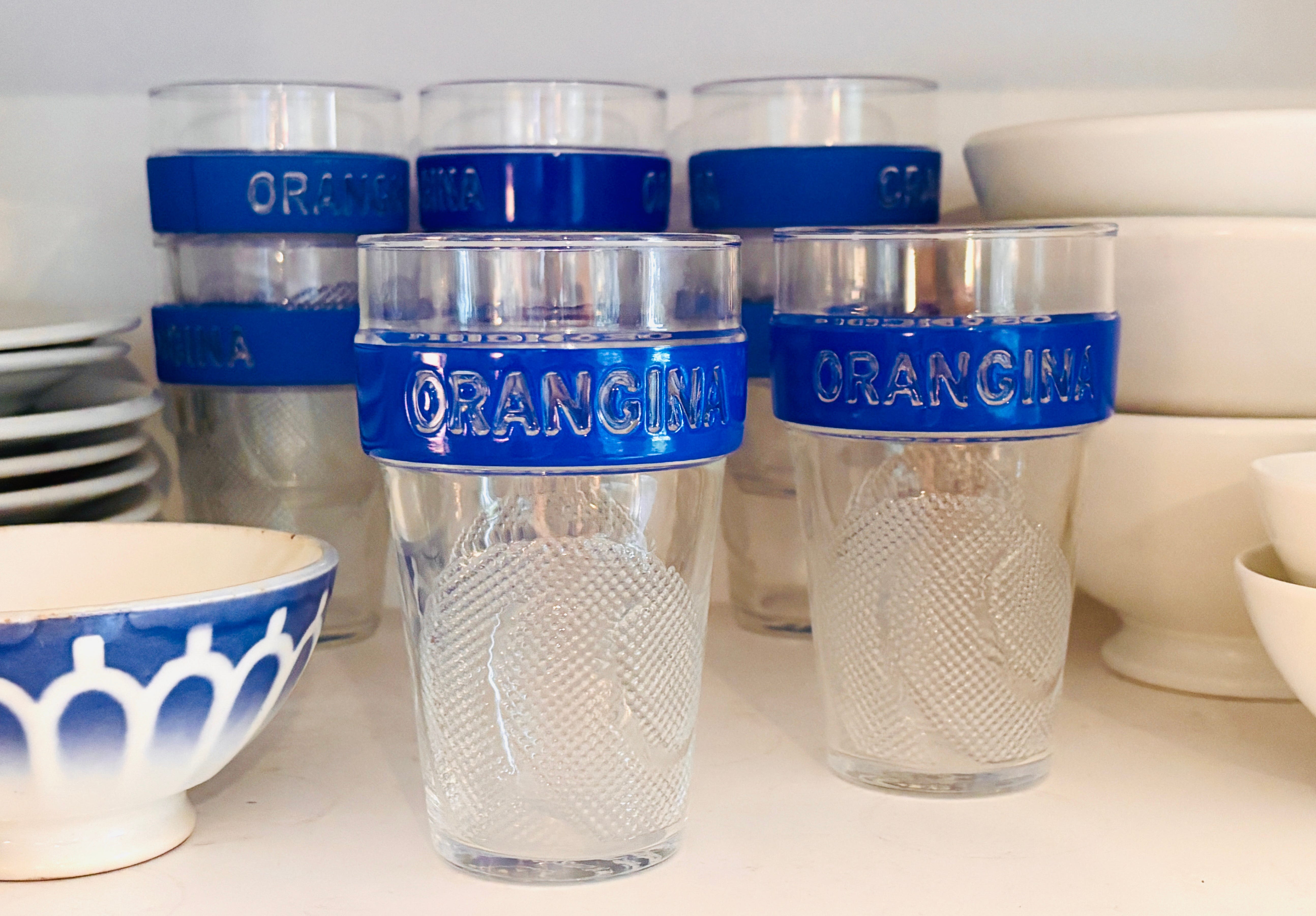
I want Duralex to succeed and wish they’d “think outside the box” and do some fun collaborations with French designers, like Orangina did with Matali Crasset.
Unfortunately they weren’t made by Duralex and break rather easily, so I pick them up whenever I see them at flea markets. But if Duralex wants to make some glasses with me, I’m up for it.
I’m okay not preaching to people about what produce to buy since most of you are adults and can make your own decisions. But I recently took notice of science finding a link between pesticides and Parkinson’s disease and thought that was worth sharing, and new findings say that high-fat cheese and cream may reduce the risk of dementia. So I can relax about all the cheese we eat in France. Whew!
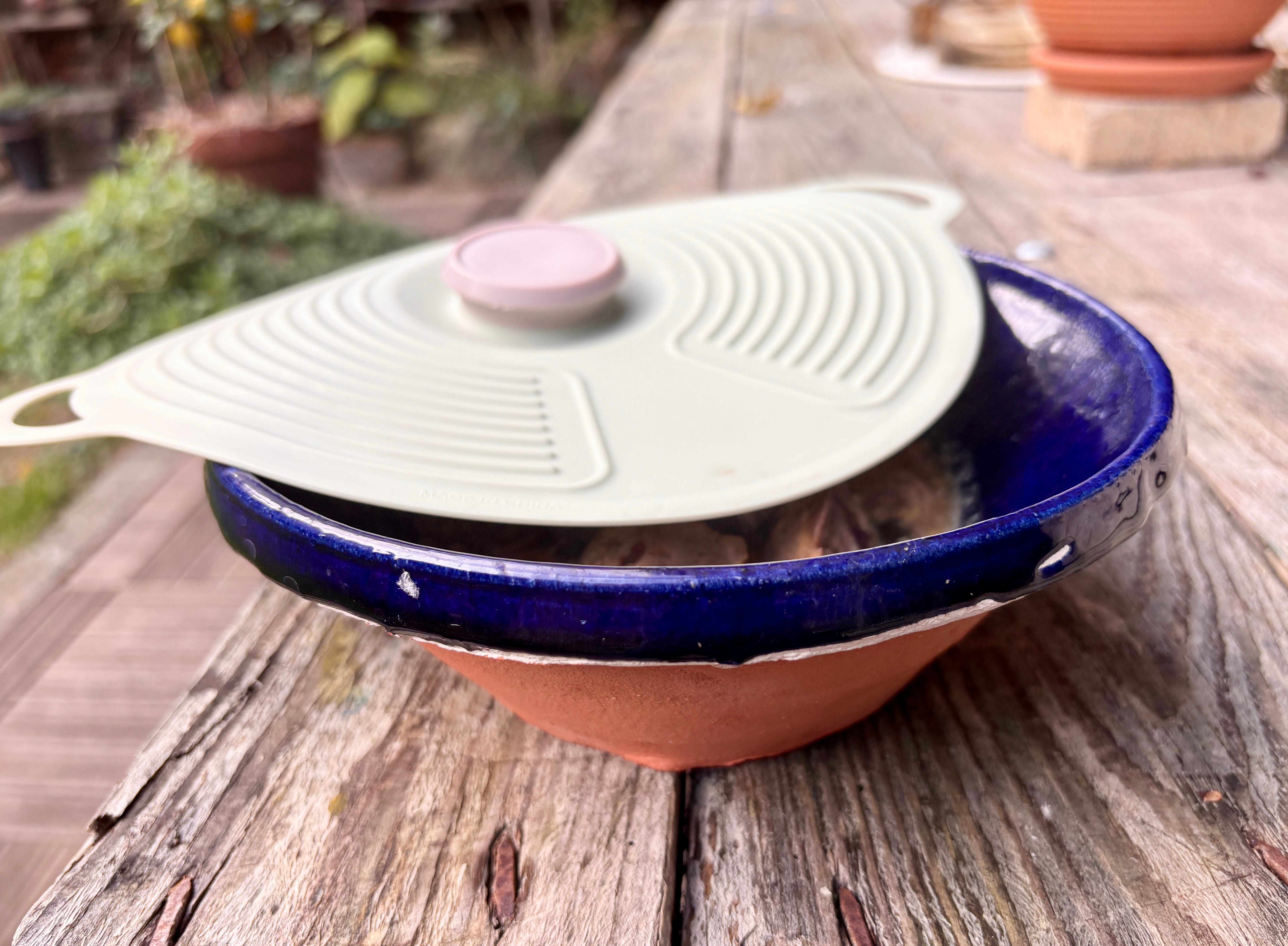
Plastic wrap is one of those necessary evils in the baking world. Fortunately there are more and more eco-friendly alternatives. Lately I’ve been using silicone covers that are microwave safe and many can even go in the oven. (Check the manufacturer’s advice. You don’t want your leftover macaroni and cheese served under a blanket of melted plastic or silicone.)
I picked up some silicone lids and have been loving them for covering bowls and reheating food. They’re wonderful and reusable, and mine (shown above) have a handle so you don’t get a steam burn peeling it off the bowl, as you can get with plastic wrap. I got mine at a kitchenware shop in Japan but I know they’re for sale in other countries. I use my lids almost every day and, like my new glass storage bowls, they’ve been a great investment.
*A classic, and understandable, response might be to tell me to “Make ice cream!” which I do with lots of my baking projects when I’m testing recipes, and end up crumbling brownies that didn’t quite work, or candied nuts I’ve been working on, to fold into ice cream. However, I just cleaned out my freezer(s) and am not keen on filling them up again. But yes, I do have a recipe for plum kernel oil ice cream. So that’s on my docket…
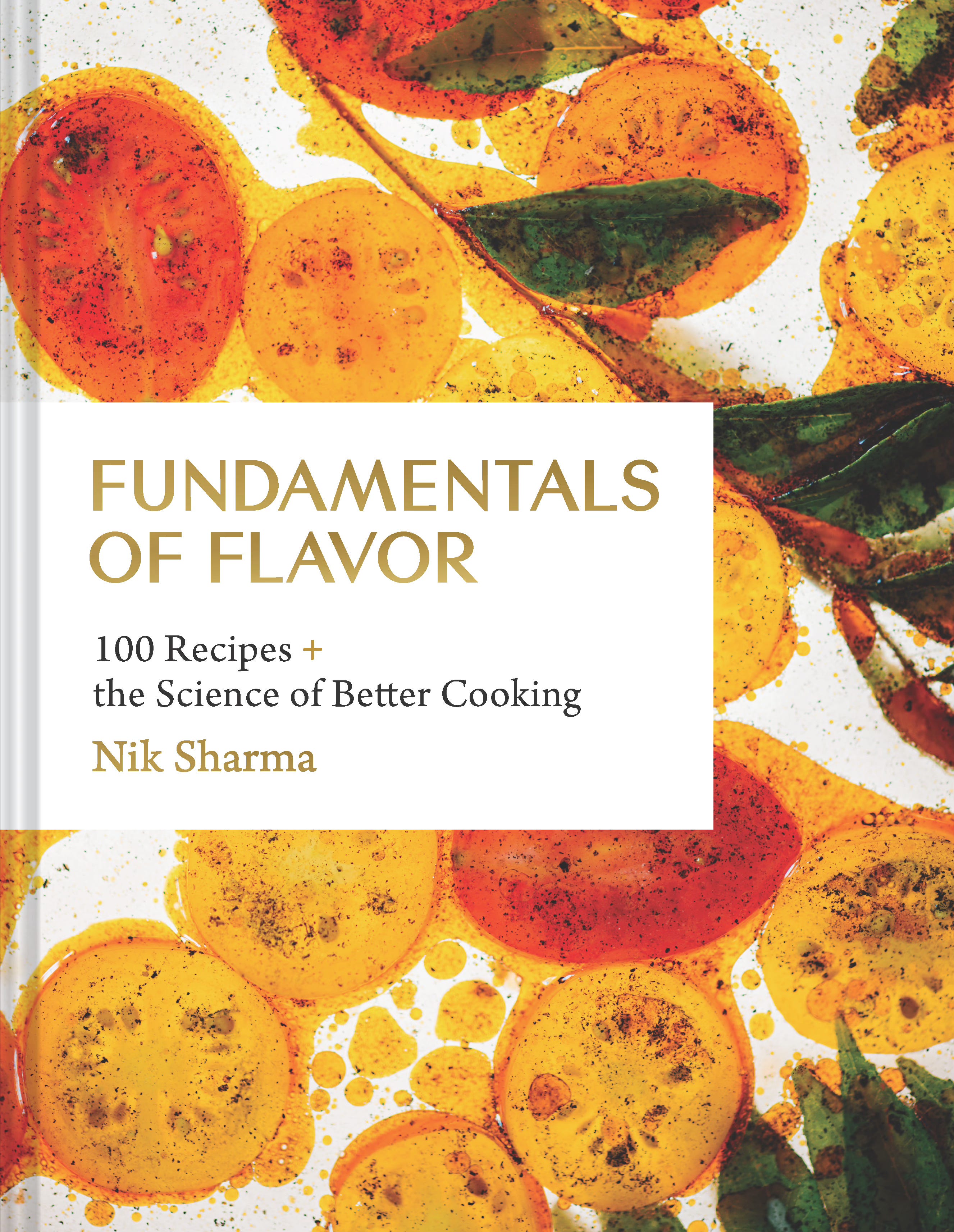
The secret is out…I have a new book! I’ve been working on this book since 2019.
Writing a cookbook means beginning years before you’re allowed to talk about it. Much of the work happens quietly, at my desk, in the kitchen, staying just ahead of the science as research evolves, testing and refining recipes that not only work but also explain why they work.
This book has lived through years of thinking, testing, rewriting, and refining. Today, I finally get to share the cover with you.
A first look at the cover.
Fundamentals of Flavor explores the intersection of nature, science, and cooking—and how those forces come together to shape flavor. It’s about understanding food not just as recipes, but as systems, patterns, and relationships.
These sizzling fajita vegetables will liven up your dinner table. The recipe features colorful bell peppers and red onion, seasoned and cooked to golden perfection. It was inspired by Tex-Mex fajitas and the veggies I always request on my Chipotle burrito bowls.
It took me quite a few tries to nail the texture that I had in mind—I wanted my peppers and onions caramelized on the edges, cooked until mostly tender, yet far from mushy. I finally figured it out, and I’m so glad to share this simple and foolproof method with you today.
Finished with a squeeze of lime juice, this vibrant side dish is ready in 20 minutes or less. You’ll find serving suggestions below to build your meal around it.
I’ve been digesting all the wonderful comments and suggestions you made in the recent subscriber survey and decided that I’m going to cut down from eight (8) to six (6) dispatches per month. My current pace has been hard to keep up with because I want to ensure quality content for you. Plus, it’s a lot for you to receive in your inbox.
This is what to expect:
Midweek Gems will come out twice a month.
Sunday Specials will remain steady. Most Sunday dispatches will be paid subscriber exclusives but there will be an occasional all-access dispatch that’s free for everyone.
Thank you so much for supporting my work at all levels!
These days, it seems as if the world is in a mad tailspin and full of precarity. While I pay attention to the news from sources I trust, I’m also carving out time to do things that ground me and give me hope.
Even in the depths of winter, thinking about and cooking with herbs me as I wait for the start of spring, the season for regrowth and the beginning of the bounty of flavors to come. One of the food ingredients that a number of you have expressed interest in are the herbs used for Vietnamese cooking so I’m going to share some essentials and a new ‘discovery’ with you.
💎 MVP herb for Vietnamese cooking
When my family first came to America, we were relieved there was cilantro at the supermarket. We enjoyed many herbaceous Vietnamese meals with just cilantro. Later on, when Dad started growing mint, we’d add it when there was enough. Otherwise, it was mostly cilantro. Survey Vietnamese recipes written in Vietnamese and English and you’ll see that cilantro comes up more than any other herb. In other words, you’ll go a very long way if you just have nice cilantro, which you can purchase at many markets.
If you regularly shop at a hardcore Vietnamese market, you’ll have access to a wide variety of herbs. However, in winter, the herb pickings are slim and spotty. To this day, I basically rely on cilantro during the colder months to make Viet food sing.
When you buy cilantro, you commit to a bunch of it but a recipe doesn’t need that much. How do you keep cilantro perky and ready for action?
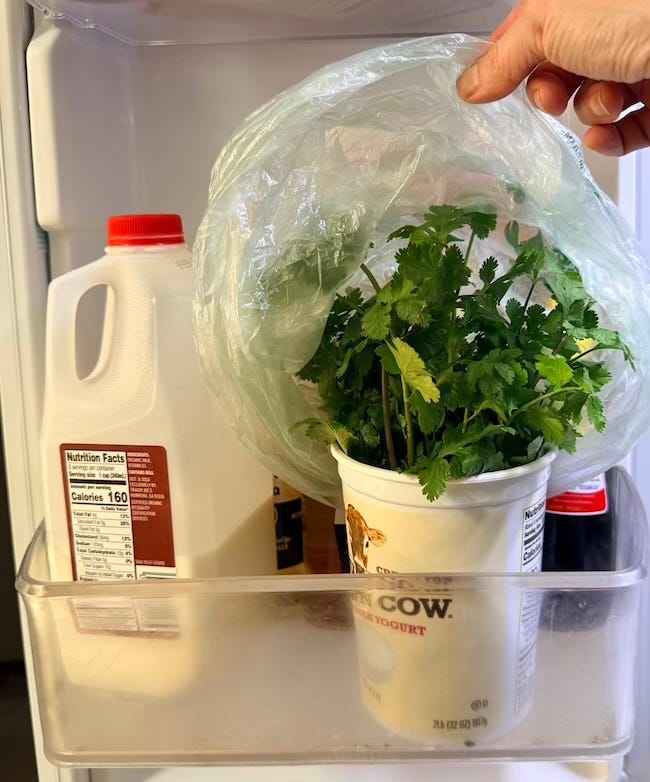
I find the freshest cilantro at our local indie market or farmer’s markets. When I get it home, here’s what I do: Trim the ends by about 1/2 inch (1.25cm), hold on to the stems (like a bunch of flowers), and then give the bunch a quick wash under running water. Then I spread all the sprigs out onto a clean dishtowel, then roll up the dishtowel to more or less dry the herbs.
Any frail short sprigs get put into a container or airtight bag to be used first. The remaining heartier sprigs go into a tub filled with 1 to 2 inches (2.5 to 5cm) of water, then I put a flimsy produce bag over the tub and put the tub in the fridge. The cilantro lasts for 1 to 2 weeks and is ready to use whenever I need it. No washing required. I change the water every few days, if I remember!
What’s in my fridge 90% of the time is a tub of ready-to-use cilantro!
Want to grow your own cilantro? My friends Alec and Michelle live in downtown Los Angeles in a loft and have long championed indoor, countertop gardens like the Aerogarden. My brother, Dan, who lives near Fresno and has harsh winter conditions loves those mini hydroponic gardens too.
Most people assume that Thai basil is key in Vietnamese cuisine because restaurants serve it to them as a side for pho noodle soup. Truth be told, it’s only eaten with southern Vietnamese-style pho. Northern-style, Hanoi pho is basically about cilantro and a tiny bit of fresh mint on the side, if you want it.
For that reason, Thai basil is top of mind for many people when the think of herbs in Vietnamese cooking. Winter is not when Asian markets have great Thai basil (húng quế, literally cinnamon basil in Vietnamese). But two weeks ago when the weather was warmish here in California, I surprisingly scored two beautiful bags of them!
I ate some with pho and added lots to a chicken and mushroom pad gaprao (pad ka-prao), an iconic Thai stir-fry that’s one of my favorites. What to do with the rest? I needed to preserve it so I ended up turning some into a green herb oil and experimented with blanching and freezing the rest of the leaves.
I wrote up my experiences so you can play with making herb oil and freezing Thai basil. These two preservation methods are not going to yield you the same experience as the fresh herb. But, the oil and frozen leaves allow you to keep a precious herb for the long haul instead of letting go bad. I’ve used the oil to dress salads and to drizzle on silken tofu, creating what Rory described as a savory sundae! The frozen leaves are good added to noodle soup and the like.
And yes, you can make oil with other herbs. All the details and my learnings are available here:
I’m really happy to have both the oil and the frozen leaves on hand. Here in Santa Cruz, it’s rare to find nice fresh Thai basil, until summer when I can grow my own.
Support Pass the Fish Sauce! Join us as a free or upgrade to a become a paid subscriber to enjoy 125+ professionally developed recipes, seed new content, and get future class discounts. Thanks for your enthusiasm!
💎 2 Viet herb primers
While I have you here, if you’re dreaming about other more ‘exotic’ Vietnamese herbs, check out my Quick Guide to Vietnamese Herbs. For those of you who garden and or want to geek out on great details, head to my Mega Vietnamese Herb Primer.
Winter is citrus season and I have three kinds of pomelo and grapefruit looking at me in the kitchen as I write this dispatch. I’m curious about their flavor differences and how they’ll perform in a dish that’s perfect for Lunar New Year, which is coming up on February 17. That’s what’s in store for this coming Sunday Special.
We’ve been eating out more and more since so many new places, or at least new to me, are popping up. Some have been really good and others, not so much. When I’m eating out with friends, I’ll often ask at the end of the meal, “Would you come back?” That, to me, is one barometer of me recommending a place. Another is, “Would you have fun there?” Here’s a mix of restaurants I’ve been to recently in Paris that I liked. A few come with caveats, which are mentioned…
Pass the Fish Sauce is an evolving experiment to build a culinary community for exploring Asian cuisines and cultures. Very few people live and cook in isolation anymore. Many of us are looking to connect with others. We can do that in the kitchen and at the table — even if that’s done virtually. And, I truly believe all that effort will make us better humans. That’s why I started writing about food decades ago and with all of you as part of the PTFS crew, I don’t have plans to stop anytime soon!
Last week, I set up a survey to help me narrow down what kind of information PTFS subscribers want and how they want it delivered. Many took the paid subscriber survey and contributed great suggestions. I’m overwhelmed, to be honest!
A quick note: This is not a random sample but I reckon it’s better than a random sampling because my goal is to focus in on your interests. Paid subscribers weighed in because they comprise the staunch supporters who sponsor PTFS with extra kindness, generosity, and enthusiasm.
The PTFS survey asked folks to respond to multiple choice and open-ended questions. Below is a summary of the results.
1. What kind of content resonates well?
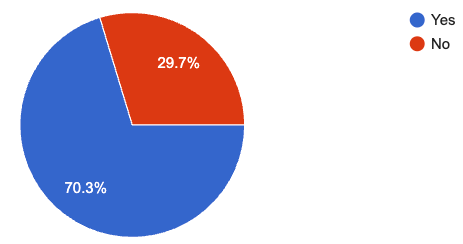
I grouped PTFS content into eight categories and respondents were able to cast votes in favor of content they found valuable. Here’s the breakdown:
People also expressed keen interest in discussions of whole Vietnamese meals including “what we ate for lunch this week”, the dives into Asian ingredients and Vietnamese ingredients, including substitutions, and my family’s personal history.
2. Cooking basics — what do you need help with?
This was an open-ended question. I led by suggesting knife sharpening, breaking down (cutting up) a chicken, and making perfect rice. I also asked for suggestions.
There was solid support for my three ideas above to help you deal with dull knives and knife selection, whole chicken, and cooking good rice. People offered up extra ideas, such as:
working with rice paper
how to create staples and building blocks for the freezer
quick (30-min?) Viet dinner ideas
Viet dishes you might not see in restaurants
basics specific to a given cuisine
I’ll re-review all the suggestions to help organize future content! Thanks to all who provided input, thus far.
3. What about healthy cooking?
I proposed certain cooking ideas and asked respondents to cast votes in favor of them. Here’s what appealed to people:
While some folks expressed that PTFS recipes are already healthy and that the current mix is fine as it is (🙏), others suggested more content on lowering sodium intake, baking with less sugar, gluten-free and dairy-free desserts, and Asian herbs and vegetables. There are way too many great responses to this question. I’m looking forward to making a thorough list of how we can tackle them this year!
4. What about PTFS livestreams?
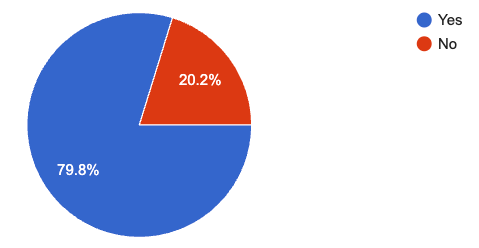
Substack has a function to do livestream videos which are recorded and then sent out as a post so you have the recording, in case you cannot attend. PTFFS livestreams may include me demo-ing a technique or basic recipe, answering your questions in AMA (Ask Me Anything) sessions, interviewing people about Asian food and culture, etc. Would you watch or attend a PTFS livestream?
Alright, I’ll get plotting on this branch of PTFS!
5. Are you interested vintage cookbooks?
How do classic Asian cookbooks stand the test of time? Would you be curious enough to be interested in cooking from them? My thought is to recruit a couple of PTFS paid subscribers to cook with me from vintage books (I’d supply the books or recipes) and then we’d all report our feedback to everyone. Does this initiative interest you?
I’m thrilled that this idea got solid 👍.
Join us here at Pass the Fish Sauce! I welcome your support at any level.
6. What ingredient(s) are you curious about or want to figure out?
WHOA, such a wonderful collection of ideas came from this open-ended question. I’m stunned by all the suggestions.
A number of folks asked about tamarind and I realized that I need to better organize content so you can have a bird’s eye level view of what we’ve already covered. I’ve been negligent on that front. My apologies. I seem like an organized writer but I’m only semi-organized!
With regard to tamarind, you can mine the following content at my website and at PTFS for a ton of tamarind information — from basics to condiments to main dishes to one-dish meals.
Tamarind Shrimp and Tamarind Tofu are two recipes packed with vegetables and the flavors of southern Vietnam. Choose your adventure with these two recipes to please pescatarian, vegetarians, vegans, and omnivores alike.
Vietnamese Bouillabaisse (Canh Chua Ca) is a Mekong Delta specialty that relies on tamarind to make it sing its highest notes. The grandeur of the soup is such that yes, it’s the Viet response to French bouillabaisse!
7. Need advice on certain cooking appliances (small or major), utensils, or tools?
Respondents chimed in to suggest advice on slow cookers, rice cookers, woks, instant pots, and a wealth of other ideas. I’ve amassed an unusual collection of cooking equipment and am often pulled to test driving and learning about more of them. You’ve given me lots of assignments and I thank you!
Any additional suggestions?
Of course there were thoughtful, smart suggestions (how to understand a Viet restaurant menu! using prepared sauces well!). What I didn’t expect were all the big warm hugs and appreciation for what this newsletter offers.
I took this particular suggestion to heart: “You do a great job already. Maybe make life easier for yourself by doing one post a week? Or 6 per month rather than 8?”
You’ve given me so much to think and look forward to. And, if you haven’t done the survey, you can still take it. Your responses and ideas will be read.
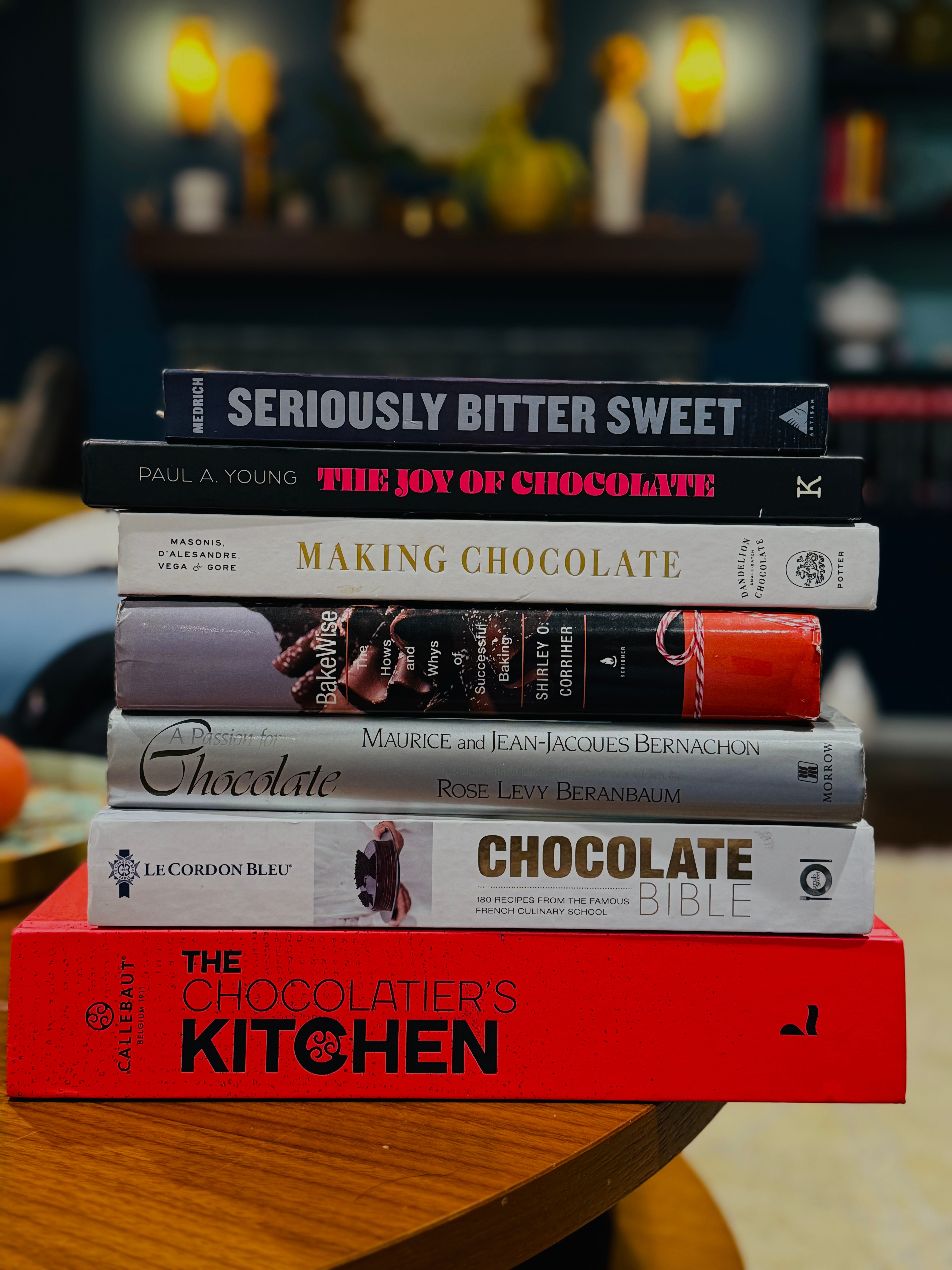
The other day, I found myself sitting in my office, pulling cookbooks off the shelves in search of every volume I own on chocolate. I usually keep my dessert books neatly sorted—pies in one place, ice creams in another, baking in its own tidy cluster—but for reasons I still can’t explain, my chocolate-focused books were scattered everywhere. My copy of Dandelion Chocolate: Making Chocolate was filed among the science cookbooks; Le Cordon Bleu’s Chocolate Bible had somehow ended up among the baking books.
I was, admittedly, a little annoyed with myself. I take an unreasonable amount of pride in keeping things organized. But what surprised me more was the small rush of excitement I felt each time I picked one up. Holding Paul A. Young’s The Joy of Chocolate instantly transported me back to Seattle’s Book Larder, where I bought it during a stop on my book tour a few years ago. A Passion for Chocolate by Rose Levy Beranbaum is David Lebovitz’s copy, passed on to me when he cleared out a storage unit of cookbooks in San Francisco. And then there’s the Callebaut book I’ve never actually cooked from, but adore nonetheless, simply for its wildly seductive combinations of fruit and chocolate—ideas I still want to eat every time I imagine myself as a chocolatier.
Much like a slab of chocolate itself—dense with mood-altering compounds like theobromine, phenylethylamine, and caffeine—spending time with these books flooded me with memories of things I’ve already done and things I still aspire to (and, if I’m being honest, might never get to). It’s why I love cookbooks so deeply, and perhaps why I own far too many for my own good.
This week, a chilly, icy front has settled in across much of the country, which feels like the perfect excuse to turn on the oven and bake a batch of chocolate chip cookies. To get you in the mood, I’ve put together three different versions—each with its own personality.
First, my go-to chocolate chip cookie: buttery, chewy in the center, and crisp around the edges.Then, the famous Salted Rye Chocolate Chip Cookiefrom the San Francisco Cooking School, with its deep, savory notes and just enough salt to keep things interesting. And finally, a Spiced Hazelnut Chocolate Chip Cookie from my cookbook Season, created with my gluten-free friends in mind, but beloved by everyone at the table.
And now for the really sweet news—I’m officially making my Netflix debut next month! 🎉 I’m co-hosting a brand-new show, In the Test Kitchen, with my pals (and brilliant colleagues) from America’s Test Kitchen—Lan Lam, Bryan Roof, and Lidey Heuck.
There are 23 episodes, and they start dropping on February 26 on Netflix. Expect a lot of food, strong opinions, spirited debates, and the kind of kitchen chaos that only happens when very opinionated test cooks are given a platform. I cannot wait for you to watch.
These energy balls are lifesavers! When you’re hungry in between meals, running out the door without breakfast, or craving a wholesome little treat, these energy balls will come to the rescue. They’re the perfect healthy grab-and-go snack.
This recipe is made with oats, honey, nut butter, and toasted nuts and seeds, though it’s endlessly adaptable to suit your preferences. I designed it to offer sustained energy from the whole grains and nuts. One ball is just sweet enough to taste like a treat, and offers a healthy dose of protein and fiber.
This recipe was inspired by my husband’s mom’s interpretation of my no-bake granola bars. She always has a batch in the fridge for her grandkids, and they’ve become a staple in our house, too. I crumbled one over my yogurt just this morning, and they’ve kept my energy level up through this postpartum phase. They’re a perfect homemade gift for anyone who’s in a busy season of life, that’s for sure.
I’m not an overly woo-woo person but I do believe in the power of slowing down and taking deep breaths. In fact, when my doctor asked me how I dealt with acid reflux, one thing I listed was slow breathing, which helped to alleviate symptoms.
Rory has meditated for most of his life and nowadays, in social situations, someone ends up talking to him about his transcendental meditation (TM) practice. He’s no proselytizer. Meditation just comes up in conversation. We’re all looking for calm.
Cookbooks are considered works of service and we read them for different reasons. I’ve often likened mine to how-to manuals with recipes that are road maps and stories to lead you along from beginning to end. Hopefully, you’ve gotten some of that from my books.
I’ve read Nigella Lawson’s books for her literary phrasing, cadence, palate, and humor. Her works have often been packed with emotion but are not outright self-help books. That hasn’t been a trend until recently. There have been a handful of cookbooks released specifically about emotional well being. I spotlighted Samin Nosrat’s book in Midweek Gems #44. There have been others and I want to draw your attention to two standouts.
💎 Intentional cookbooks
Just released last week, Mind, Body, Spirit, Food by is designed around cooking with the seasons but also with our emotional needs. She has a vibrant Substack and podcast focused on mindfulness — a term that can seem trite when simply thrown around.
I was taken by Nicki’s book because of its clean design, meditations and versatile recipes, each one accompanied by an intention. Things are written in a concise enough manner so you can read the emotional support part of the equation fast enough and then slide into cooking and enjoying the results.
Nicki is a solid recipe developer and shares her own challenges about healthy eating. The book is healthful in a wholesome way. There are brownie and cake recipes, so it’s not a deprivation diet book. It’s not a cultural book about a cuisine. Rather, Mind, Body, Spirit, Food is filed with easy going recipes for you to practice and get you through the week — something that many of us need when we’re aiming for calm. Nicki’s doing a book tour with a stop in the Bay Area at Omnivore Books, in case you’re in San Francisco.
Remember Helen Goh’s Traveling Speckle Bread (Bara Brith)? The recipe was so delicious that JR made it twice already. I mentioned that I took the recipe for a spin to prep for a podcast interview with Helen about her debut book, Baking & the Meaning of Life. The episode just dropped so you can get the full low down. and I spoke to Helen about the salt, sweet and slightly bitter side of cookbook making, as well as how she combines her psychology training with her baking prowess in a distinctive book.
For those of you traveling to Vietnam this year, do look for pâté chaud puff pastries in Saigon (HCMC). After I included a small list of pâté chaud spots in this dispatch about its unusual history, I asked Saigon-based chef Peter Cuong Franklin for extra local pointers. Born in Vietnam, Peter grew up in the U.S. but eventually returned to Saigon, where he opened Ănăn, the city’s only Michelin star restaurant. After dining there, I included it in my 2025 list of interesting spots for you to try while in Ho Chi Minh City.
Peter recently opened a high-end spot called Pot Au Phở 2.0 located at 91 Tôn Thất Đạm, Chợ Cũ (Old Market). Peter does tasting menus and for the pho shop, there are dishes such as Caviar Egg Phở, one-bite Molecular Phở, Pâté Chaud, Black Chicken Phở and a Le Pot Au Phở inspired by Paul Bocuse's legendary VGE truffle soup (my less expensive take on Bocuse’s soup is here).
What’s up with his fancy pate chaud? Peter sent photos. There’s foie gras in there! It’s fancy but I like how he’s gone all out to take a Viet street food to new heights.
There’s a certain cultural reclamation happening as he applies French ideas to craft his novel takes on Viet food. It is to say that Viet food is worthy of being on the world stage. Peter knows that his food is pricey and suggested nearby Nhu Lan deli and bakery for more affordable, traditional pâté chaud.
Can’t make it to Vietnam soon? Make pâté chaud (“pah-tey show”) yourself using my recipe, which includes a veggie option too!
💎 Japanese pickled ginger time?
Over the weekend, I found young baby ginger at Mitsuwa market in San Jose. It’s ridiculous to be able to buy it this time of year! It’s a warm weather thing but there it was in the produce department, staring at me. I had to buy a package for a batch of my stir-fried ginger-scallion noodles.
At an Asian market, you typically have to buy a good half pound of young ginger so I pickled the rest. In the process, I edited my longtime, evolving recipe to be a touch less sweet, though you can certain dial it up on the sweetness level if you’ve got extra spicy ginger. Just like magic, the ginger turned a lovely pink overnight and darkened more over the next 48 hours. Here’s the transformation in three photos:
The pink transformation doesn’t happen every time. Maybe it has to do something with the cooler temperature this time of year? Or, perhaps with the pinkiness of the skin in the raw ginger? It had unusually bright pink sections. It’s unclear and the flavor isn’t diminished if the ginger remains a buff color. If Mitsuwa has the ginger, I bet you can find some at other Japanese markets and Korean markets like H-Mart, plus Ranch 99.
Anyway, I now have a jar of pickled ginger to last for the year. I hope you get your paws on some young ginger so you can have a stash of your own. Get the Japanese pickled ginger (gari) recipe.
On Sunday, I’ll report on last weekend’s paid subscriber survey regarding 2026 content. If you have not had a chance, take the survey!
Or, if you haven’t joined us behind the paywall, this is a great time. There’s a little ⚡️ flash sale going on until Saturday night. ⚡️ I’d love as much input as possible and you’ll have open access to all content.
If you want a homemade pizza that requires no kneading, no special flour, or long wait time (because who among us has ever said “what I really crave is pizza that will be ready 1 to 3 days from now”), you should really, really be making more pan pizzas at home. You might even consider it a worthwhile addition to your 2026 cooking bucket list.
I feel like so much is going on in the world that it’s just too much to take everything in. Sometimes I wake up in the morning and feel like I’m in a whole new world, as I did today.
In the arc of my life, I went from washing dishes, to working as a line cook, then to rolling dough and peeling apples in restaurants, to where I am now. I never felt like I had imposter syndrome because I feel like I’m just continuing to do what I’ve always done: peel apples, bake cookies and cakes, and yes, I still wash dishes. While there’s no word for “home baker” in French, that’s who I am now. Being at home has its advantages, but I do miss working in restaurants with other people, some from vastly different cultures, and others with backgrounds similar to mine.
I’ve worked alongside people who’ve shared with me how, in their country, everything got taken away from her family — their house, their money and savings, and their business — and they came to the United States to make a new life for themselves. Another fellow had crossed the Pacific Ocean on an overcrowded boat, a voyage that took several months, and many people didn’t make it. It’s incredible what humans can do and overcome. It was so different than my life and I couldn’t imagine doing what they did. But they did it.
My copy of The Taste of Country Cooking.
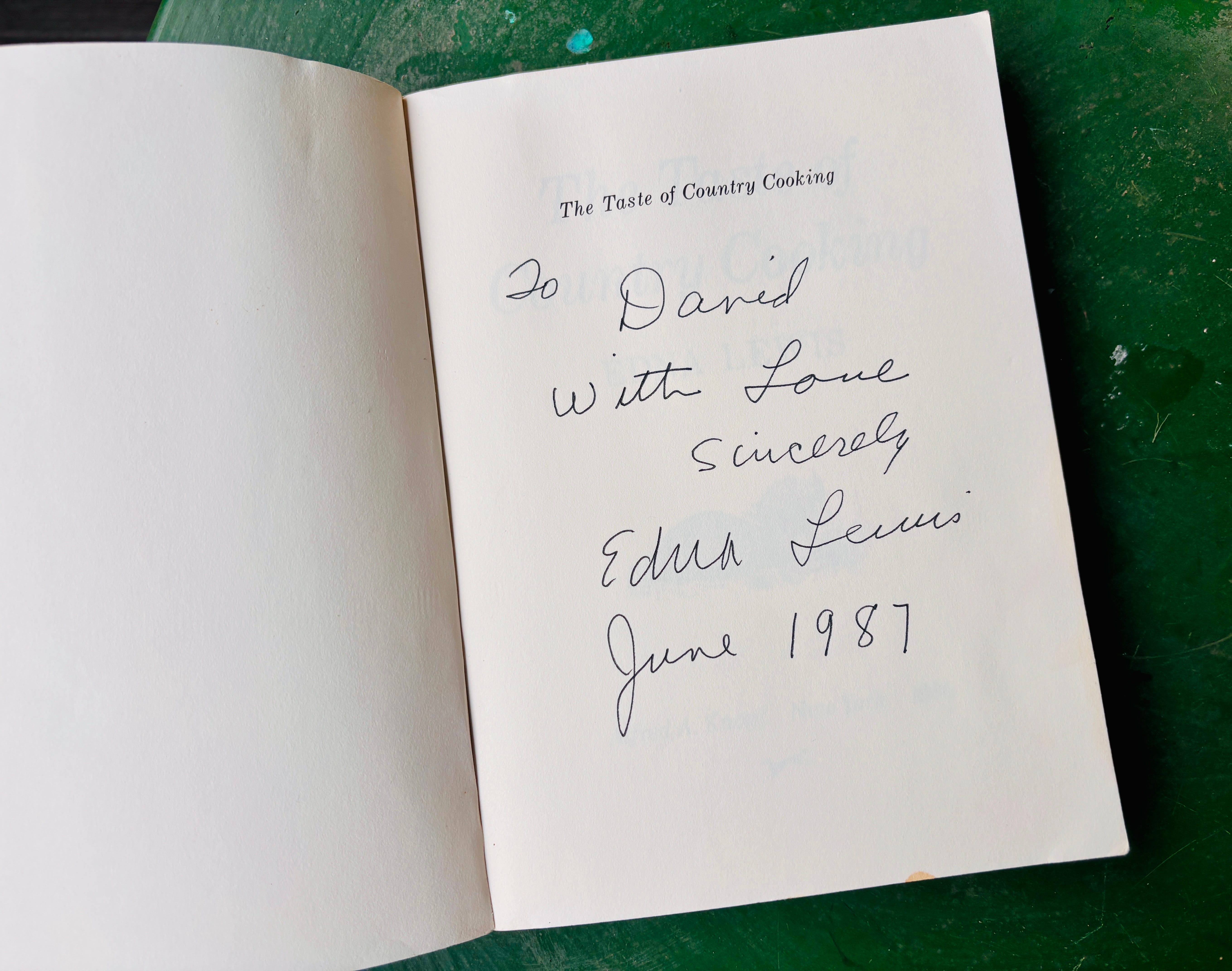
Recently I opened up my copy of The Taste of Country Cooking by Edna Lewis. The granddaughter of a freed slave, she and her seven siblings grew up in Freetown,a Virginia community founded by other freed slaves that was composed of eleven families. The book reflects on a different time and a seemingly gentler place, and she bucolically recounts her childhood, skimming cream from crocks of milk to churn into butter, making jelly from wild grapes, and wine from dandelion blossoms, as well as beer, from persimmons. There was also the weeding of corn fields, gathering hickory nuts to make cookies, pickling wild mushrooms, hand-churning ice cream, and enjoying her mother’s homemade liver pudding, made after the hogs were butchered.
I’m not sure how many kids today would enjoy liver pudding, or doing chores, but her writing is so evocative that I could imagine them.
Miss Lewis, as she was later called, grew up and eventually moved to New York City where she was hired as a chef, a rarity for a Black woman in those days. She began as the chef at Cafe Nicholson in 1948,then later in life, in 1988, became the chef at Gage & Tollner when she was 72 years old.
In between, she did everything from pheasant farming and catering to teaching cooking classes. She was prodded by editor Judith Jones, who edited Julia Child, Madhur Jaffrey, James Beard, and Jacques Pépin, to write her now-classic book, The Taste of Country Cooking. It’s so beloved that there was a 30th anniversary edition of the book, and coming soon is a 50th anniversary edition. (For a more complete picture of Edna Lewis, there are some in-depth biographies of her here, here, and here.)
Subscribe to my newsletter to get future posts, recipes, Paris dining tips, and more…sent right to your Inbox!
By the time I met Edna Lewis, her hair had turned a ravishing grey color and she wore it tightly pulled back, which emphasized her striking features. She was one of the most beautiful people I’d ever seen, and I was fortunate enough to meet her and have her sign a copy of her book to me. After she passed, her likeness was featured on a U.S. postage stamp.
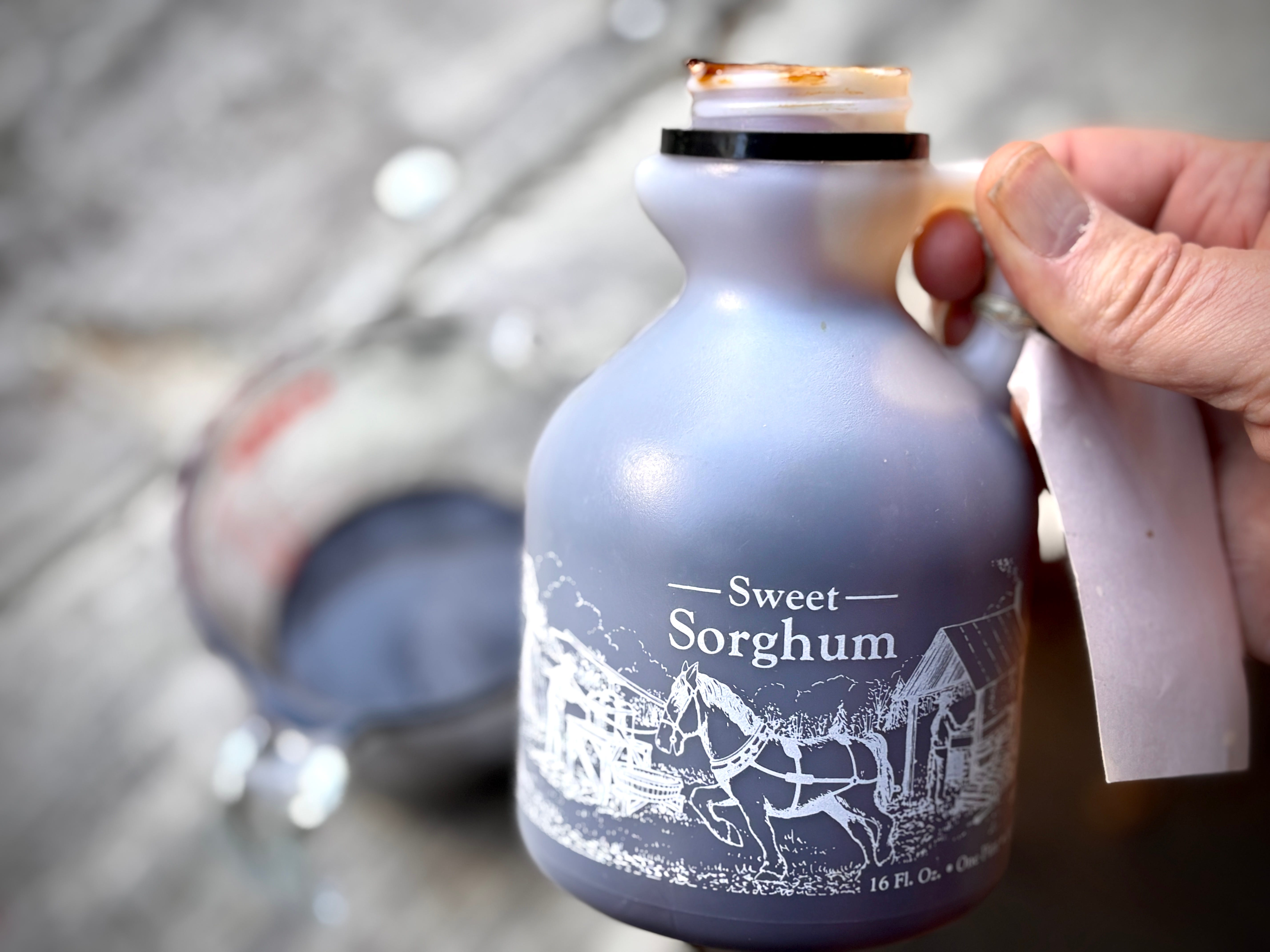
I recently decided to clean out my freezers. Yes, freezers, plural, and I’m hoping to tackle my kitchen cabinets next. In one cabinet I have a little jug of sorghum molasses from who-knows-when. Maybe when I made Sorghum ice cream with sorghum peanut brittle? Every time I come across it, I think, “I need to use this.” It gets brought to the front of the cabinet, waiting for its turn, then eventually gets pushed towards the back again.
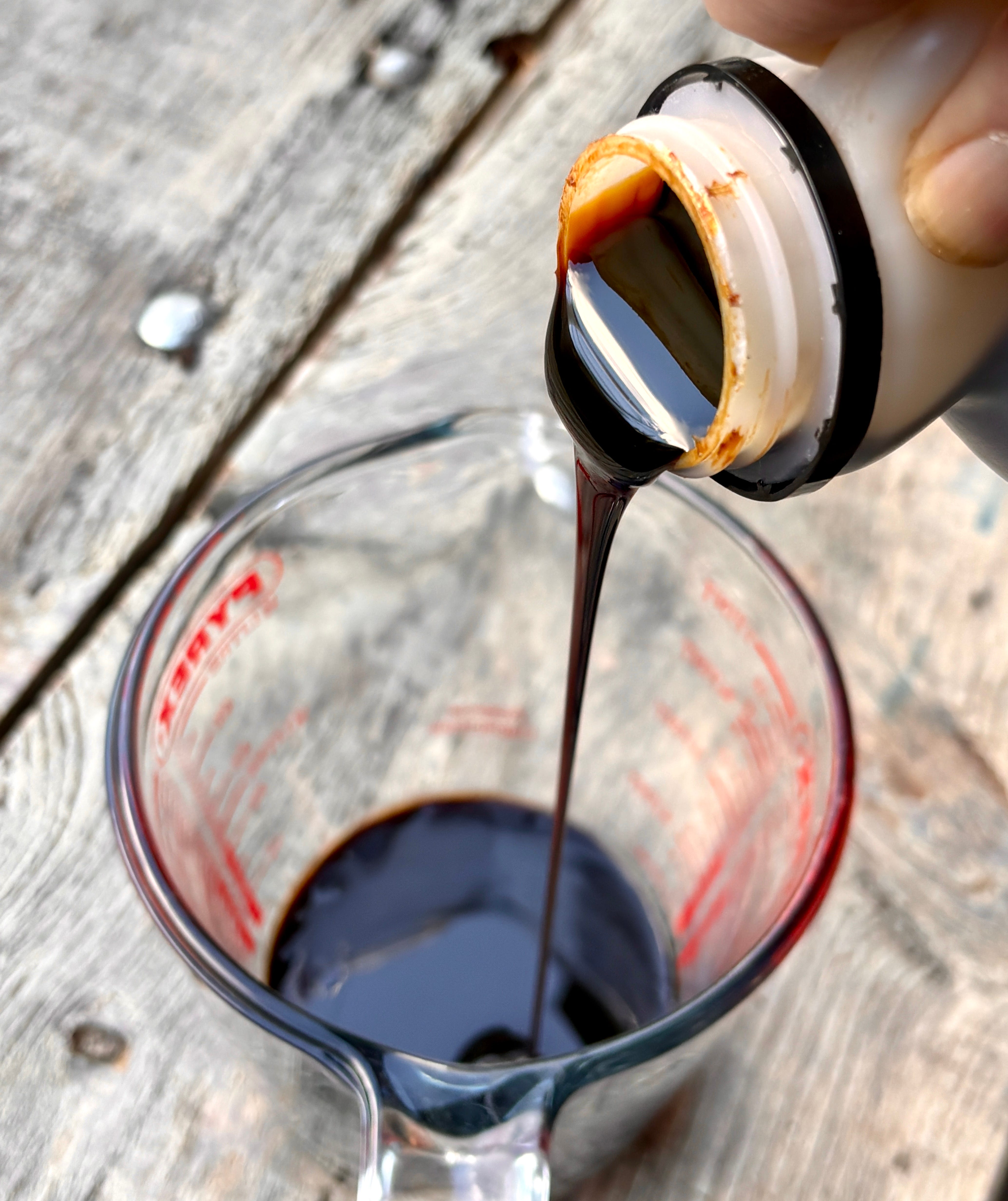
But when I saw that Edna Lewis had a recipe for Warm Gingerbread with Sweetened Whipped Cream in the book that called for “1 1/2 cups sorghum molasses”* — finally, I’d found just the right place, and time, to use it.
The molasses that many of us know is made from sugar cane or sugar beets. Sorghum is a grass that arrived in America from Africa. It became widely grown and used in the American South, although sorghum syrup (as it’s also called) is not as widely known, or as available, as cane sugar molasses, which is a shame because it’s really tasty stuff.
Sorghum molasses has a tangier, more complex flavor than standard baking molasses, which is called light or mild molasses. It falls between those and blackstrap molasses; the latter is very intense and too assertive for most baked goods.
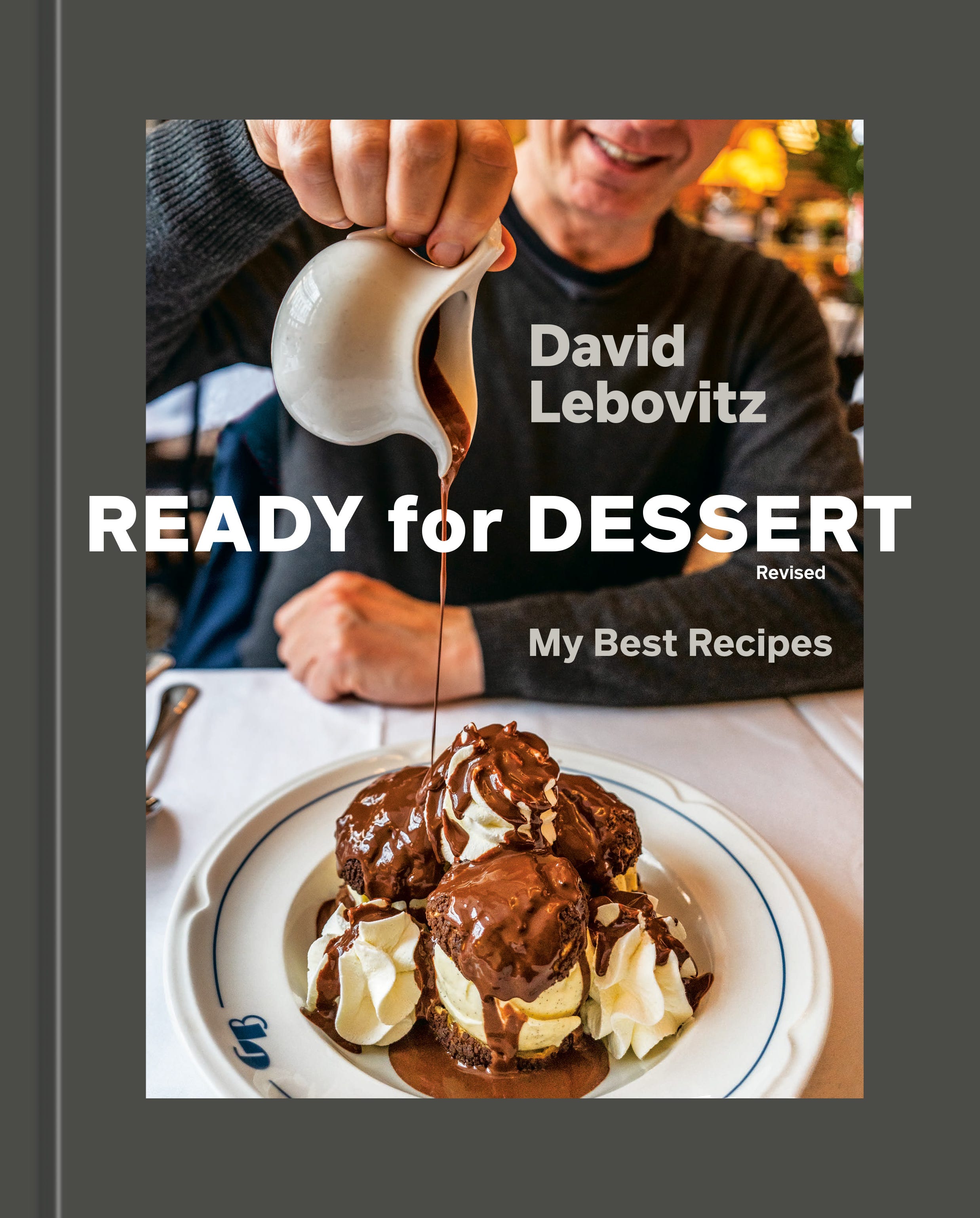
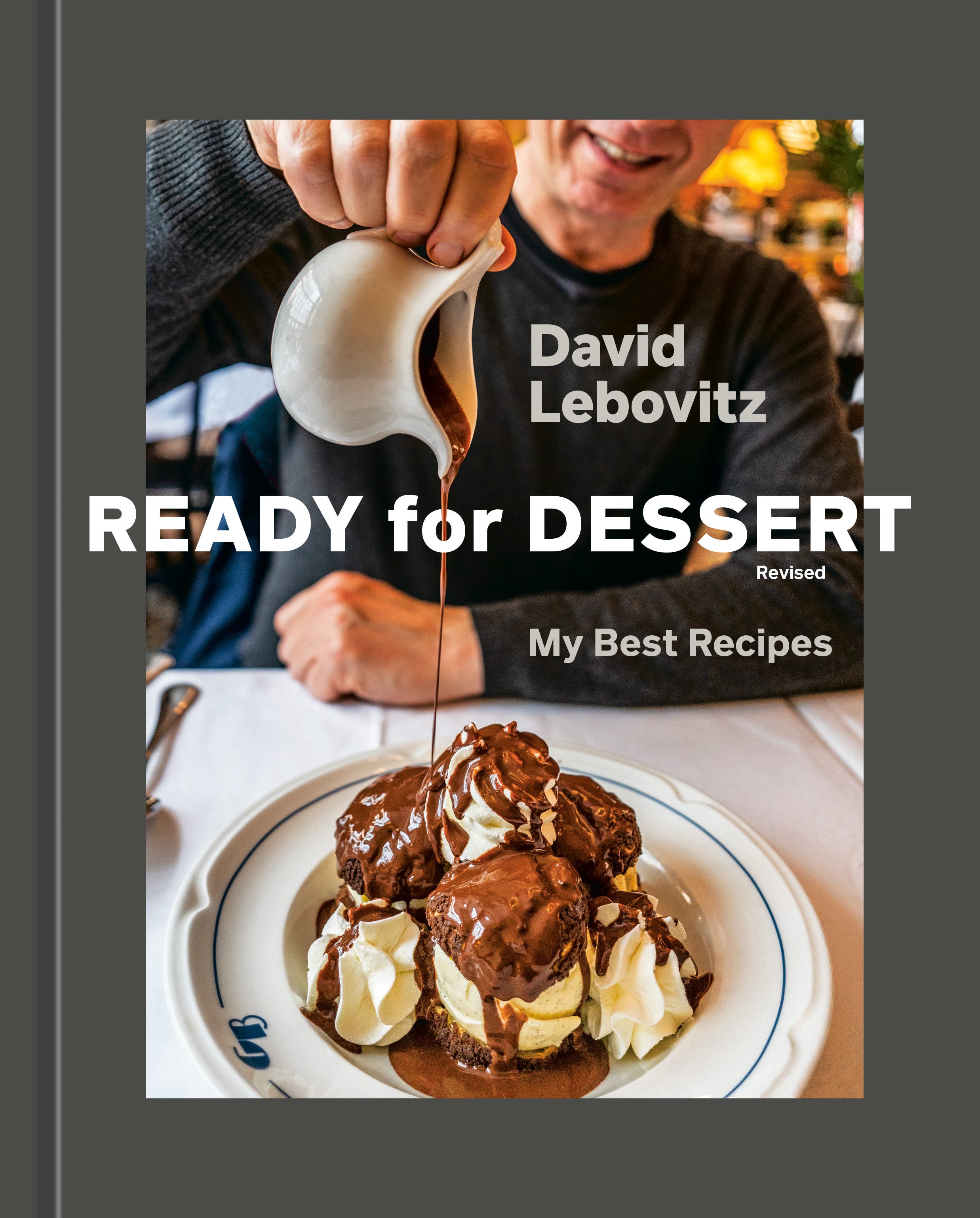
When I was revising Ready for Dessert, I noticed the most prominent molasses brands in the U.S. have changed how they labeled molasses, which gave me a bit of anxiety, trying to explain them to my dear readers, so I asked a friend coming over from the States to bring them all to me so I could taste them myself. Because that’s who I am.
Brer Rabbit, one of the major brands, sells three types of molasses: Blackstrap, Mild Flavor, and Full Flavor. The blackstrap was very strong and bitter. I didn’t taste a big difference between the Mild and Full Flavor molasses, but they recommend the Full Flavor for baking and the Mild as a sweetener. Grandma’s sells Original and Robust molasses. The latter isn’t called blackstrap but tastes like it.
Molasses isn’t used much here in France, but mélasse is available in natural food stores and is very strong, similar to blackstrap molasses. So if I have to use it, I’ll cut it with honey. In the UK, there’s treacle, and here is how it compares to molasses.
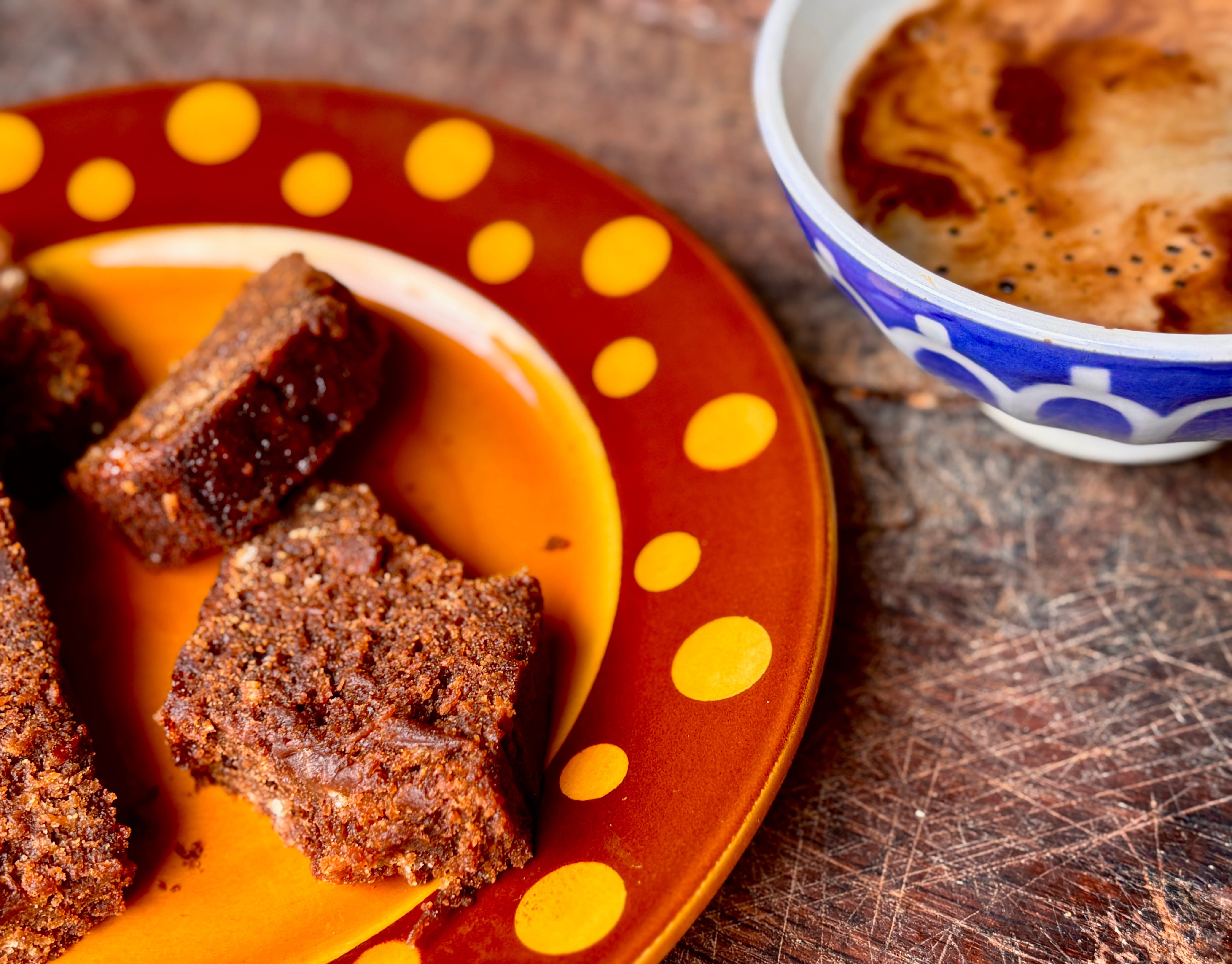
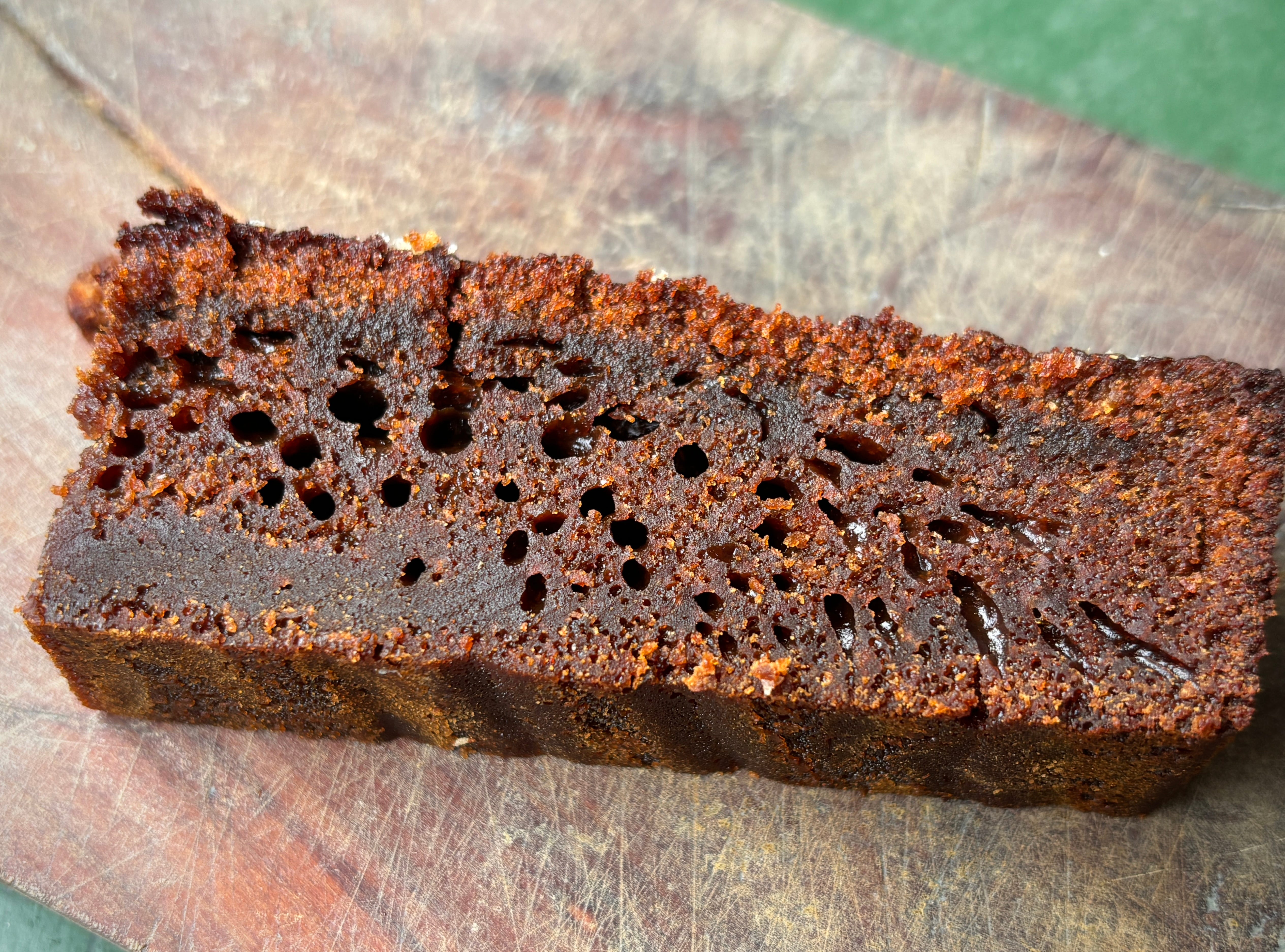
The first gingerbread that I made from the book turned out quite dense, as you can see above. It tasted great (Romain loved it…), but the texture wasn’t what I was expecting. So I made it again without the 1/4 cup of oil, which I used in place of the lard** that the recipe called for, and it came out beautifully. And we’ve been snacking on it all week.
Edna Lewis’s final book, published in 1988, was titled In Pursuit of Flavor, which echoed something my grandmother, who was from the same generation as Miss Lewis, complained about. She couldn’t tell if it was because she was getting older, but to them, food had less flavor than it did when they were growing up. However, there’s no denying that this gingerbread is packed with flavor.And like Miss Lewis’s words, the warm spices and flavor of the rich, bittersweet molasses hark back to a different time, one of civility and grace — and getting a taste of both of those can’t be beat.
Adapted from The Taste of Country Cooking by Edna Lewis
Like many snack cakes, this one is made in a square cake pan. If you don’t have an 8-inch (20cm) square cake pan, according to this (calculated by someone better at math than me),you can use an 8-inch (20cm) round cake pan with a little math. I haven’t tried it but I’m fairly certain you could bake it in a 9-inch/23cm round cake pan if that’s all you have. It may come out thinner and you might have to adjust the baking time up or down. Just go by the toothpick test to test for doneness, which is invariably accurate. You may find the texture of this cake to be denser than other gingerbreads. (If you’re looking for a lighter gingerbread, my ginger cake recipe is lighter, and made with fresh ginger.)
Do make sure to give the batter a good whisking if you see any little lumps in it. They won’t dissolve during baking, so you want to make sure there aren’t any before you pour the batter into the pan.
Butter an 8-inch (20cm) square cake pan. Dust the inside with flour and tap out the excess. Cut a piece of parchment paper into a square to line the bottom.
Preheat the oven to 350ºF (175ºC).
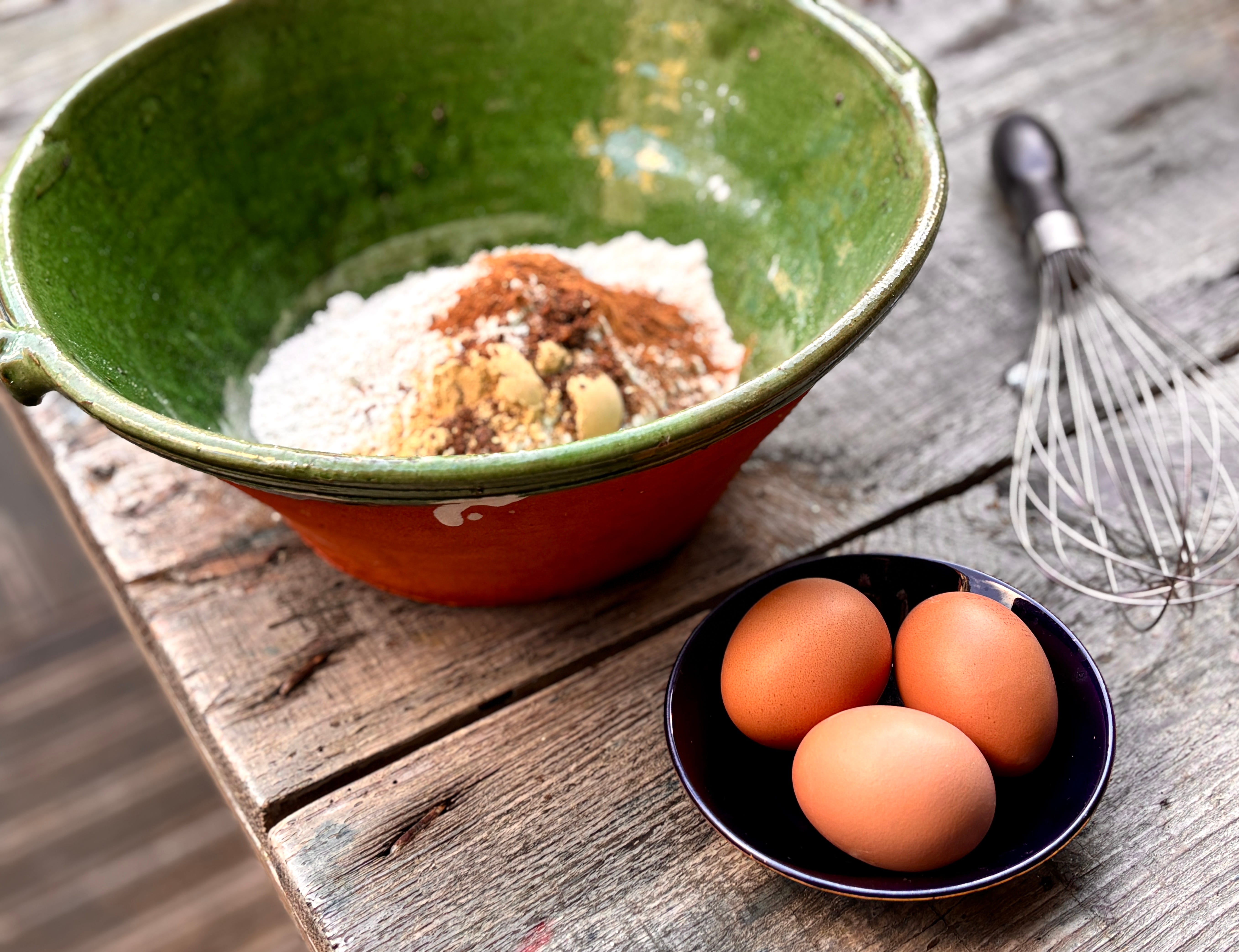
In a large bowl, whisk or sift together the flour, baking powder, baking soda, ginger, cinnamon, cloves, and salt.
Heat the water until it’s very hot in a small saucepan. Remove from the heat and add the cubes of butter. Stir until the butter is melted, then stir the water and butter mixture into the dry ingredients.Mix in the eggs one at a time, stirring until smooth, then mix in the molasses. If the batter is lumpy, whisk the batter briskly until it’s completely smooth and lump-free.
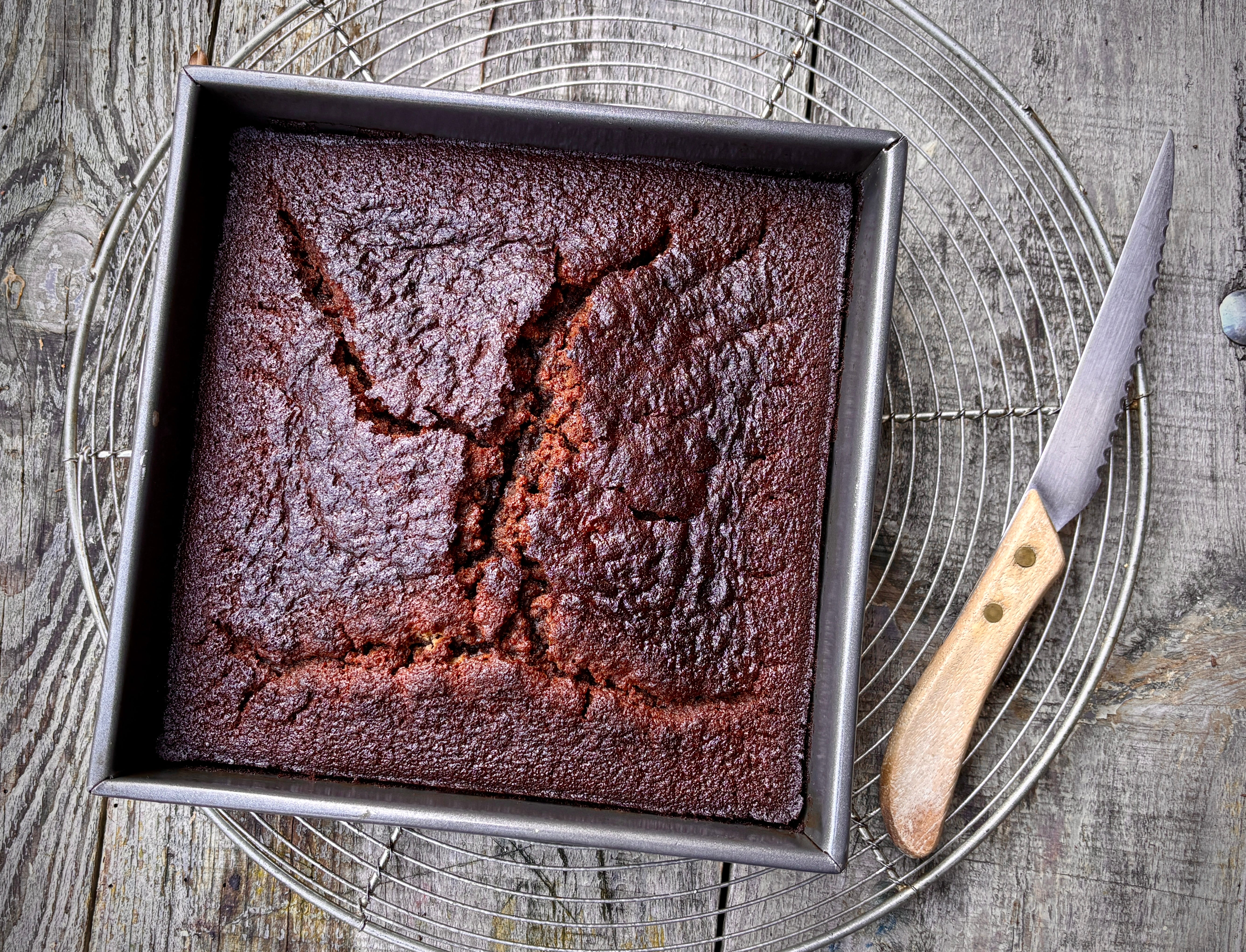
Scrape the batter into the prepared cake pan. Bake the cake until it feels set in the center and a toothpick inserted into the middle of it comes out clean, 35 to 45 minutes.
Cool the cake in the pan on a wire rack. The cake can be served warm or at room temperature. To remove the cake from the pan, run a knife around the outside of the cake to separate it from the cake pan, then tilt the cake out of the pan. Peel off the parchment paper, then place the cake on a serving platter.
Serving: Edna Lewis served this cake warm with whipped cream, which she made by whipping 1 cup (250ml) of heavy cream with 2 tablespoons of sugar and 2 teaspoons of vanilla extract. Modern tastes might reduce the amount of sugar in half.
*Although I see some websites refer to it as sorghum molasses, it’s often called sorghum syrup.
**Lard isn’t commonly used in baking in France. It’s available in supermarkets, called saindoux, and is mostly used for greasing the griddles when making crêpes.
In the U.S. tomorrow, we’re observing Martin Luther King Day to commemorate an outstanding civil rights leader. It’s a federal holiday so hopefully, things will be quiet. Eight years ago, Rory and I went on a civil rights tour of the American South. It was a somber experience but also empowering, especially with our stops in Atlanta, GA. Highlights included the MLK National Historic Park, the King Center for Nonviolent Social Change established by his wife, Coretta Scott King, and the Ebenezer Baptist Church where Dr. King was baptized and later went on to serve as co-pastor with his father, the Reverend Martin Luther King, Sr.
As compelling as those places were, none rivaled the moving experience in Memphis, TN, at the National Civil Rights Museum. The museum is located at the site of the Lorraine Motel where Dr. King was assassinated.
We’re living in uncertain times, but whenever I think about the challenges that Dr. King faced, his legacy gives me strength and hope for our nation.
On a lighter note, I took inventory of this newsletter and realized that in 2025, there were over 90 PTFS dispatches. I’ve been brainstorming ideas for 2026 but but also want to know about your culinary interests for this year.
The 2025 newsletters covered a lot — from travel and product reviews to food history, health, and recipes. Many of the recipes were low-meat and vegetable forward, or meaty with a vegetarian version. That’s the PTFS vibe — we aim to cook for a variety of moods and dietary needs. We’re a community of people who want to know more than just the usual. We are curious.
To refresh your memory of the kinds of content we had in 2025, here’s a quick run through.
Japanese ginger carrot dressing harkened back to Los Angeles in the late 1980s for me. It’s such a good, workhorse dressing to keep for refreshing noodle salads or crisp greens. Right now, its sunny orange-gold color makes great use of winter’s sweet carrots. And, I didn’t know the interesting history behind the dressing until I investigated it for PTFS.
Beef short rib vegetable pho showcased how you can build a tasty pho bowl by combining short ribs with flavorful vegetables. It’s less fussy, more convenient and economical, and tasty. Freeze extra for future pho.
Wok-Kissed Pho with Beef and its kin, the tofu-mushroom version, are super takes on a northern Vietnamese pho. The easy cooking methods yields fabulous, deep flavors. You rarely find this pho outside of the Hanoi area but every pho lover should know about it!
Vietnamese Tamarind Shrimp (or Tamarind Tofu) employ a fruit that’s emblematic of Saigon’s botanical history. The result are the tangy, umami, mildly spicy flavors of southern Vietnam.
Crispy panfried noodles and crispy panfried rice noodles offered techniques for craveable noodle pillows that you can top with a succulent stir-fry. What’s made at restaurants seldom satisfy my need for truly crispy noodles!
Mapo tofu macaroni and cheese is a casserole that you can easily prepare for a family meal or a pot luck. I don’t know why I didn’t think of it sooner.
Charsiu ribs and pork steak are two recipes that let you choose between gnawing (ribs) or just diving in (steak!). They’re weeknight recipes for quick meals.
Charsiu tofu has the tender richness that’s dare I say, kinda like pork belly, but it has none of the fat. It’s flavor-packed so it’s as good as the pork version!
I put the above list together in the late afternoon and got very hungry. So many good recipes came out of 2025. There were a lot from prior years too. One of my goals for 2026 is to create a master list of recipes that you can easily browse alongside doing a regular ol’ search.
Back to planning for 2026! Looking forward to the next 12 months or so, what would you like to know more about and cook up — literally and figuratively?
The beginning of the year is such a groggy time for me. I still feel like I’ve not fully awakened or something. To help dispel some of the lethargy, I spent a few cathartic hours pruning out in the garden. Things don’t look great now but hopefully, as the weather warms up, things will green up and or fill out. Tending to the edible plants is my job (we have a low-key gardening service for the rest of the yard). I remain carefully optimistic, despite my negligence.
A number of you found the tropical fruit information to be of great interest. Ellyce asked about how to grow ginger well on the mainland. I asked my friend Chan for tips and she quickly offered great insights. Check out Chan’s tips in the comments section of last week’s aloha midweek gems; I pinned our conversation to the top of the comments section!
As for how pineapple grows, I found a couple of photos from last week to show you how that Sugarloaf had grown before I harvested it.
Yes, you just then replant and there’s a new plant to make another pineapple!
💎 Co-gardening to share resources and harvest
My neighbor, Adrienne, is a superb gardener. She also has full sun. When one of her lemon trees didn’t work out, I suggested that we co-grow an Italian lemon and a Southeast Asian calamansi tree. Between the two of us, we also have Meyer lemon, Bears lime, and makrut lime.
I bought the trees locally (they’re grown by Four Winds, which ships too) and Adrienne planted them and tends to them. She loves cocktails and calamansi’s unusual tart-sweet (think lime x tangerine) flavor is good for that. I use calamansi for nuoc cham dipping sauce and other Southeast Asian dishes; I also squeeze the juice into soda water for a fizzy drink. Calamansi (Citrus × microcarpa)is often seen in Filipino cuisine but is also native to other parts of the region, including Indonesia and Taiwan.
It’s only been about 3 months but the little calamansi put out fruit already!
Only about 1 1/4 inch wide, calamansi is rare so what I was able to harvest is extra special. If you’re tight on space or if you don’t have the right growing conditions for something, team up with a neighbor!
Pass the Fish Sauce needs your support! Subscribe for free or join us as a paid-subscriber to access all content and get many other benefits. I can’t produce PTFS without your generosity! Thank you.
💎 Food processor reviews
Last year when we were recipe testing the Thai cookbook, Jen in New Zealand shared that the food processor she uses most is a smallish one, though she also has a bigger capacity machine. Jen is a very good cook. I asked my friend Heidi Swanson of 101 Cookbooks and she also has a smallish machine. Were they onto something? Is bigger always better when it comes to processors?
So I got a small processor, then I got another. I’ve been using them all — including big boy and the minis - for about 6 months to figure out what works best for home and why. I just wrote up my assessment on the website. I was surprised by the performance of a $40 processor, so much so that I also made a casual video to show you that it’s worth considering. Check out the new food processor buying guide.
💎 Chicken pho for healing
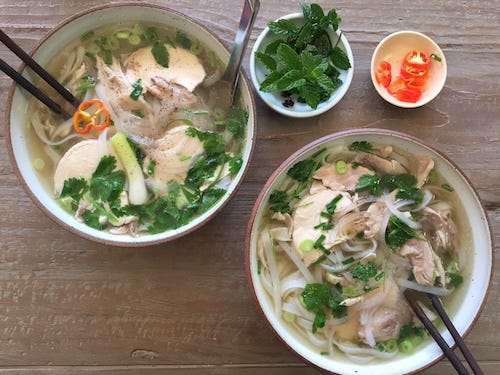
Several friends on the East Coast have reported getting a terrible flu around New Year’s. If you’re in the same boat or are nursing someone back to health, make a pot of chicken pho. Make chicken pho using my Instant Pot chicken pho recipe or the long simmer, more traditional version of phở gà. Both are excellent and it just depends on your equipment. When I’m unwell, the aromatic chicken pho broth and squiggly noodles are extra comforting.
💎 Say 👋
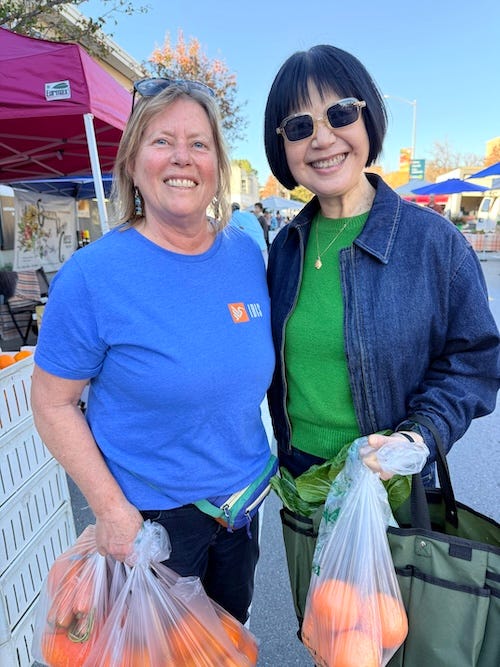
If you see me out and about, don’t hesitate to introduce yourself to me like Meg did this week at the Santa Cruz farmer’s market. We were both shopping for oranges and yes, the weather here this week is heavenly!
Next up — think about what you want to learn and cook in 2026. Paid subscribers — this will be your chance to seed what we do at PTFS this year.
Dakgangjeong, extra crunchy on the outside, tender inside, and coated in a sticky, sweet-savory sauce.
Boneless chicken cooks faster and stays super crispy, making this dish perfect for parties or a special snack at home!
If I told you that today’s recipe is for dried-out brownies, I wouldn’t blame you if your finger was hovering over the keyboard, ready to click away. Look, I like soft, moist, chocolatey brownies as much as the next guy. (Perhaps even more.) But this is one of the most surprising recipes I’ve come across, and one that I wasn’t expecting to like as much as I did.
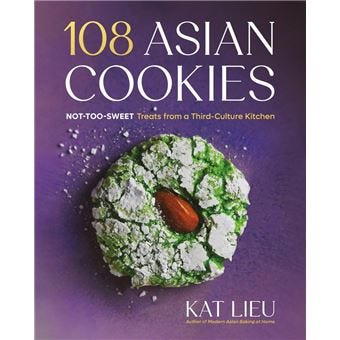
It’s from a new book, 108 Asian Cookies by whose subtitle will likely resonate with quite a few of you: Not-Too-Sweet Treats from a Third-Culture Kitchen, and I was intrigued by the idea of Asian cookies.
Flipping through the book, I found that quite a few of the recipes are variations of Western favorites, which is where the third culture comes in. There are Linzer cookies accented with yuzu, Lace cookies get drizzled with miso caramel, Thai basil perfumes Chocolate sandwich cookies, and Red velvet brownies are spiced up with doubanjiang, Chinese fermented bean paste.
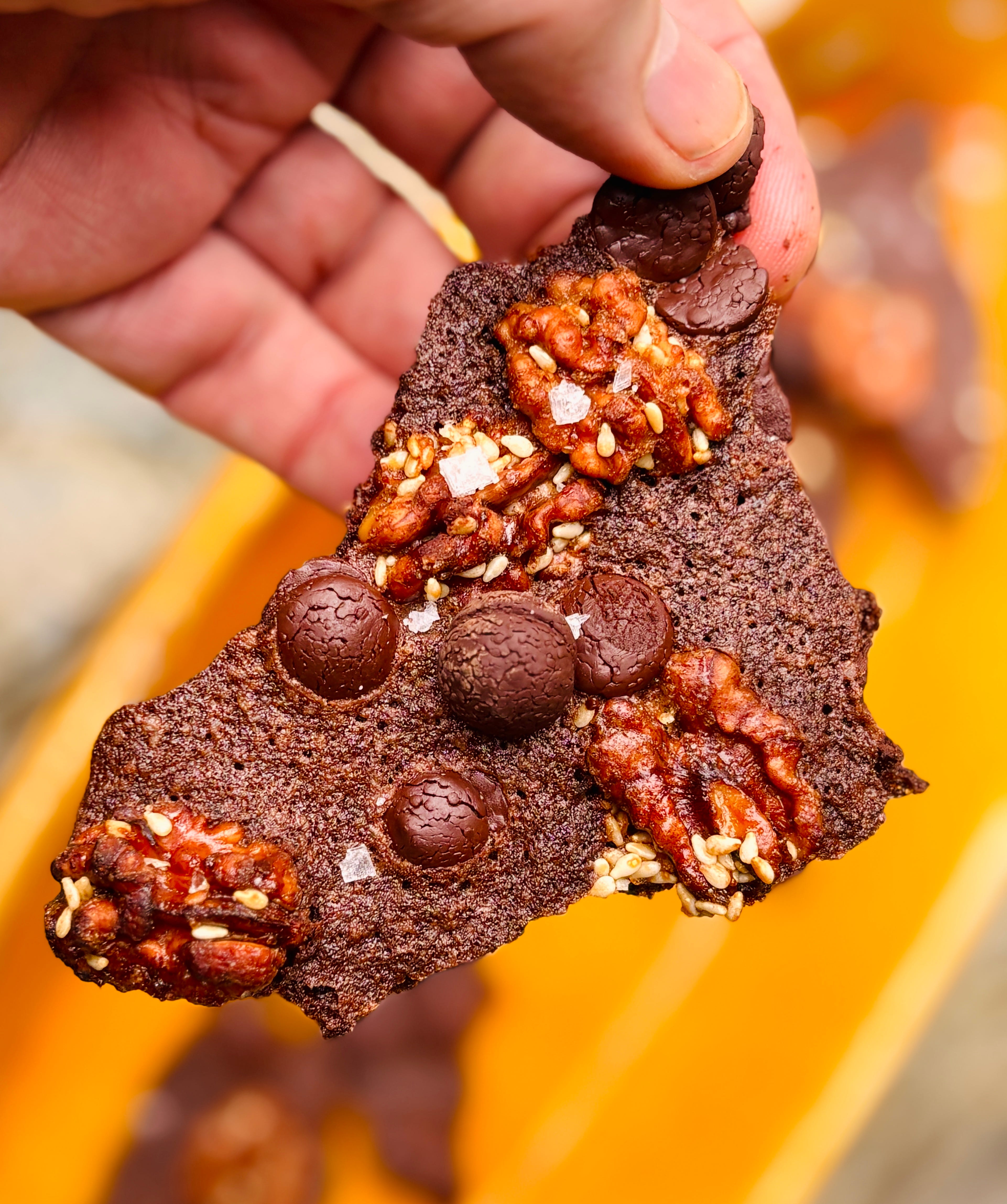
I’d bookmarked a few recipes but the Chocolate brownie brittle with candied walnuts stood out, partially because I had all the ingredients on hand, and partially because I’m drawn to crispy foods, even when the moniker is applied to brownies. I couldn’t imagine how a crackly, uber-thin brownie could satisfy my chocolate cravings. I like very dark chocolate desserts yet wasn’t sure something as thin as a coin could give me the same pleasure as a dense, chewy brownie. But I was proved wrong.
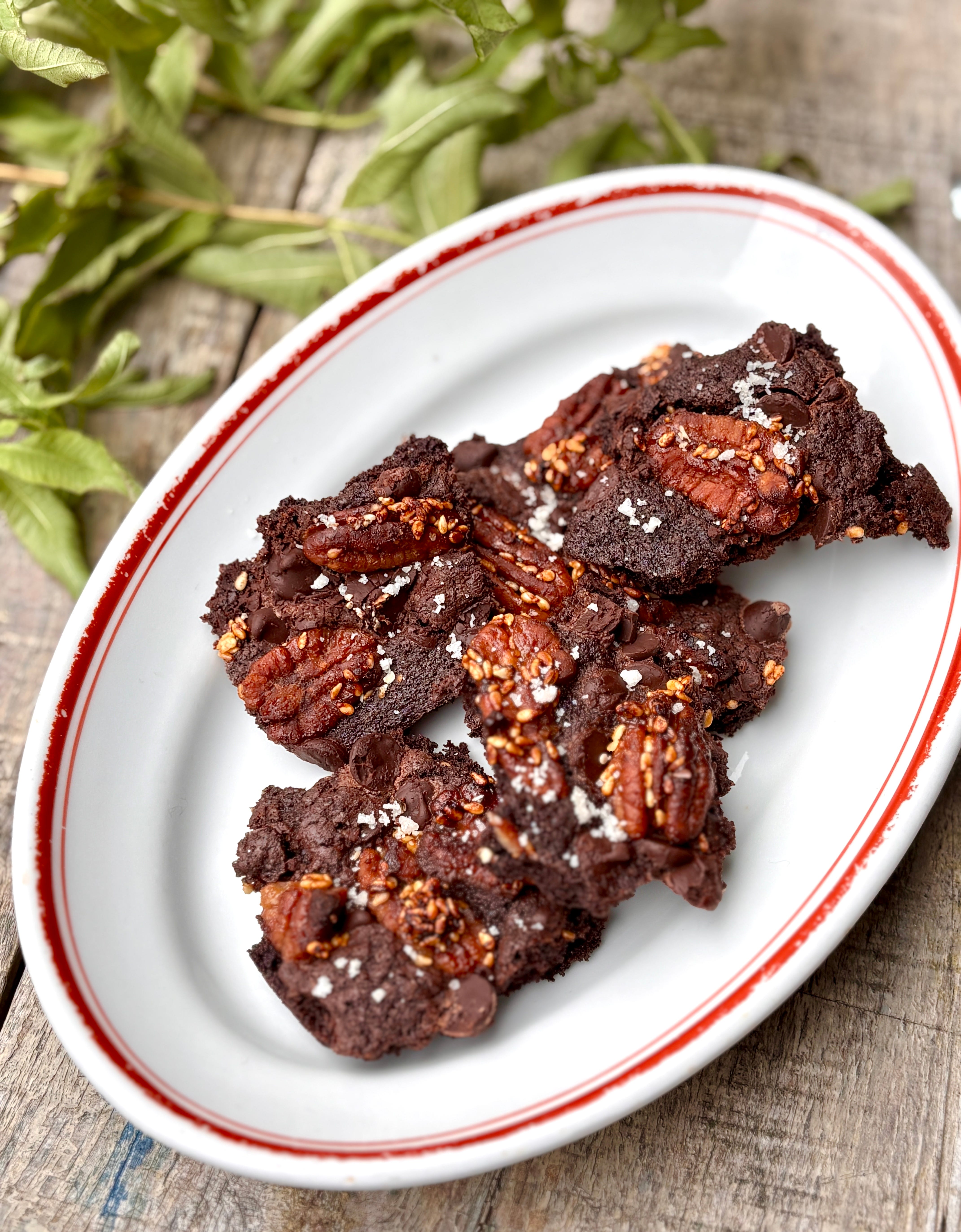
My first batch, with candied pecans.
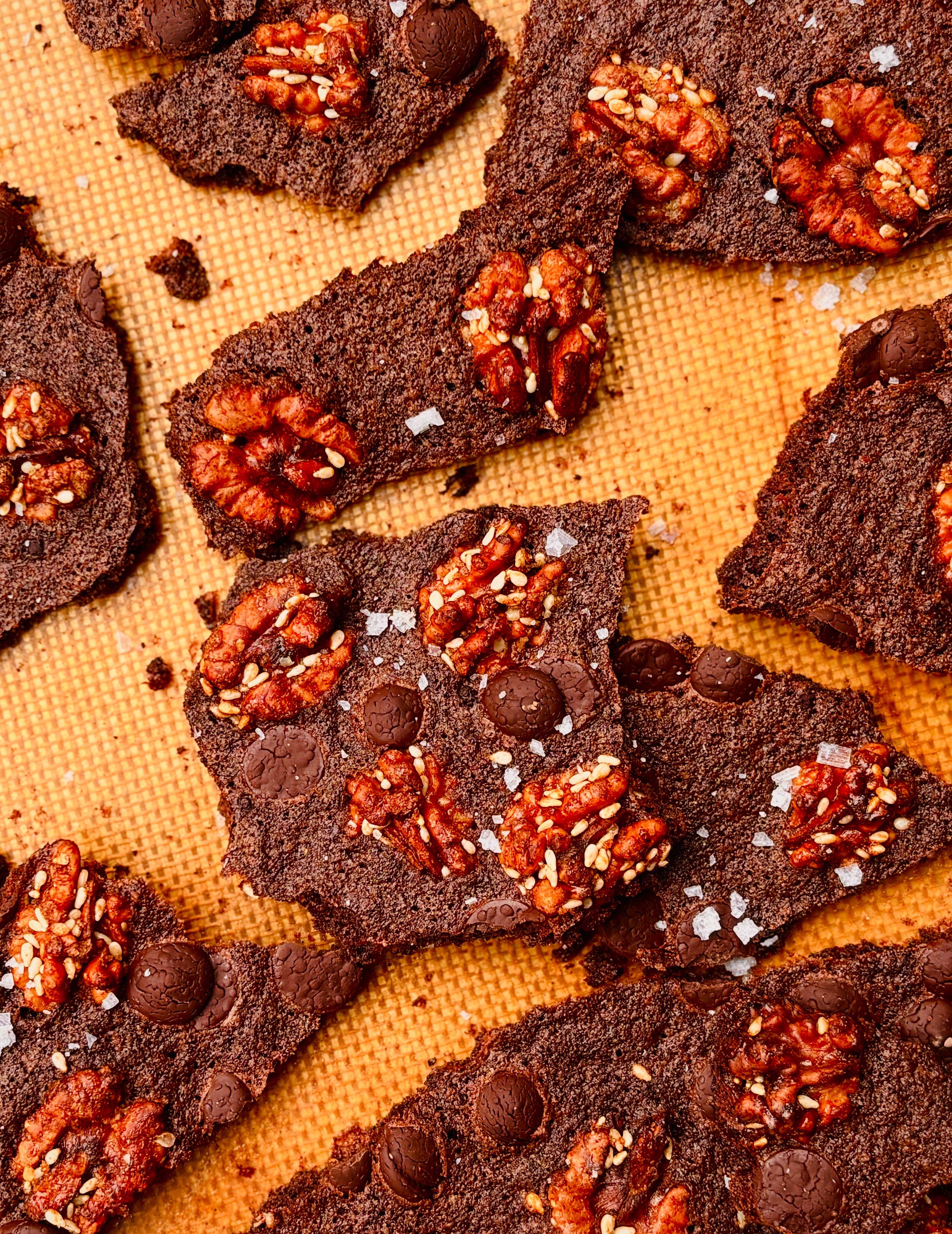
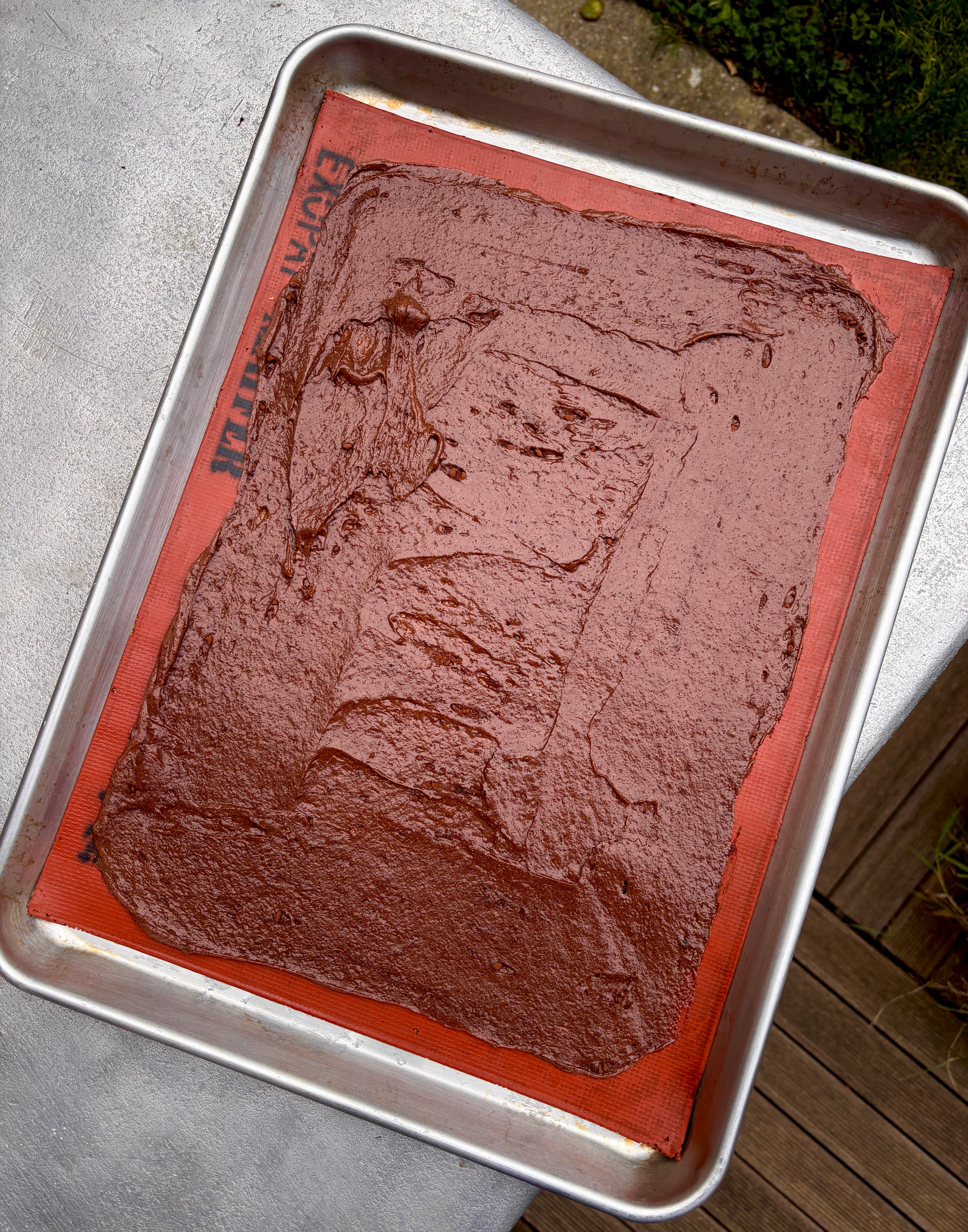
My first reaction to them, coming out of the oven was, “Um…okay…” The brittle looked like dried-out shards of chocolate batter.
Then I took a taste and wow — was that good!
Subscribe to my newsletter to get recipes, stories, Paris dining tips, and more, sent right to your Inbox!
Like a number of recipes in the book, this one called for a tablespoon of Japanese whisky in the brownie batter and a tablespoon of miso in the glazed walnuts. I’m not sure if I could discern a difference if I omitted that small amount, or maybe my palate isn’t as acute as other people’s. But you can take matters into your own hands and Kat offers up bourbon as an alternative to the Japanese whisky, which I didn’t have on hand (but I’ve got plenty of other whiskys), and I do have white miso, which I swapped for the red miso called for in the walnuts. But I also tried the candied walnuts with soy sauce in place of the miso, which works, too.
I tend to use dark cocoa powder (Valrhona or Cacao Barry extra brute) when I bake because I don’t believe you can have too much chocolate flavor. But when you use it, things’ll come out darker, and you risk people seeing your pictures and saying, “Hey, that’s burnt.” I’m not sure if comments like that are meant to be helpful, or what. But if you don’t know what you’re talking about, it’s probably best not to say anything.
For the first try (shown farther above), the brownie brittle came out quite dark due to the cocoa powder and looks almost burnt, but wasn’t. 😅
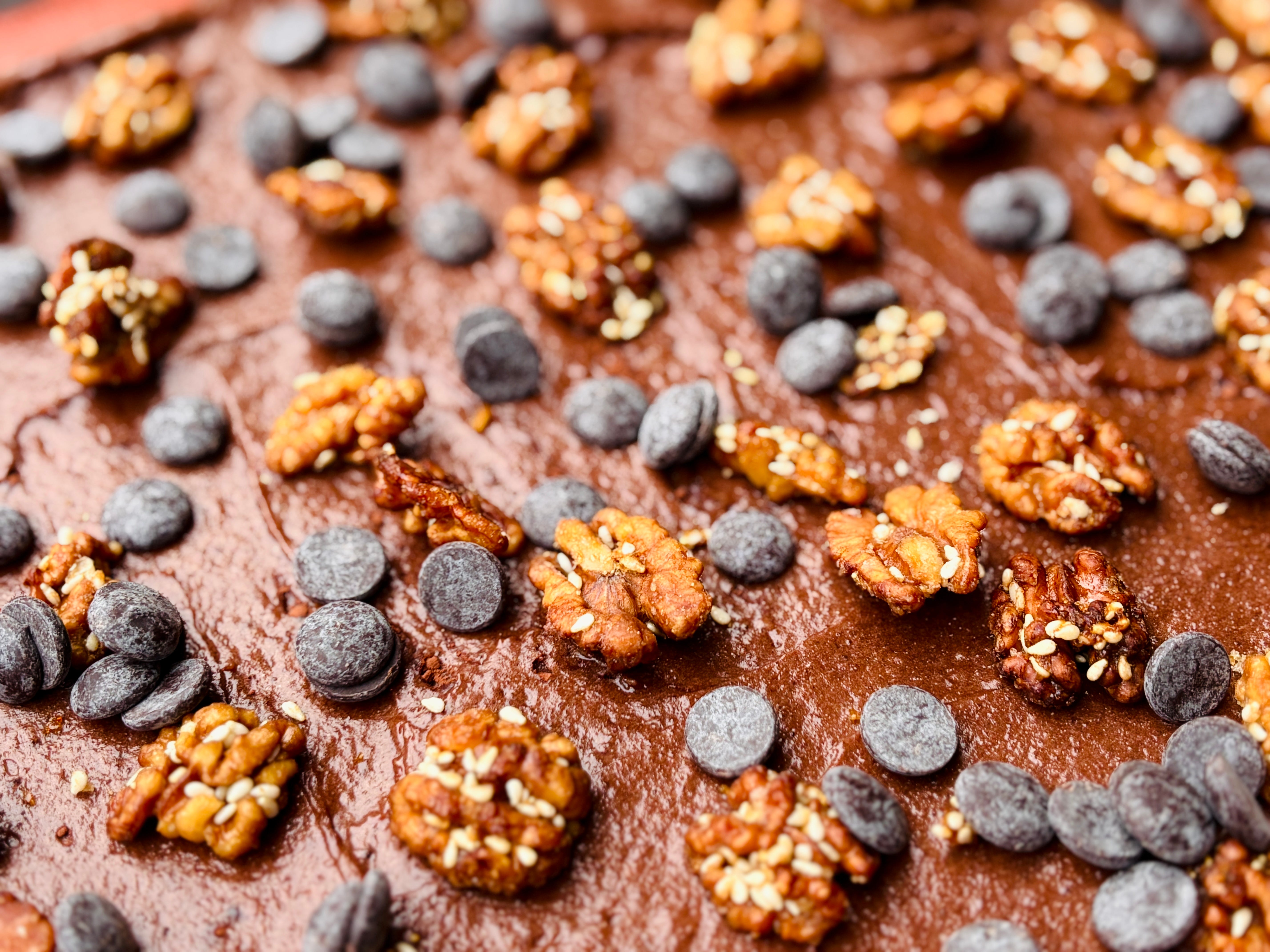
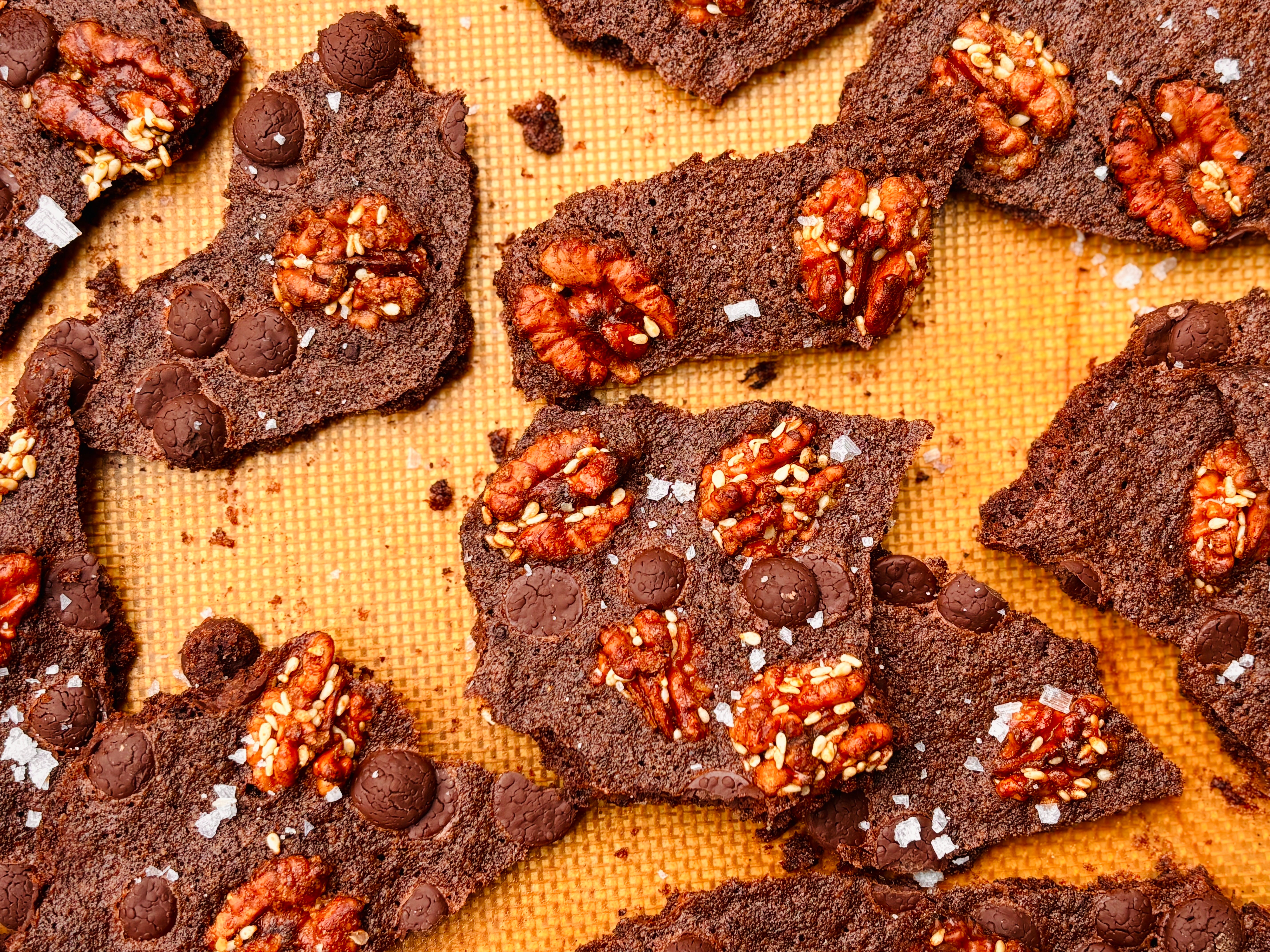
The next time I gave it a go with regular Dutch-process cocoa powder (Bensdorp), below, and they came out a little lighter. (Note: I took the pictures on different days and the light here changes almost by the hour. So there are some differences due to that, too.)
In addition to the rich chocolate color, the chocolate flavor came through loud and clear. The chocolate chips scattered about gave it an extra boost of chocolate, and the lightly savory nuts were just as delicious on their own as they were on the brittle…and thankfully the recipe makes extra, so you can toss them into a winter salad. Baker’s Bonus: A few of the nuts may fall off the brittle when you break it up, with the caramel fused to the batter, which are especially tasty to snack on.
Bravo to Kat for introducing me to this brittle. Not only that, but friends who came by and grabbed a bite loved it too. I’m not a fan of the word “addictive,” but I’m going to use it here because in this case, I know what I’m talking about and won’t shut up about it.
This chocolate brownie brittle has lots of chocolate flavor, even though the batter has only 2 tablespoons (12g) of cocoa powder. The chocolate chips on top also dial up the chocolate flavor, but I’m a sucker for anything with candied nuts on it as well, and this brownie brittle ended up checking lots of boxes for me.
In her book, Kat calls for Japanese whisky in the brownie batter, and red miso with the candied nuts. I tinkered and tested it with various ingredients and substitutions, and if you don’t have red miso, you could use white miso or soy sauce, or leave it out and just stir in a good pinch of salt when mixing in the nuts with butter and sugar. For the Japanese whisky (or bourbon) in the brownie batter, I made it with a teaspoon of pure vanilla extract, and it came out very well, but a tablespoon of rum or brandy would work too.
I also gave the recipe a go with pecans in place of the walnuts, which work just as well. Whichever you use, you’ll end up with more candied nuts than you’ll need for the brittle; leftovers can be tossed in awinter salad or enjoyed as a snack.
Candied walnuts
2 cups(220g) whole shelled walnuts
1/4 cup (50g) sugar
2 tablespoons (30g) unsalted butter, cut into small cubes, at room temperature (very soft)
1 tablespoon red or white miso (optional, see headnote)
1 tablespoon whisky or 1 teaspoon pure vanilla extract (see headnote)
1/2 cup (85g) bittersweet or semisweet chocolate chips
Flaky sea salt, such as Maldon or fleur de sel
To make the candied walnuts, preheat the oven to 350ºF (175ºC). Line a baking sheet with parchment paper or a silicone baking mat.
Put the walnuts in a medium saucepan, cover them with water, and bring the water to a boil (this reduces their bitterness). Drain the walnuts very well in a strainer, shaking off as much excess water as you can. Put the walnuts in a medium mixing bowl and add the sugar, cubed butter,miso (if using), and sesame seeds. Stir vigorously until the butter and sugar are melted and the nuts are well coated.
Spread the nuts and any liquid on the prepared baking sheet. Bake for a total of 18-20 minutes, stirring the nuts every 5 minutes, making sure that you mix in the nuts from the edges of the pan, which will start browning first, toward the center, so they all toast evenly. When done, the nuts should be lightly browned. There may be some syrup on the pan when the nuts are finished. If so, stir the syrup into the nuts as they cool so it coats the nuts, which’ll firm up as the nuts cool.
(The nuts can be made a few days in advance and kept in an airtight container at room temperature.)
To make the brownie brittle, reduce the heat of the oven to 325ºF (160ºC). Line a baking sheet with parchment paper or a silicone baking mat.
In a small bowl, whisk or sift together (if the cocoa powder is lumpy) the flour, cocoa powder, baking soda, and salt. In a separate medium bowl, whisk the egg whites until they just start to hold their shape when you lift the whisk, but are still a little sloshy; don’t beat them until stiff.
Whisk the sugar into the egg whites in four additions, then stir in the melted butter and whisky or vanilla. Fold in the dry ingredients with a flexible spatula. Spread the batter on the prepared baking sheet so it’s in a thin, even layer (a small, offset metal spatula works best for this). You want to end up with a rectangle that measures about 14 x 10 inches (35 x 25 cm). Top the batter with about 1 1/4 cups(115g) of the walnuts (or more, if you want) evenly spaced over the top, then the chocolate chips.
Bake the brittle until it’s baked through and crispy, 20 to 25 minutes. Remove from the oven and let cool on the baking sheet, then sprinkle with flaky sea salt and break into shards.
Storage: The brittle will keep for 3-4 days in an airtight container at room temperature.
Years ago, a woman in Vietnam emailed complimenting me, I think. She wrote that my food was old fashioned. She also wrote that food in Vietnam has modernized a lot. Her email made me realize that for many Vietnamese refugees, cooking the food of our heritage is a nostalgic act. We cook to recall the past and feel grounded in who we are because at the end of the cooking, we get to enjoy familiar flavors, even if we feel somewhat alien in our adopted country.
My family cooked up a lot of quê hương (hometown) nostalgia while I was growing up, but we also adapted things to establish roots here in America. As I wrote earlier, my mother was on a pâté chaud journey to master homemade puff pastry, a major Viet-Franco achievement for a good home cook like her. The savory pastries were a favorite in Saigon, where we once lived.
If you missed the pâté chaud backstory, this recent post will fill you in!
We were so well fed that we got chubby. Then my mom started looking for ways to eat healthier without compromising the foods we loved.
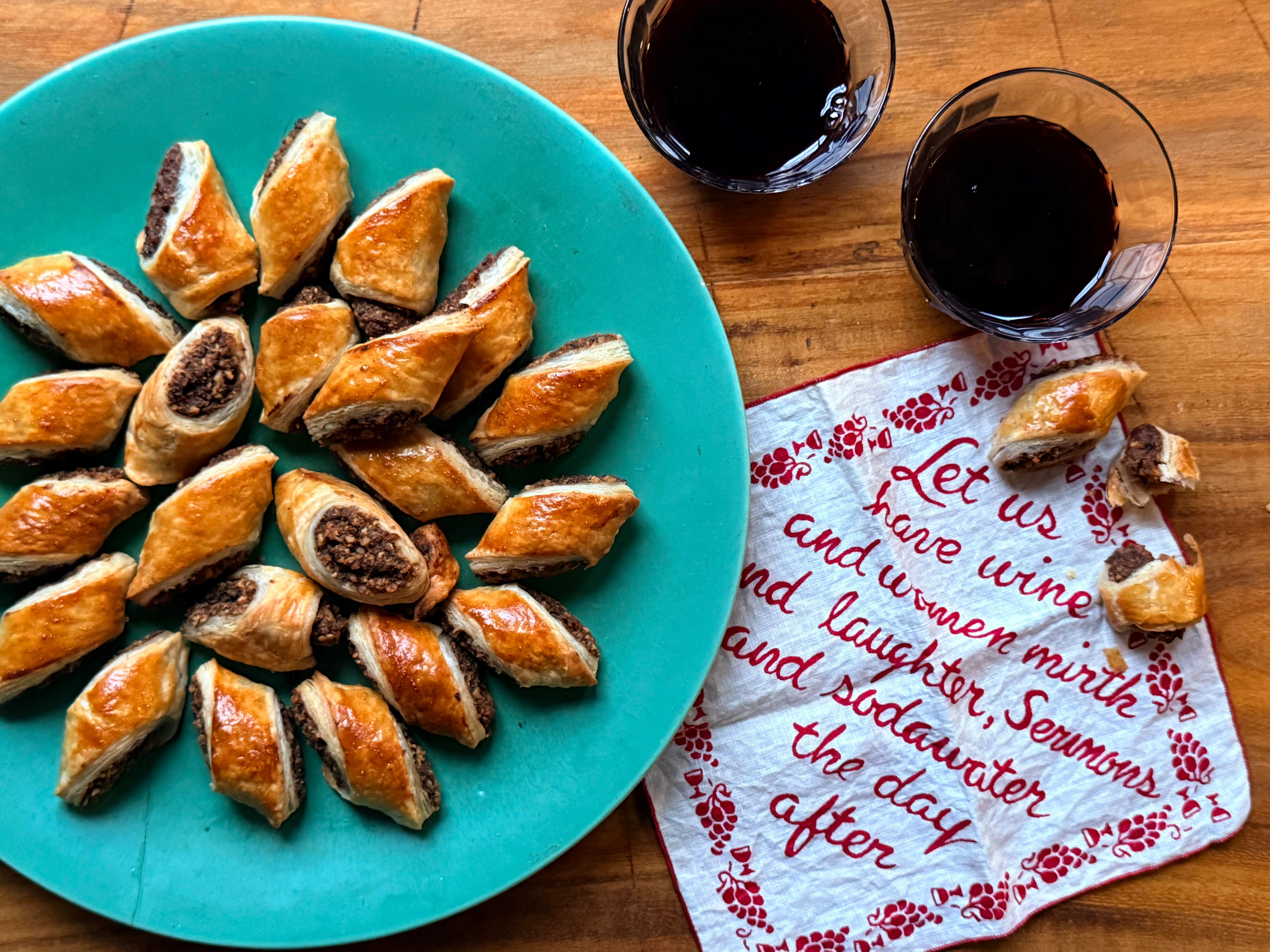
Her solution? She pivoted to creating mini pâté chaud — diamonds of crisp pastry filled with her aromatic filling. They were portion-controlled 2-biters that didn’t get you into trouble, unless you ate too many. Instead of enjoying them as a regular breakfast item, our family served them up as a nosh with drinks. We enjoyed them at Christmas and other indulgent celebrations. She trotted them out of the freezer to impress guests at parties.
I’ve stuck with the minis over the years because it’s a sane and healthy-ish way to enjoy pâté chaud. There’s less pastry and more filling and it’s super easy and fast to prep.
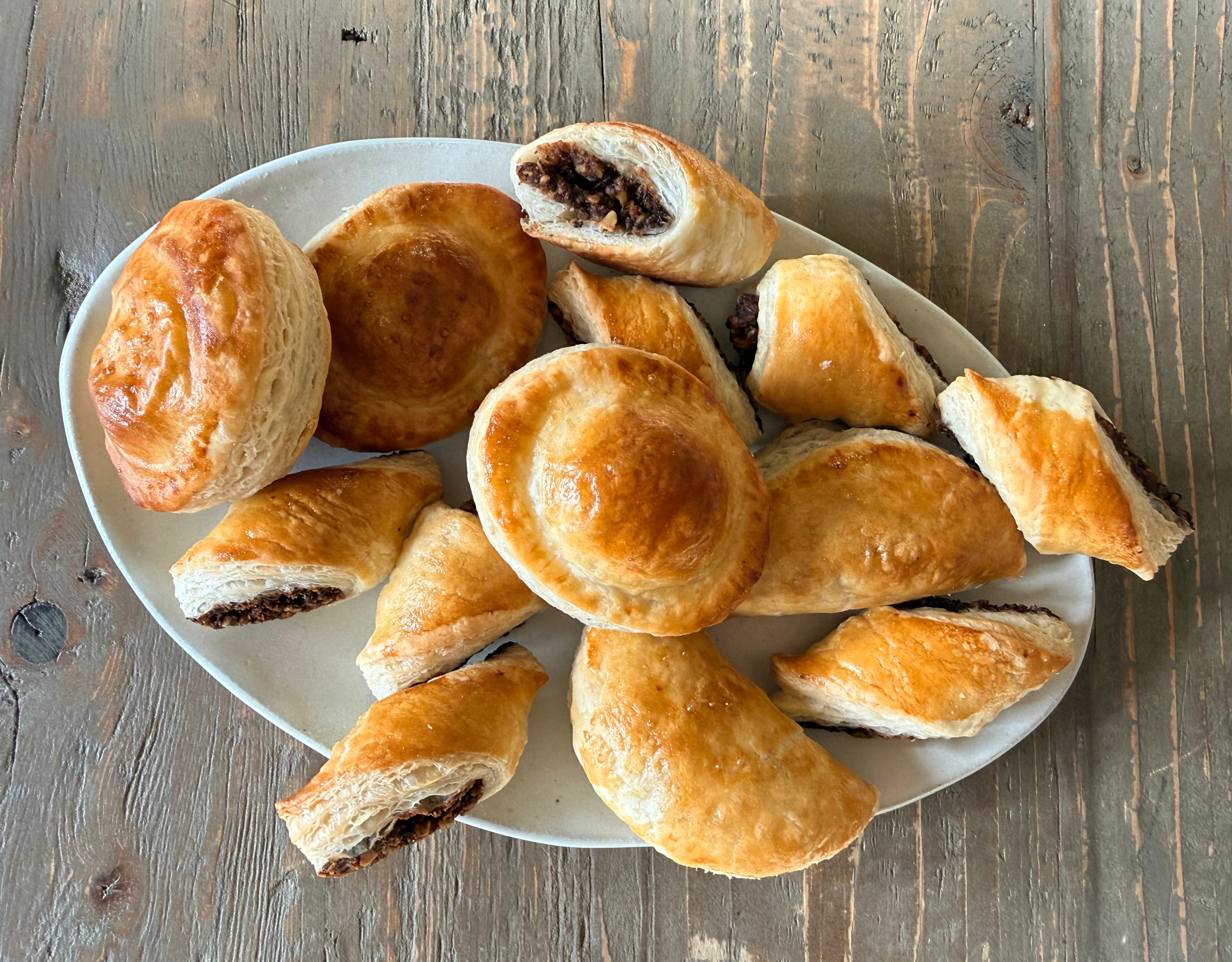
Many Vietnamese cooks abroad still make the traditional round shape but I’ve also spotted squares and half circles too. Modern pâté chaud may contain the traditional pork filling or feature beef or chicken. I’ve seen vegetarian pâté chaud too.
Given all those iterations, I created three recipes for you to play with pâté chaud. Below you’ll find the following:
A mini pâté chaud recipe plus instructions for making different shapes
Two filling recipes to craft meaty or vegetarian (or vegan) pastries
Process shots plus a how-to video to guide your journey
FAQ for buying, making, and working with puff pastry
Freezing and reheating tips
The pastries are fun to make and even more fun to eat. My brother in law could hardly tell the difference between the vegetarian and meat ones!
I’m hoping that at the end of all this, you’ll be confidently and joyously baking up a platter of something like this:
Nostalgia cooking can be good because cooking up memories can lead to adaptations and innovations. Let’s make pâté chaud!
Curious cooks, readers, and eaters fuel Pass the Fish Sauce. For the full low-down on pâté chaud history, where to buy them, and now, how to make them, join us a paid subscriber! You’ll gain all that information, 100+ recipes, and sponsor my work. I value your support at any level. Your generosity matters. A LOT.
I’m freshly back from Australia, where I celebrated my cousin’s wedding, spent time with family in Melbourne, escaped to Tasmania, and rang in the New Year in Sydney. Every time I visit, I somehow fall a little more in love with the country and the people. It’s becoming a pattern. A very pleasant pattern.
My biggest folly this trip? Packing. I confidently assumed “summer in Australia” meant I could live exclusively in shorts and breezy shirts. The weather had other plans. It turned out to be cooler than expected, which meant I spent part of the trip mildly underdressed and dramatically layering whatever warmer pieces I could find, looking like I had packed for three different climates and committed to none.
At the risk of sounding delightfully unadventurous, I don’t have any extreme, cinematic goals for 2026. I’m not climbing Everest. I’m not jumping out of planes. My ambitions are gentler, but just as heartfelt: I’d love to finally take a bonsai class, start a personal photography project I’ve been putting off, get better at my Lagree Reformer workouts (which I fell in love with last year), read more books, and spend a little less time staring into the glowing rectangle in my hand pretending it’s “research.”
Small shifts, soft goals, and hopefully fewer packing mistakes.
On a much more sobering note, we lost the incredible and deeply generous Chef Elle Simone Scott this week. I had the privilege of meeting Elle during my very first days at America’s Test Kitchen, and even in that brief window, her presence left a lasting imprint on me.
Elle was the first Black woman to join the ATK show, and for so many people, she was not just a familiar face on television, but a symbol of possibility, belonging, and excellence. When I met her, she greeted me with an ease and warmth that immediately put me at home. She was open, encouraging, and genuinely invested in helping newer voices find their footing, their confidence, and their place.
In a kitchen—and an industry—that can often feel intimidating, Elle led with kindness. She made space. She lifted people up. And she did it all while carrying her own quiet strength. She will be deeply missed, and her impact will live on in the many people she encouraged, inspired, and welcomed in.
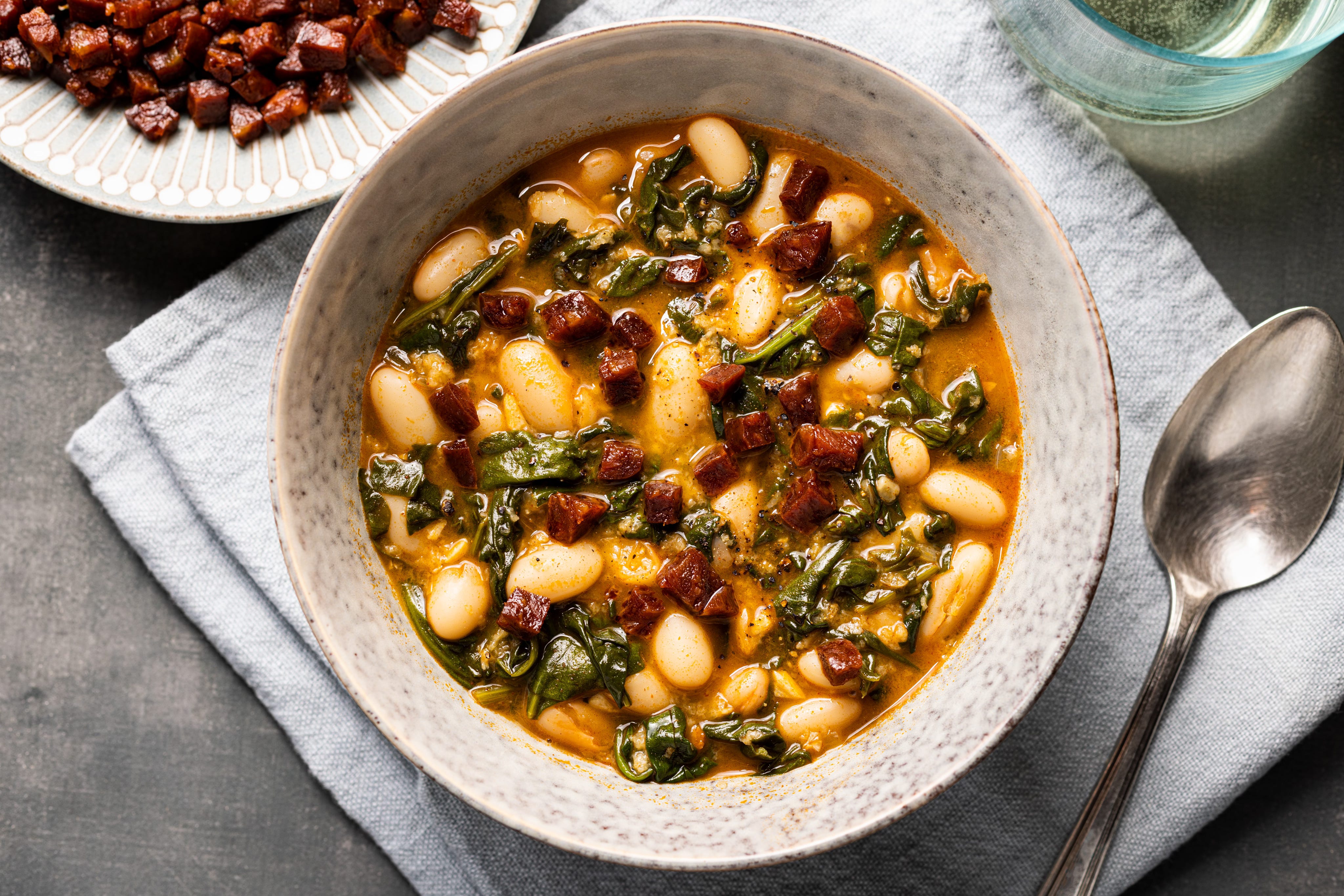
Chorizo and White Bean Soup
Inspired by Goan and Iberian flavors, this is the kind of soup that smells like you’ve been cooking all day, even though you absolutely have not. Smoky chorizo releases fat-soluble flavor compounds into the pot, creamy white beans thicken the broth naturally with their starches, and a final hit of greens and acid wakes everything back up so it doesn’t taste like winter fatigue in a bowl.
In other words, it’s comfort food engineered for maximum flavor efficiency.
You can find the full recipe over at America’s Test Kitchen — and I highly recommend putting it into heavy weeknight rotation while pretending you planned it days in advance.
Apparently I’m not the only one who loves polenta cake. The Italians like it so much that it’s called Amor Polenta. Which means “Polenta Love.”
Well, at least that’s what I thought it meant, because amour in French means “love.” And I assumed that it was the same in Italian. (Another reason for finally getting on that life-long ambition to live in Italy and learn Italian.) But for now, checking in an Italian dictionary, I found out that “amor” means “sake.” (As in, for the purpose of.) So I’m not sure how it got its name, but this cake makes a pretty good argument for the sake of whisking polenta into a cake.
I’m one of those people who is completely crazy for anything with cornmeal, from corn bread to even a kind of kooky polenta ice cream that I’m sure no one else has ever made, because I used a completely obscure polenta that very, very few people can get their hands on. But I felt compelled to make it, for the sake of using up a little bag of that polenta that I had.
Fortunately, polenta is available just about anywhere. I like to buy stone-ground polenta, which has a crunchier flavor. But you could use instant polenta for this cake, normally something I avoid. But I found myself with a bag of it and was looking for ways to use it up. And here’s where the rest of it landed.
Like many Italian cakes, which are unlike American cakes, this is not a buttery bomb of richness. True, there is butter and a few eggs in there. But the great flavor comes from ground almonds, which tend to make the cake much moister the following day as the nut oils soak the crumb, which is one of those baking terms (unlike amor) that pretty much seems to be what it is talking about. The polenta adds a bit of a savory quality to desserts, which draws me to use it a lot when baking.
This cake is a great snacking cake and I tend to walk around my apartment several times during the day, somehow landing frequently near the cake, where a serrated knife just happens to be stationed alongside. Ready and waiting to lop a slice off.
In addition to a collection of polentas, I found myself with a collection of eaux-de-vie on hand. Some were gifts, others were picked up on my travels. A few are anise-based, which pair nicely with polenta, and chocolate. I have a ginger one that is great when summer fruits are in season, like peaches, nectarines, and apricots. And the long bottle in the front right, the eau-de-vie of lees that I got in Switzerland, after I found out how good raisins in lie (eau-de-vie made from leftover grape yeast, and other stuff that falls to the bottom of wine vats post fermentation) was, after gorging on cauldrons of fondue.
As astute readers can see from the fill line of the bottle, that project never came to fruition. (I’m too busy trying organize my polentas and eaux-de-vie. And plotting a way to live in both Italy, and France.) But I did add a few shots of orange liqueur (not shown), which gave it a little boost of flavor. Not enough to be perceptible. But like that bag of instant polenta I’ve had for a few months, I was always conscious that it was there. You can use any kind of liqueur that you want – maraschino, limoncello, absinthe, kirsch, or even anise liqueur.
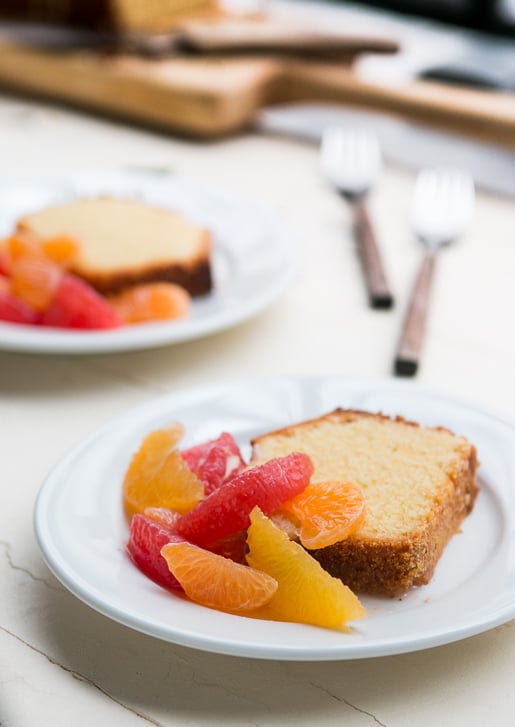
As much as I like this as a snacking cake, it can be dressed up with a fruit compote. I sectioned some tangerines, navel oranges, and pink grapefruits, drizzled a little honey over them, and served them alongside the cake. I had planned to spoon some warm sabayon over the cake and fruit, but decided that I had too many other things to do. Namely, get cracking on using some of those bottles of liqueur that I’ve been hoarding.
For this cake, using fine-ground polenta or instant polenta will result in the smoothest texture, although whatever is available will work. I’ve made it with coarse polenta too, and enjoy the crunch. Almond flour is available at specialty stores, Trader Joe’s, and online. If you can’t find it, grind 7 1/2 ounces (215 grams) sliced blanched almonds in a food processor with the flour until the almonds are pulverized.
Although cakes like this don’t always need adornment, I did glaze it with a dribbly orange glaze that firms up and gives the top a citrus-scented fruity crunch. For those wanting to skip the liqueur in the cake, you can leave it out and increase the almond extract to 1 1/4 teaspoon. For the glaze, you replace the liqueur with orange juice.
Ingredients
For the cake
8ounces (225g)unsalted buttercubed, at room temperature
scant 1cup (180g)sugar
zest of 1 lemon
3large eggsat room temperature
2tablespoonsliqueur or eau-de-viesuch as orange liqueur (Grand Marnier or Cointreau), kirsch or grappa
3/4teaspoonpure almond extract
3/4cup (125g)finely ground polentaplus additional for preparing the pan
4teaspoonsorange liqueur(such as Grand Marnier or Cointreau)
Instructions
Butter a 9-inch (23cm) loaf pan. Dust the inside with polenta, and tap out any excess. (Note: The pan I used has a nonstick finish. If you want to make sure the cake comes out nicely you may want to cut a rectangle of parchment paper and fit it into the bottom of the pan after you prepare it, especially if using an unfinished loaf pan.) Preheat the oven to 350ºF (180ºC).
In the bowl of a stand mixer fitted with the paddle attachment, beat the butter, sugar and lemon zest at medium-high speed, until it’s light and fluffy, about 3 minutes. (You can also make this in a large bowl, beating the butter and sugar by hand.)
Add the eggs one at a time, stopping the mixer after each addition to scrape down the sides of the bowl. Mix in the liqueur and almond extract.
In a medium bowl, whisk together the polenta, ground almonds, flour, baking powder, and salt, until there are no lumps. Gradually mix the dry ingredients into the creamed butter mixture, just until well-combined. Do not overmix.
Scrape the batter into the pan, smooth the top, and bake the cake until it is golden brown on top and a toothpick inserted into the center comes out almost clean, perhaps with just a few crumbs attached, 45 to 50 minutes. Let cool on a rack for about 30 minutes, then run a knife along the outside of the cake to loosen it from the pan and tip the cake onto the rack. Let the cake cool completely before icing.
To glaze the cake, mix the powdered sugar with the orange juice and orange liqueur until the glaze is thick, but still runny – not too watery, but as thick as a milkshake. If necessary, add a bit more sugar if it’s too thin, or add a bit more liquid if it’s too thick. You can try smoothing a bit over the cake to see if it’s the right consistency for drizzling and dripping down the sides before glazing the entire cake.
Spoon the glaze over the cake, encouraging the glaze to run down the sides by nudging it towards the edges with the back of the spoon or a metal spatula.
Notes
Serving: When the glaze has firmed up, serve slices of the cake with a favorite fruit compote, such as fresh citrus segments, caramelized pineapple, poached pears, or sliced and sugared peach slices (peeled) or nectarines.Storage: The cake will keep for up to five days, if well wrapped, at room temperature. The cake will be noticeably moister the day after baking due to the oil in the nuts. It can be frozen for up to two months.

 Login
Login
 Chow Har Kew is a luxurious version of a Chinese Shrimp and Vegetable stir-fry, with crispy, golden shrimp! Deep-frying meats or proteins—in this case large shrimp—and then tossing them in a velvety sauce makes a Chinese-banquet-worthy dish. The name Chow Har Kew is the way this dish usually appears in English on Chinese restaurant menus, […]