 Login
Loginspinach and ricotta gnudi
15 October 2025 at 21:33


I’m honestly overwhelmed with gratitude. The response to Flavor Forward has been beyond anything I imagined. What excites me most is hearing how you’ve used these episodes to cook something new, to see ingredients differently, or to rediscover why you love being in the kitchen. Thank you for tuning in, for cheering me on, and for sharing this journey with such kindness and curiosity.
This week’s episode is one of my favorites yet, featuring a simple weeknight pasta that combines Italian passata and Korean gochujang. It’s comfort food with a twist: silky, bold, and quietly surprising, much like this adventure has been for me. The sauce reminds me why I love cooking in the first place: how two seemingly different ingredients can come together to create something entirely new.
Watch previous episodes of Flavor Forward
This week, I’m taking paid subscribers behind the scenes into my kitchen to explore how a recipe takes shape. My Guide to Recipe Creation shares the framework and principles I rely on when developing new dishes, using my Pineapple Five-Spice Rice Krispies Treats from America’s Test Kitchen’s Rice Krispies Treat Challenge as a running example. I hope it inspires you to experiment, adapt, and create your own.
Thank you, truly, for watching, for writing, and for reminding me that food connects us in more ways than I could ever put into words.
Cooking gets more exciting when you stop following recipes and start understanding them. This guide is meant to help you think like a recipe developer to see how flavors connect, textures form, and small choices shape big results. Once you grasp the “why” behind a recipe, you can start experimenting with confidence and make every dish your own.
Thank you so much for tuning in to the very first episode of my new show, Flavor Forward! It has been such a joy to share it with you, and the response has been incredible, all thanks to you. I am truly grateful.
In the newest episode of Flavor Forward, I take a humble can of white beans and riff on romesco, using one of my favorite pantry staples: jarred crushed Calabrian chiles. I first discovered these fiery little gems at a pizzeria years ago, and they have quickly become a permanent fixture in my kitchen. I keep two jars in constant rotation. They bring just the right amount of heat, around 25,000 to 40,000 Scoville units, along with a smoky and fruity depth. I have spooned them over eggs, tucked them into grilled cheese sandwiches, and, as in this week’s episode, used them to build dinner-worthy flavors in a romesco bean stew.
Calabrian chiles are often referred to as the “red gold” of Southern Italy. They are so beloved that there is an annual peperoncino festival in Diamante and even a museum dedicated entirely to them. Brought to Europe from the Americas in the 16th century, they quickly became an integral part of Calabria’s identity and cuisine. Their heat is considered medium, but what sets them apart is the complexity of flavor. Warm, fruity, and smoky, they lend depth without overwhelming the dish.
A spoonful of Calabrian chile paste can transform pasta, pizza, seafood, sauces, and more. Locals often say that food is not truly Calabrian without peperoncini, and many even carry them in their pockets to ensure they never face a bland meal. More than an ingredient, they are a symbol of joy and identity. You see them painted on walls, hanging from balconies, and sold in markets as charms of good luck.
Back at home, I am preparing for a family visit from Auckland. My cousin and I can be a bit of a whirlwind together, and I am sure we will keep everyone on their toes in the best possible way.
October always feels like the month when the kitchen asks us back in, not with urgency but with comfort (and a little spooky Halloween fun). I find myself craving the scents that fill the house and linger long after the pans are washed: cardamom and cinnamon wrapped into a Masala Chai Pumpkin Cake, the sweet scorch of caramel over a Caramelized Nut Semolina Kefir Cake, and the vinegar tang that cuts through a Goan Coconut Curry. There are dishes that warm—like Chickpeas Stewed with Spinach, or Butter Chicken rich with spice and cream, and those that brighten, such as a Preserved Lemon Pasta that tastes of sunlight even on the grayest day. And because we can never have too many sweets, there are Cookies for Halloween, a Date and Tamarind Loaf, and a Lemon Poppy Seed Ice Cream that surprises me each time with its brightness in the middle of fall. These are the flavors I am cooking and eating this October, and I hope you will bring them to your table too.
P.S., I’ll be back with more premium content for paid subscribers next week!
Lentil lovers, these lentil burgers are for you! These hearty meatless burgers are made with familiar and wholesome ingredients, unlike many store-bought options these days. My Favorite Veggie Burgers are still my go-to, but these lentil burgers come in second.
These burgers are flavored with grated carrot, fresh cilantro or parsley, onion and garlic, and spices, including chili powder, cumin, salt and pepper. Two eggs are optional (omit them for vegan burgers), but they provide extra moisture and a lighter texture.
The recipe comes together beautifully in the food processor. Like my veggie burgers, these lentil burgers turn out best when baked in the oven, which is a more efficient and less fussy method than cooking them in a skillet. They turn out nicely golden and firm enough to hold their shape in between a bun.
Continue to the recipe...The post Lentil Burgers appeared first on Cookie and Kate.
Dear Friends, It’s been a busy few weeks…
Last Sunday I was on Substack Live with Hetty Lui McKinnon to discuss her new book, Linger. If you missed us, check out the recording.
What’s taken most of my time, though, and what I’m most excited to share with you all is my new show with America’s Test Kitchen, Flavor Forward! Instead of my typical content, I wanted to share a bit more about the show, what it means to me, and what I’ll bring to you!
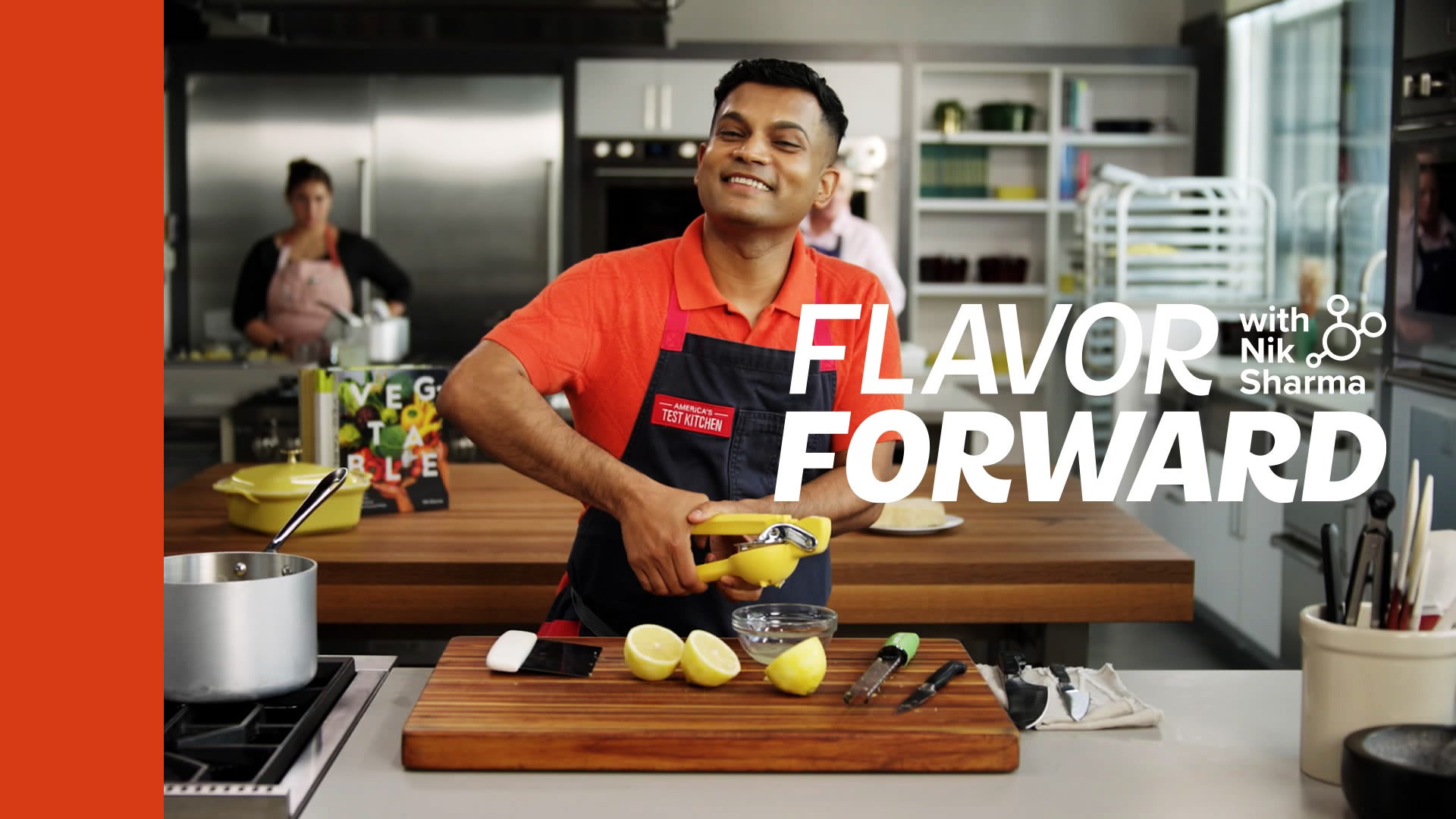
There was a time, back when I was still spending long days in a molecular biology lab, when silence felt endless. I’d wait for experiments to tick away on their own clocks and sometimes, to breathe, I’d sneak home for a break. That’s when I stumbled across America’s Test Kitchen (ATK) on PBS.
It felt like fate. Here were people who looked at cooking the way I looked at science: curious, nerdy, precise, a little obsessive about the “why.” They didn’t just make dinner, they asked questions, tested ideas, explained failures, and celebrated the wins. I was hooked. They were chasing truth through food, and I saw myself in that.
I never dared imagine that one day I’d walk through those same doors, not as a fan, but as part of the story.
After I left the lab for the apron, I wrote recipes, columns, and books for years, but television? That always slipped just out of reach. A few near-misses dangled in front of me, then disappeared, first the pandemic, then media mergers. One network even told me I looked too young to cook on TV (A compliment? Apparently not). After a while, I convinced myself that maybe it wasn’t meant to happen. Some dreams, I thought, are better left alone.
And then, out of nowhere, came ATK.
Earlier this year, as an editor-in-residence, I walked into the legendary test kitchen for the first time. The smell of roasting, the hum of conversation, the sound of pots clattering; it was like stepping into a universe I’d only watched from afar. The team welcomed me in, generous with their knowledge and wild with curiosity. Together, we geeked out over the myth of lemon pith bitterness, how instant mashed potatoes act like water sponges when added to meat, and how to fix problems in the kitchen. For me, someone who lives and breathes the science of flavor, it felt like holding the keys to the kingdom.
Every trip to Boston lit me up with possibility.
Then one day, I came home, opened my inbox, and nearly dropped my laptop. An email from Dan Souza: Would I be interested in hosting a show with America’s Test Kitchen? I’d just finished recording an episode of the In The Test Kitchen podcast, and the editors loved how it turned out.
You’d think after years of waiting, I would have screamed, but instead, I held my breath. So many false starts had made me cautious. But this time, it was real. Dan and the team weren’t offering a maybe—they were offering a chance to build something together. A show where I could finally share the things that matter most to me: flavor, science, and the thrill of discovering why.
For months, we wrote scripts (harder than any essay I’ve ever written), tested recipes, filmed long days in the studio, and shaped an idea into something I can only describe as a dream come true. And none of it would exist without Dan, Lan Lam, Matt Watson, Simon Savelyev, and the entire ATK team, who poured their creativity and humor into every single episode.
And now—it’s here. Flavor Forward.
Seven episodes. Seven deep dives into flavor and science, airing every Sunday at 12 pm EST/9 am PST on America’s Test Kitchen’s YouTube channel.
It’s bold, it’s nerdy, it’s fun. And it’s the show I once thought I’d never get to make.
Flavor Forward is my love letter to flavor and to the global pantry that enriches our kitchens. It’s about honoring traditions, celebrating science, and giving you the tools to feel fearless in the kitchen.
I can’t wait for you to see it. Thank you for being here, for rooting for me, and for letting me share this dream with you.
With gratitude and love,
Nik
I was recently reunited with something I miss very much – a loaded apple tree! Friends of mine who had a house in the French countryside had a tree that, come fall, had so many apples, the limbs threatened to break off. Not wanting to be an accomplice in apple-cide, I decided to do my part to save the tree, and the apples, and make Apple Jelly.
Ten years later, my friends sold their house, which ended my bounty of apples (and medlars.) So how happy was I when some other friends bought a house in Brittany, which had not one, not two…but four apple trees. Score!
The varieties were Reine de Reinette, Canada, and Boskop, which I found out when a concerned neighbor saw someone (me) swiping apples off the trees, and the ground, loading up sacks of them. I think he figured I was pilfering the pommes, but was reassured when I told him I was friends with the owner of the mini-orchard.
After talking with him a few minutes, I realized he was an expert on the apples and not only knew about the varieties of apples, but also what to do with them and nodded in approval when I told him I was going to make Apple Jelly. He was happy to help me fill some bags, which included green varieties, which are high in pectin and help the jelly set, and are more acidic than other apples, which make the jelly well-balanced and delicious. (Calvados, the famed apple brandy from Normany, use very acidic apples since the flavor is more pronounced once cooked.)
To make Apple Jelly, it’s probably a good idea to either a friend with an apple tree (with an explanation ready in case a neighbor comes by…) or get apples from a source where they might sell you apples that are dented or dinged, which are called pommes à cuire (cooking apples) in France, and are quite popular. At the markets, those apples are usually the first to get sold as people use the bargain beauties to make compotes and tarts with. And French bakers like to use a variety of apples in dessert, like Apple Cake, as the flavor is more interesting than if using just one variety.
In the end, I came home with over 50 pounds (23kg) of apples in all shapes, colors, and conditions. And all went to a good cause. This recipe uses a good deal of apples but makes a half-dozen jars, which is good if you’re anything like me and need to reward your friends, and perhaps a local apple expert, with a jar of jelly.
Related Recipes and Links
Ketchup fans will love this recipe. It offers a thick, dippable texture, with classic yet grown-up ketchup flavor. It tastes nicely balanced, but leans a little more savory than sweet. The recipe calls for a whole container of tomato paste—choose the best you can find for deep, rich tomato flavor.
Beyond the tomato paste, you’ll need balsamic vinegar for some sweetness and tang, dried spices for complex flavor (garlic powder, mustard powder, cinnamon and black pepper), salt to enhance the rest, and water to thin it out. That’s it! No corn syrup or added sugar here.
I always assumed that making ketchup would be too tricky, but I was wrong. This recipe is so easy to make. You can whisk it together by hand in just a few minutes. It tastes best after an hour’s rest.
Continue to the recipe...The post Homemade Ketchup appeared first on Cookie and Kate.
I’ll be at AXS design, one of my favorite shops in Paris, celebrating the release of Ready for Dessert on Sept 30th from 5:30 to 7pm.
AXS is filled with treasures, including French dinnerware, glasses and linens, and lots more. They were kind enough to lend me some of their beautiful items for the photos in book, so I’m thrilled they’re hosting the book launch and signing. Books will be available for purchase and I’ll be on hand to personalize them for you.
Thanks to Comté for providing samples of French cheese for the event.
See you there!
Thank you, , , , , and many others for tuning into my live video with ! Join me for my next live video in the app.
Get your copy of Hetty’s new book, Linger, HERE (for a limited time, Hetty is also providing a preorder gift if her book is ordered through some Indie bookstores). Congrats to Benjamin Adler for winning today’s giveaway of Linger (you’ll re…
Dear Friends,
I am back home after a whirlwind week in Boston, where I spent my days cooking at America’s Test Kitchen, learning a few new tricks from the chefs, and reminding myself how much fun it is to be surrounded by people who love food as much as I do. My friend and fellow cookbook author Rick Martínez even dropped by the studio, which made the week feel extra special.
Boston is growing on me. The fall foliage has officially gone full drama, with trees in reds and golds that look like they belong on a movie set. Coming from Los Angeles, where autumn mostly means I do not need sunscreen in the morning (you should still apply it), it is both thrilling and slightly confusing to need an actual jacket.
Now that I am home, my big plan for the weekend is to get back into the garden. The contractor finally signed off on the irrigation system, which means I have the green light to plant. I have seedlings lined up like eager contestants waiting to enter the stage, and I am itching to get them in the beds before they riot.
All this talk of vegetables feels like the perfect moment to share a cookbook I have been looking forward to, Linger by Hetty McKinnon. Fall always kicks off cookbook season with energy. I have two events that I am especially excited about this week.
EVENT ALERT: I’ll be live with author Hetty McKinnon TODAY at 10 am PST / 1 pm EST here on Substack to talk about her new cookbook (there’s a recipe in this week’s newsletter from this lovely book). [Substack Live Here]
EVENT ALERT: I’ll be interviewing author and fellow ATK Editor-in-Residence, Aran Goyoaga, about her new The Art of Gluten-Free Baking, at Now Serving LA on September 25 [Tickets Here]
Finally, don’t forget to save September 28 on your calendars. [Hint below]
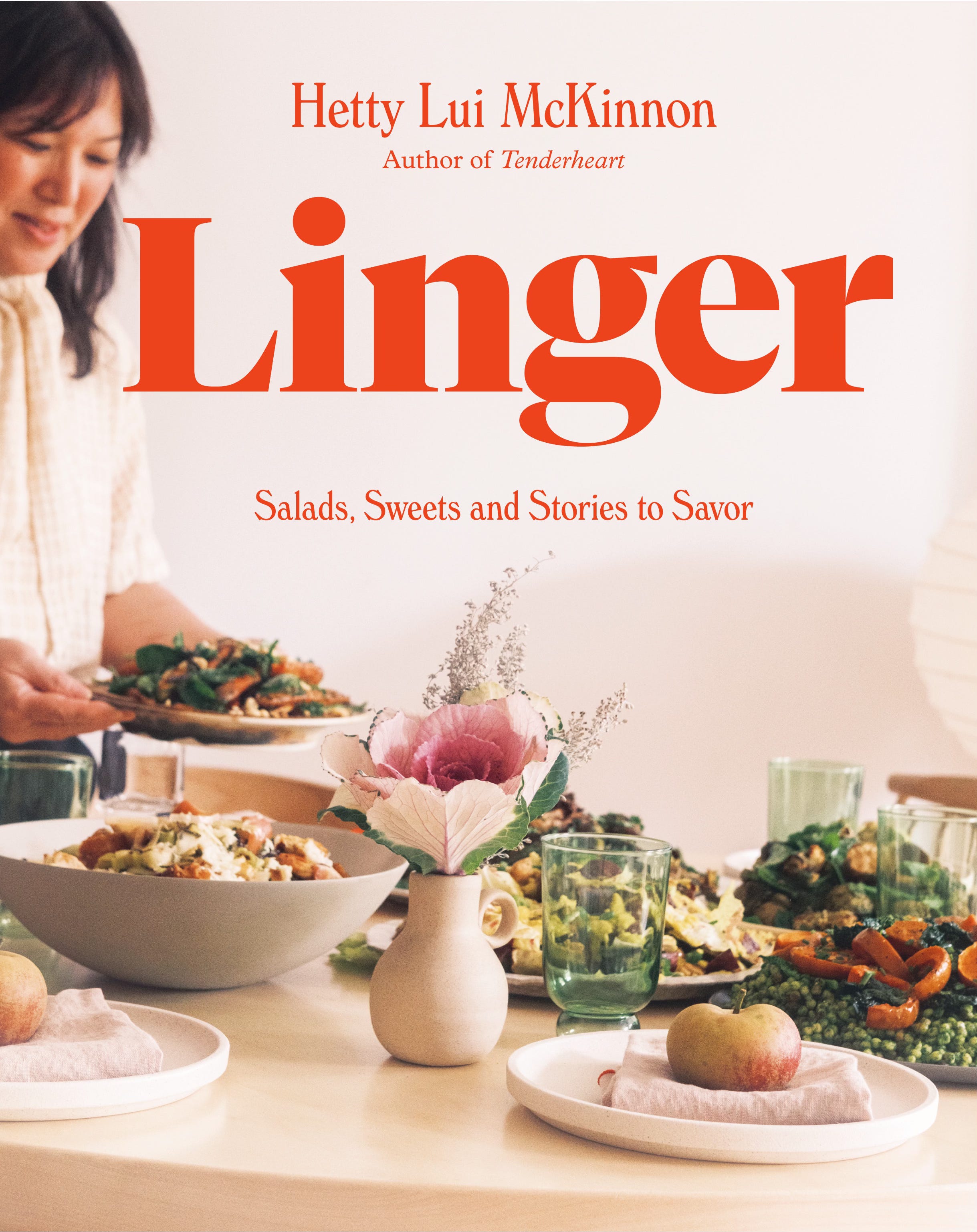
Every once in a while, a cookbook arrives that feels less like a manual and more like an invitation. ’s Linger: Salads, Sweets and Stories to Savor (Amazon/Bookshop) is precisely that kind of book. From the moment you open it, you can sense her generosity, her warmth, and her ability to take everyday ingredients and turn them into food that makes you want to gather, sit down, and stay at the table a little longer.
Hetty has always been a champion of vegetables, and in Linger she shows just how thrilling, comforting, and deeply satisfying they can be. The recipes travel across borders, from cauliflower buried under a mountain of dill (this week’s featured recipe), to salads brimming with seasonal fruit, to noodle bowls that feel like home in every bite. Each dish carries her unmistakable voice: thoughtful, soulful, and always centered on connection.
What makes this book truly shine is how it balances the celebratory with the everyday. These recipes are unfussy, and you can make them on a weeknight with what is in the fridge, and others that feel worthy of a dinner party centerpiece. And woven throughout are Hetty’s stories, tender reflections that remind us cooking is not just about technique, but about memory, identity, and care.
Reading Linger feels like being in the kitchen with a friend who knows exactly when to hand you a beverage, exactly how to season that salad, and exactly why it all matters. It is a cookbook that nourishes far beyond the plate.
If you are looking for a book that will expand the way you think about vegetables, inspire you to cook more often, and remind you why we gather at the table, Linger deserves a permanent spot in your kitchen.
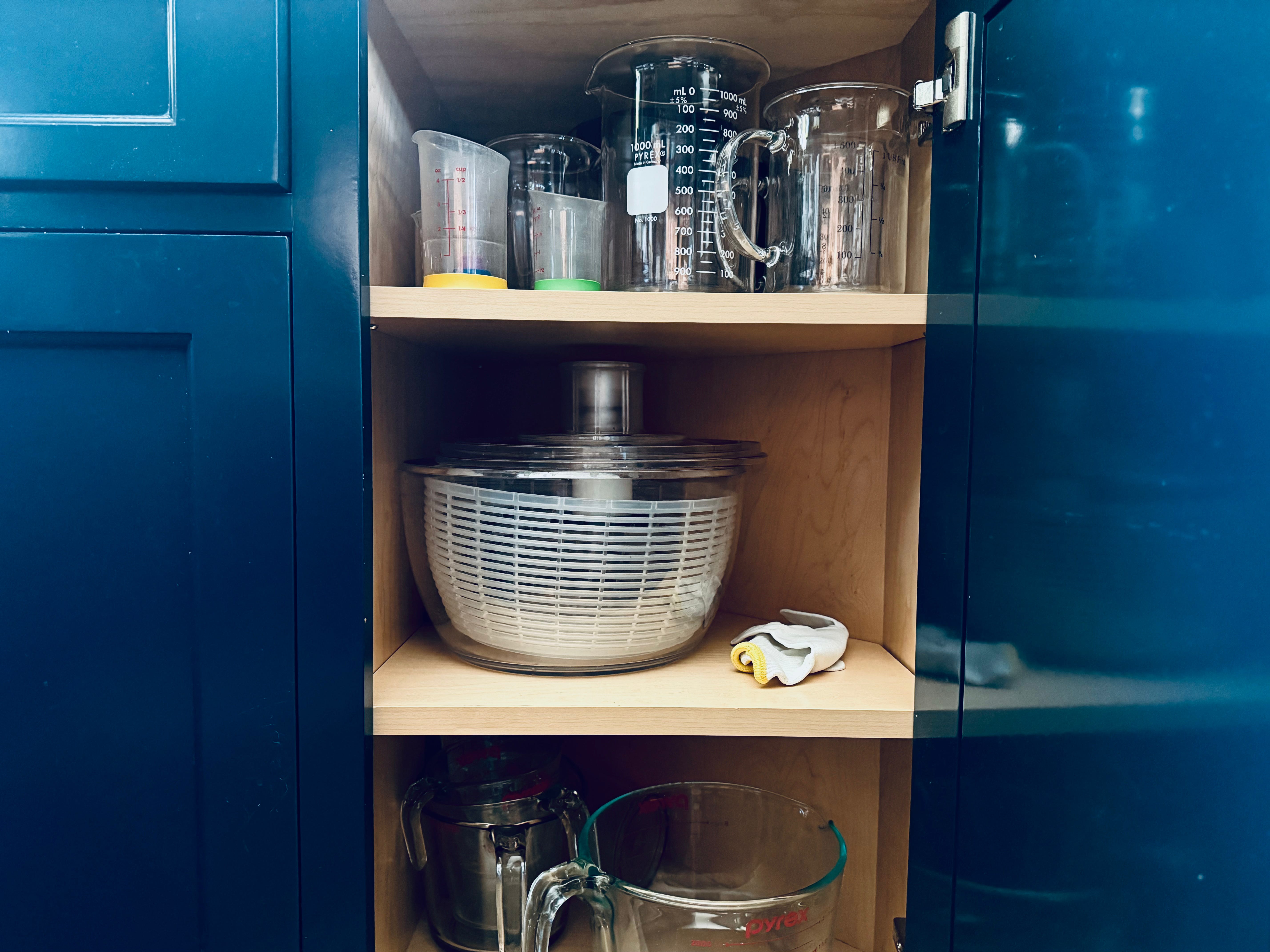
Since we’re talking about vegetables, I’d be remiss if I kept one of my favorite tools secret. Of all the tools in my kitchen, the one that surprises people when I rave about it is my salad spinner. I use the OXO Good Grips Salad Spinner, and I cannot imagine prepping greens without it. For years, I thought a spinner was unnecessary until I realized how much better salads taste when the leaves are dehydrated and look like they’re gasping for life. Dressing clings instead of slipping off, and the greens stay crisper in the fridge. The OXO Good Grips Salad Spinner version is sturdy, simple to use, and easy to clean. The push-button pump makes quick work of spinning, and the bowl doubles nicely as a serving dish. I use it not just for lettuce and herbs but also for rinsing and drying berries, leeks, and even beans after cooking. It is one of those tools that earns its keep on the shelf, and every time I pull it out, I am glad I invested in it.
‘s cauliflower with dill has been on repeat in my kitchen lately. It’s one of those deceptively simple dishes that’s elevated by a single herb — dill — which carries dozens of aroma molecules (like carvone and limonene) that give it that bright, anise-like lift. A dish like this is a magnificent entry point into the fall season.
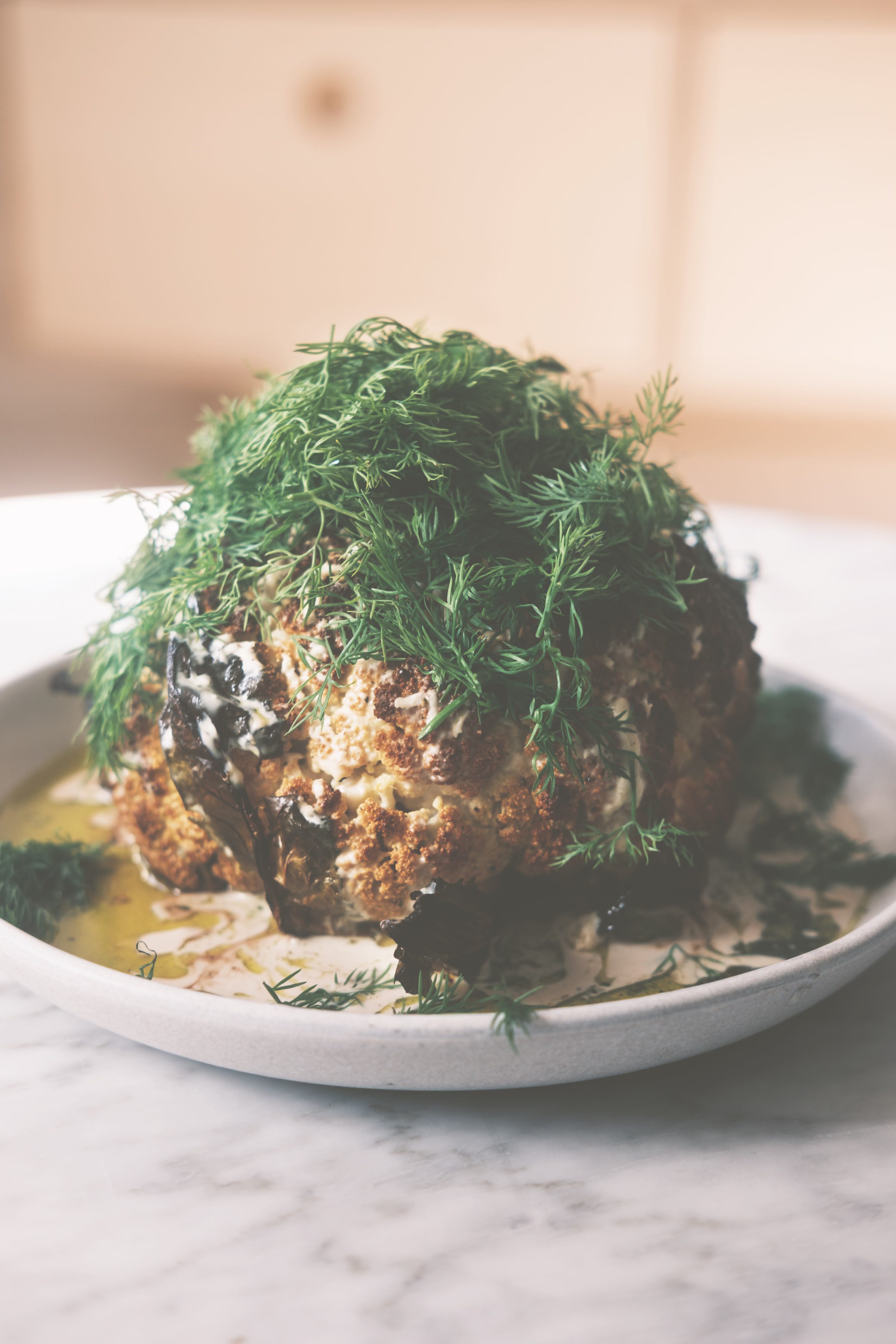
Get Hetty's Cauliflower Recipe Here
If this recipe resonates with you, I highly recommend picking up Hetty Lui McKinnon’s Linger (Amazon/Bookshop).
Let’s linger together this Sunday.
I’ll be going live with Hetty McKinnon to dive into her brand-new book, Linger — a celebration of food meant to be savored slowly, surrounded by stories, friends, and conversation.
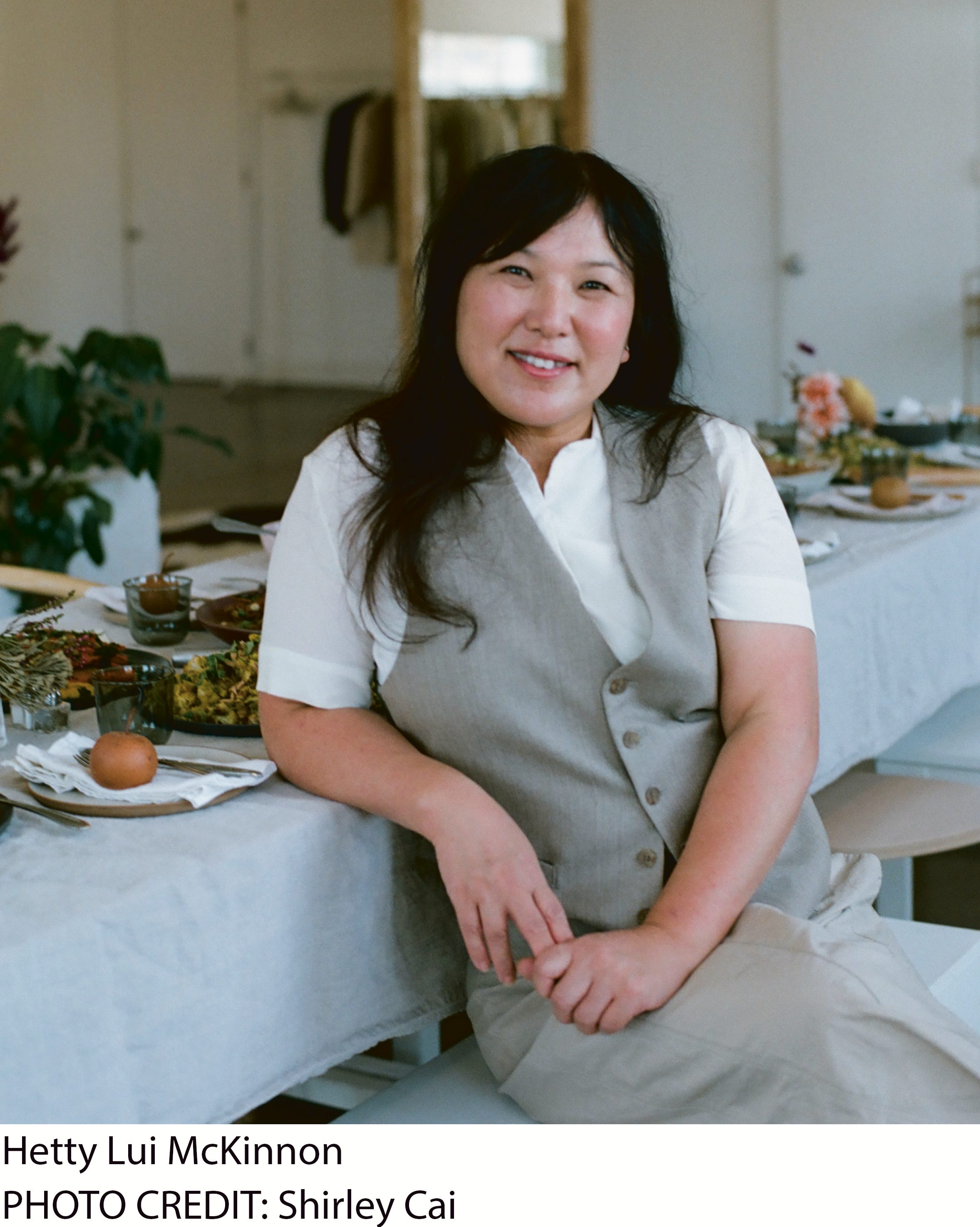
Instead of a formal interview, think of this as a relaxed Sunday gathering. We’ll chat about what inspired Linger, how Hetty thinks about salads and sweets as more than recipes, and the ways her cooking brings people together.
When: Sunday, Sept 21 at 1 pm ET
Where: Listen on the Substack app (iOS/Android) or in your browser here
Reminder: App users will get a push notification when we start — but I’ll also send an email before we go live.
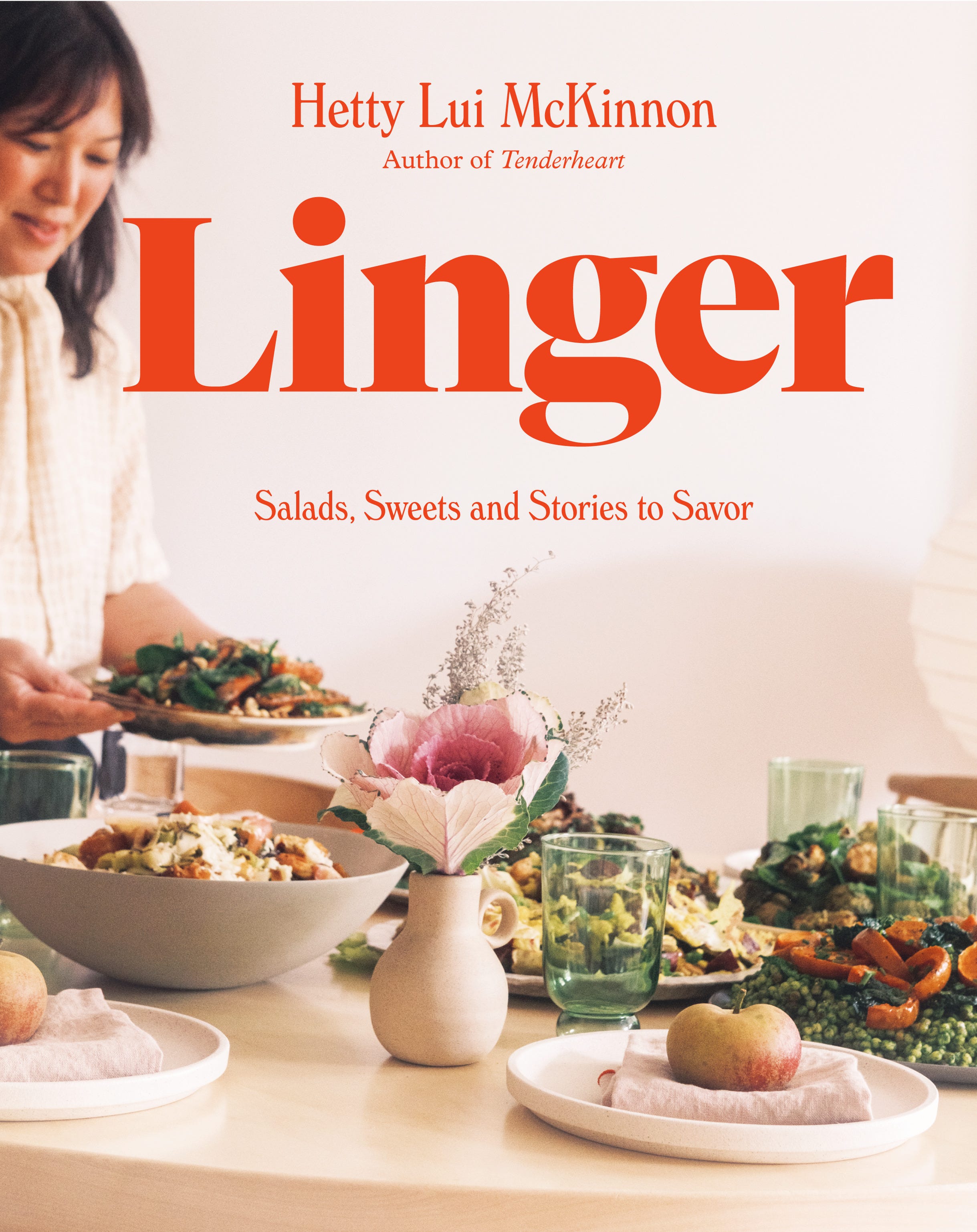
Bring your questions, curiosity, and maybe even your lunch — this is meant to feel like you’re right at the table with us. Plus, there’ll be a book giveaway during the chat.
Click here a few minutes before 1 pm ET on Sunday to join in.
Can’t wait to see you there,
— Nik
Hello from Boston!
This week, I’m back at America’s Test Kitchen, where some exciting new projects are quietly coming together. There’s a small hint hidden in this newsletter—see if you catch it. September has a way of sneaking in those seasonal shifts, and landing in Boston straight from L.A., the change feels even sharper. The air is already cooler than I imagined… I really should have packed a sweater or two. LA on the other hand is still wrapped in a hot summer blanket.
On my weekend break in Boston, I stopped by Sofra Bakery to see my friend Chef Maura Kilpatrick. Chef Andy, who runs their pastry, shared the secrets to their beloved ma’amoul cookies (their cookbook is every bit as spectacular). I miss being in the bakery; moments like these always make me happy.
It’s time for the Best New Restaurant Lists - [Bon Appetit] [New York Times]. Have you been to any of these?
How to Get A Cookbook Deal - Hint - Having huge audiences on TikTok and Instagram are no longer helpful (they never were) - [Best Food Blog]
I already do this with mango peels and the pit, which is why I loved reading this Before You Throw Away Those Fruit Scraps [Punch]
EVENT ALERT: I’ll be interviewing author and fellow ATK Editor-in-Residence, Aran Goyoaga, at Now Serving LA on September 25 [Tickets Here]
This week, I’m here to equip you with all the science-backed tricks to turn those ordinary salads into flavor-forward masterpieces. Whether you still crave summer salad vibes or are itching to be inspired by fall, I have you covered. In this paid subscriber newsletter, you will…
Get my tips for storing salads to last and why the leaf cell wall structure matters.
The science behind maximizing flavor in different leafy greens-- including how heat transforms arugula and why spinach loves a calcium-rich partner
Get my recipe for Butter Lettuce Salad with Crispy Caper Breadcrumbs
If you are tired of opening the fridge to find yesterday’s salad limp and watery, you are not alone. I have ruined more than a few good salads this way. Over time, I have picked up tricks that keep them fresher for longer, and there is a little history and science behind why they work.
The word “salad” originates from the Latin “sal,” meaning salt. The ancient Romans often ate raw vegetables dressed with salty brine, oil, or vinegar — one of the earliest forms of vinaigrette. In contrast, in India and many Asian countries, oil doesn’t even enter the equation of the dressing; it’s simpler.
In Renaissance Europe, raw greens were sometimes viewed with suspicion, and many people blanched them before eating. Fast forward a few centuries, and we now take for granted the joy of a crisp, raw salad. Iceberg lettuce, for example, was bred in the US in the late 19th century specifically for transport. It was shipped packed in ice, which is how it got its name.
The challenge with salads has always been freshness. Leaves are more than 90 percent water, and once picked, they lose moisture through evaporation and respiration. This is why they go limp so quickly. Storing them in a cool, humid environment slows the process, which is why refrigeration helps. But the real trick is how you store them.
Let’s celebrate the cooler weather with a stack of warm apple pancakes! These apple-flavored pancakes are the perfect autumnal breakfast treat. They’re a simple weekend breakfast project that keeps well for quick weekday mornings (they freeze and thaw well, too).
This apple pancake recipe is made from scratch with freshly grated apple, which is enhanced by a touch of ground cinnamon. Tart apples like Honeycrisp or Granny Smith offer the most impactful flavor. You’ll see that I used Honeycrisp apples in this batch—they’re our family’s favorite, and they yield terrific pancakes.
You might already have everything you need to make these pancakes in your pantry. Let’s make some.
Continue to the recipe...The post Apple Pancakes appeared first on Cookie and Kate.
First, congrats to the winners of the Jeni’s Ice Cream giveaway! (Katelyn from Seattle, Wendy from McLean, Molly from Palm Desert, Dan from Raleigh, Lisa Marie from Huntley). Be on the lookout for a shipment of Jeni’s Fall Collection!
I almost have an edible garden. It has been a long project in the making, and while there are still a few things left to finish, most of the big tasks are finally done. Within hours of planting, the space began to come alive again. Bees, butterflies, and dragonflies appeared, and soon after, hummingbirds and other birds followed.
I have not yet planted all the fruits and vegetables I want to grow. For now, I am giving the soil and young plants a few months to settle in and recover from the shock of transplanting, and I am waiting for the weather to cool down. I did add two new trees that I am especially excited about: a sanshoo (Sichuan peppercorn) and a finger lime.
It is also the first month of fall, even though summer seems determined to hang on tightly. The days are still hot here, but I am already thinking about the cooler months ahead, the flavors they bring, and what I want to grow in the garden next.
Alongside all this, I have been busy with the artwork and photography for my next book. It is exciting to watch the manuscript shift from black-and-white Word pages into something colorful and alive in design.
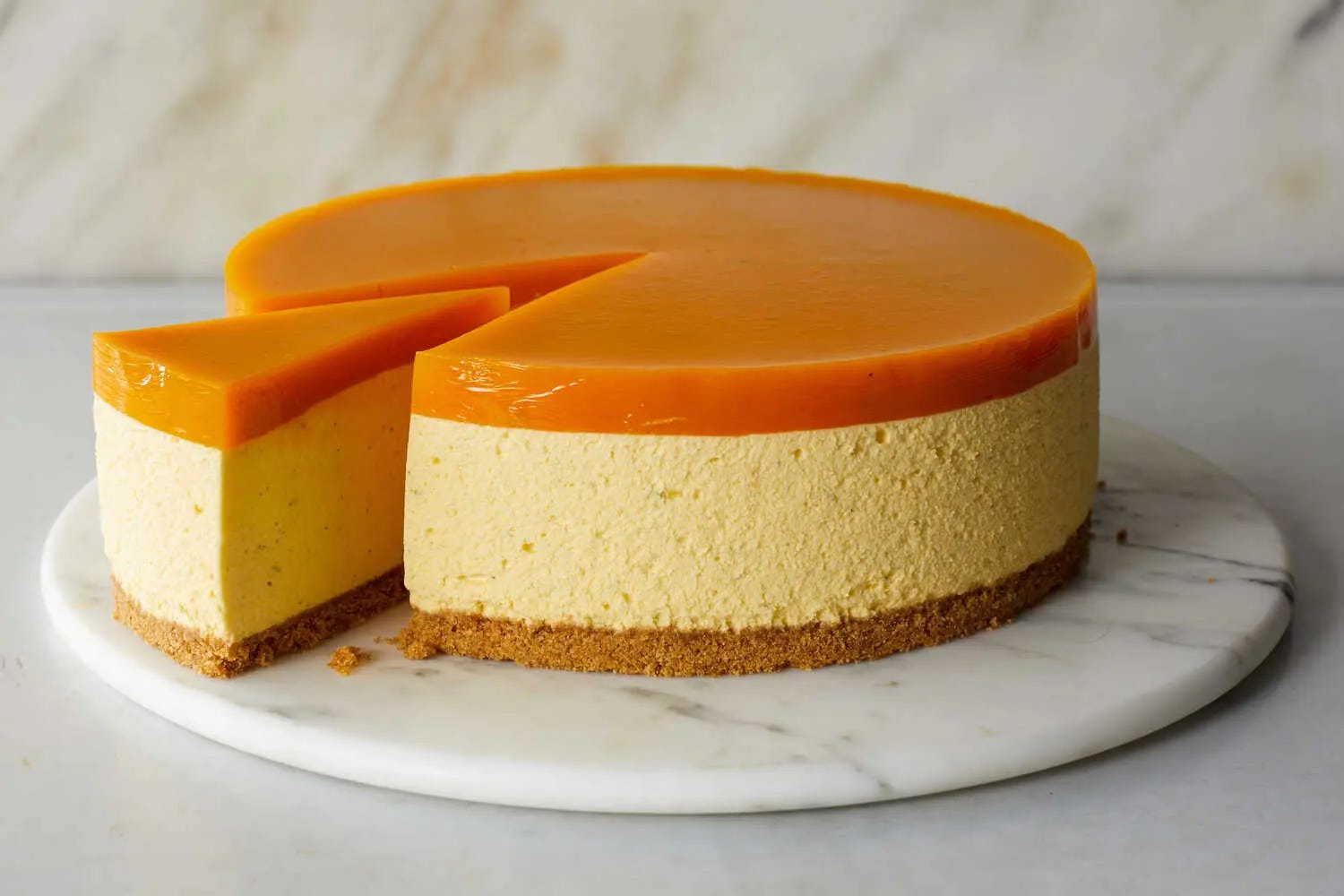
Because it is September, I have pulled together a digest of recipes to share with you this month. They reflect the season as it changes, that in-between moment when summer produce is still here but fall is on the horizon. There’s my No-Bake Mango-Lime Cheese Cake from the NYT, among others, that is a worthy endeavor in this heat!
One of the new projects I’ve taken on as Editor-in-Residence at America’s Test Kitchen is co-hosting a few episodes of the In the Test Kitchen show with Dan Souza. My first episode was with one of my favorite people, , and it was such a fun way to kick things off. Check it out and learn more about her cookbook, Dorie’s Anytime Cakes.
This week, I’m honored to share recipes from one of the world’s most respected culinary voices: Tony Tan. Born in Malaysia and based in Australia, Tony has spent his life exploring and teaching the flavors of Asia, becoming a bridge between cultures through food.
I met Tony in Los Angeles a little over a year ago, and right away I was struck by his charm, humor, and warmth. Over steaming baskets of dim sum, we compared notes on cookbooks and restaurants, how different and yet how similar America and Australia can be when it comes to food. What stood out most was Tony’s incredible depth of knowledge about Asian cooking. He has this effortless way of weaving history, technique, and personal experience into conversation, and it was an absolute breath of fresh air.
I’ve always had a soft spot for Australia (and New Zealand, too). My mom’s family lives there, and with every visit, I find myself falling more in love, not just with the landscapes, but with the people, the food, and the vibrant culture that surrounds the table. So anytime I get the chance to feature an Australian chef or cookbook here, I get a little extra excited. And Tony is the perfect example of why
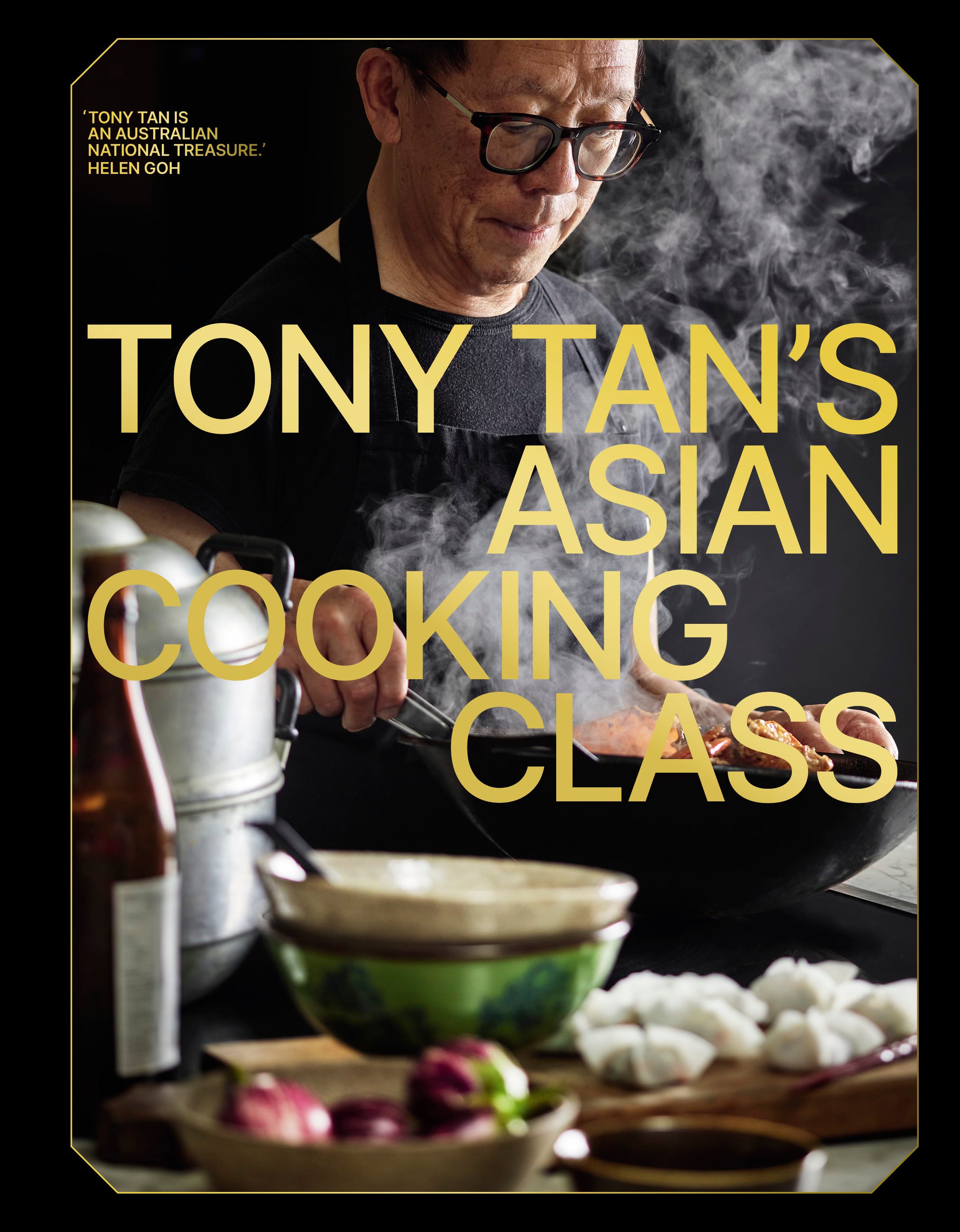
His influence is remarkable. Tony has appeared on MasterChef Australia and SBS Food, introducing countless viewers to the depth and beauty of Chinese, Malaysian, and Southeast Asian cuisines. His Melbourne cooking school became a legendary institution, shaping Australia’s food culture and nurturing generations of chefs and passionate home cooks.
Tony’s books—including the award-winning Hong Kong Food City and his latest, Asian Cooking Class—have cemented his reputation as both a teacher and storyteller. His work has earned critical acclaim and industry awards, and he is widely regarded as one of Australia’s most important culinary educators and a global authority on Asian cuisine.
To celebrate the release of Asian Cooking Class (Amazon/Bookshop), I’m giving you free access to two of its standout recipes: his Beef Rendang, a slow-cooked masterpiece from West Sumatra, and his Pineapple Fried Rice (Khao Pad Sapparot), a vibrant Thai classic that’s equal parts festive and delicious.
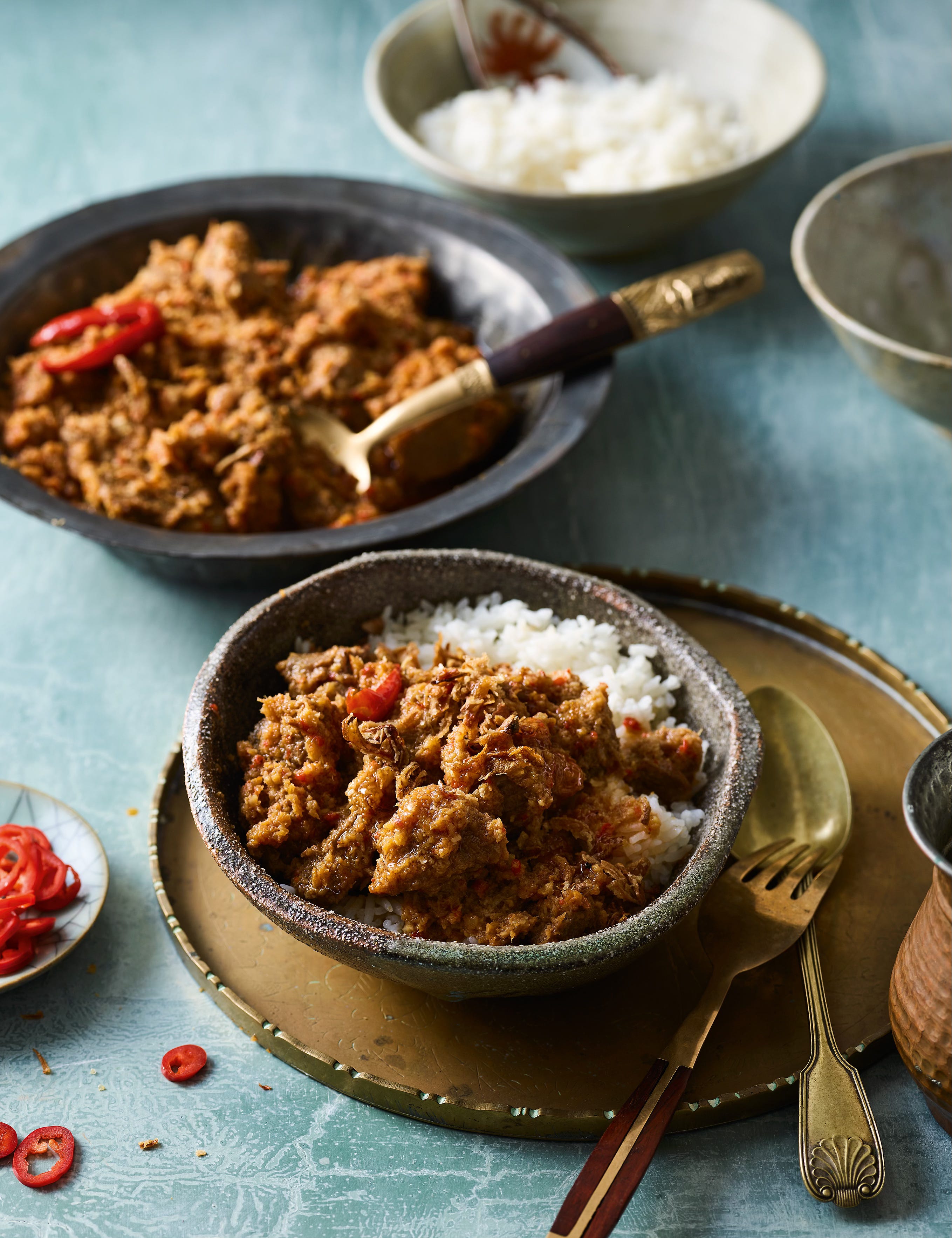
Both dishes reflect Tony’s rare gift: weaving history, tradition, and technique into food that feels timeless and approachable. Cooking them at home is not only a chance to enjoy two extraordinary recipes, but also to connect with the culinary vision of a chef whose work continues to shape how we cook, eat, and understand Asian food in Australia and around the world.
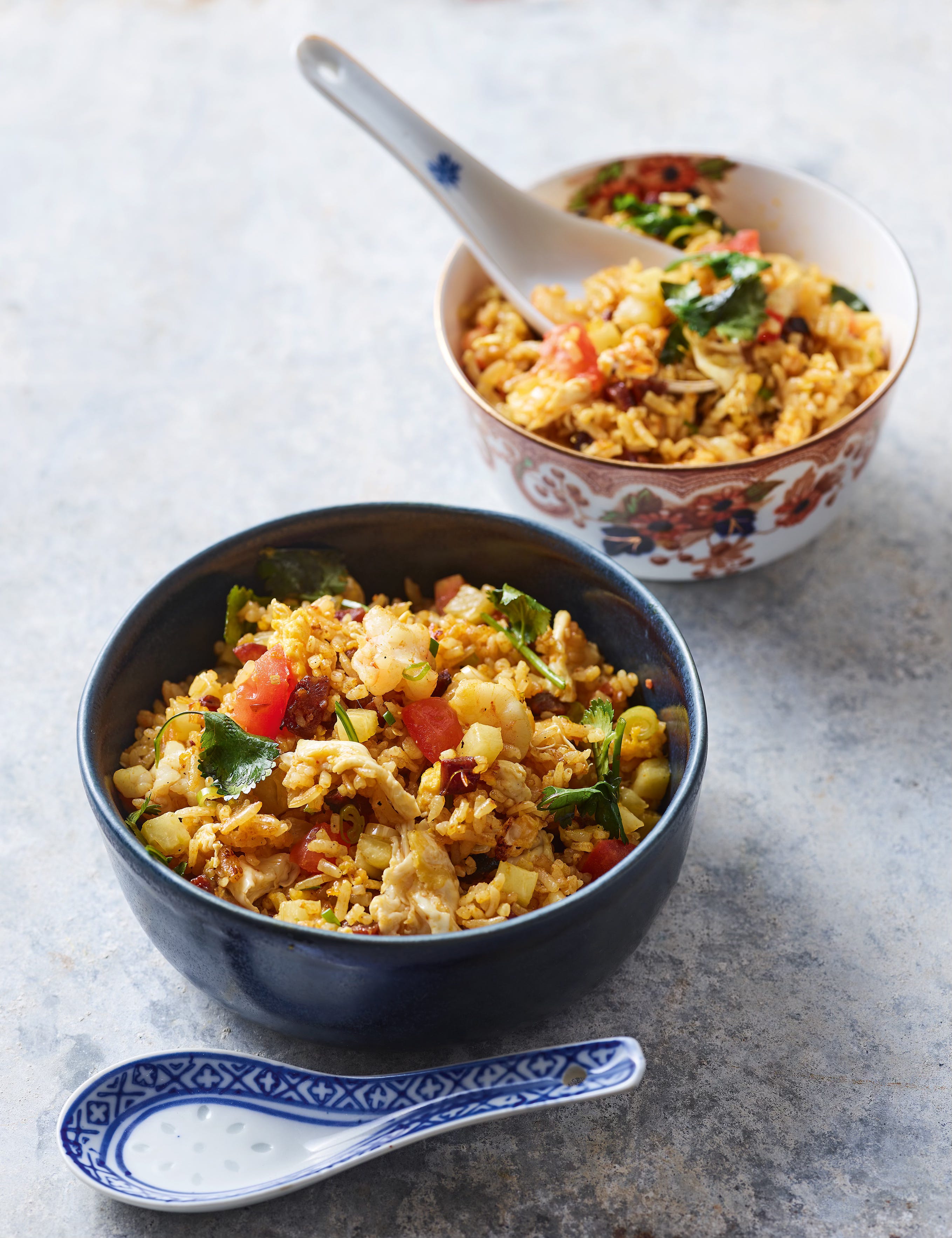
Bring Tony Tan’s Kitchen to Yours
If you loved these recipes, you’ll find so much more in Tony’s brilliant new book, Asian Cooking Class. It’s packed with the flavors, stories, and techniques that have made him one of Australia’s most important culinary voices.
Get your copy of Asian Cooking Class (Amazon/Bookshop) and support Tony’s incredible work. It’s a book you’ll cook from again and again.
It starts the way so many things in summer do, with a flash of sweetness that is gone almost before you have tasted it. Sweet corn does this to us every year: one moment, the ears are stacked high at the market, their silks fraying like a hundred careless ponytails; the next, the season is over, the sugars turned to starch, and we are left wishing we had bought more, eaten more, grilled more.
In this paid subscriber newsletter, you will…
Learn why temperature matters when cooking corn, and how I cook corn in hot but not boiling water
Get my recipe for Roasted Paneer Sweet Corn Salad
Discover a mistake that’s easy to make with cornflour!
Corn, or maize, has been with us for at least 9,000 years, originating in southern Mexico, where early farmers domesticated it from a wild grass called teosinte. That grass had just a handful of kernels hidden in a tough shell. Over centuries of cultivation and selection, the kernels grew fat and tender, the plants taller, the cobs larger. By the time corn traveled north into the Americas and east across the oceans, it had become a staple grain that could feed villages and empires.
Sweet corn, the kind we heap with butter today, is a much younger arrival. Mutations in the corn plant reduced the production of starch in the kernels, resulting in more sugars being left behind. Farmers noticed the sweeter taste and began selecting for it. In the nineteenth century, sweet corn started to appear in seed catalogs in the United States. With the advent of refrigeration and faster transportation, it made its way to markets and kitchens around the world.
Today, the sweetness of your corn comes down to genes with names like sugary1 (su1), sugar-enhanced (se), and shrunken2 (sh2). The su1 mutation was the first known genetic change that created sweet corn by slowing starch production. Later, the sh2 mutation produced what we now call supersweet corn, with three to four times the sugar content of standard sweet corn and a slower rate of sugar loss after harvest. It is the reason modern sweet corn can travel from farm to market without losing all its sweetness on the way.
However, even with these genes, enzymes continue to function. As soon as corn is picked, the sugars begin to turn into starch. Chilling slows the reaction, so the advice remains the same: eat it as soon as you can, and if you cannot, keep it cold.
When corn meets heat, chemistry takes over. High heat triggers caramelization, breaking sugars into toasty, bittersweet compounds. It also fuels the Maillard reaction, the meeting of amino acids and sugars that gives roasted corn its nutty, savory notes. This is why charred corn tastes so different from corn boiled in water. Both are delicious. One is bright and sugary, the other smoky and complex. But too much heat could spell trouble!
Friends,
In honor of my ice cream newsletter, I’ve got something sweet for you this week, and not just a recipe. Jeni’s Ice Cream has partnered with me to bring a special giveaway to The Flavor Files community. Five lucky readers will each win a shipment of Jeni’s five fall flavors, handpicked for their bold, layered flavors (you know that’s my thing!).
Here’s what’s on the menu:
Caramel Apple Crumble – Crisp apple ice cream swirled with dark caramel sauce and brown sugar–oat crumble.
Burnt Orange Dreamsicle – Juicy orange ice cream with vanilla custard and a drizzle of burnt orange caramel.
Miso Butterscotch Brownie – Dark chocolate fudge brownies folded into a buttery, toasted sugar cream with a hint of savory miso.
Bay Leaf Cheesecake – A refreshing, herbaceous twist on cream cheese ice cream with a graham cracker swirl.
Cookies in Cream – Scratch-made darkest chocolate cookies with flecks of white chocolate in vanilla-scented cream.

All readers (free + paid): Enter by clicking the link below and sharing your favorite ice cream memory.
Paid subscribers get an edge: You’ll receive FIVE entries instead of one, increasing your chances to win. Plus one winner is guaranteed to be from my paid audience!
Winners will be selected at random, and each winner will receive a shipment of the five fall flavors. Five winners, five flavors!
I’ve long admired how Jeni’s layers flavor—balancing acidity, sweetness, bitterness, even umami; just like we do in the kitchen. Think of the miso in butterscotch or the bay leaf in cheesecake: these are flavor moves straight from the cook’s playbook.
This giveaway is my way of sharing that inspiration with you.
Giveaway opens: Today
Giveaway closes: Tuesday, September 3rd (11:59 pm EST)
Winners announced: In my next newsletter
This one’s open to readers in the U.S. only (for shipping reasons).
Thank you for being here, especially to those of you who support The Flavor Files as paid subscribers. Your support allows me to keep sharing recipes, science, and the flavors I love. And for this giveaway, it also gives you a little extra advantage.
Good luck, and may your freezer be full of bold flavors!
Nik

These chocolate chip muffins are divine—they’re fluffy, tender and studded throughout with chocolate chips. They’re our three-year-old daughter’s current favorite muffin in my muffin repertoire, and I understand why! She loves dark chocolate as much as I do, so I can vouch that these muffins delight kids and adults alike.
These muffins follow the same formula as my other popular “healthy” muffin recipes, but you won’t guess it upon your first (or last) bite. They’re made with whole wheat flour if you wish, and they’re sweetened with honey instead of plain sugar, which makes them extra delicious. Greek yogurt offers a subtle sour cream-like tang that makes these taste like bakery-style muffins, while providing some extra protein.
If you’re a fan of my popular banana muffins or blueberry muffins, you must try this recipe!
Continue to the recipe...The post Chocolate Chip Muffins appeared first on Cookie and Kate.
